
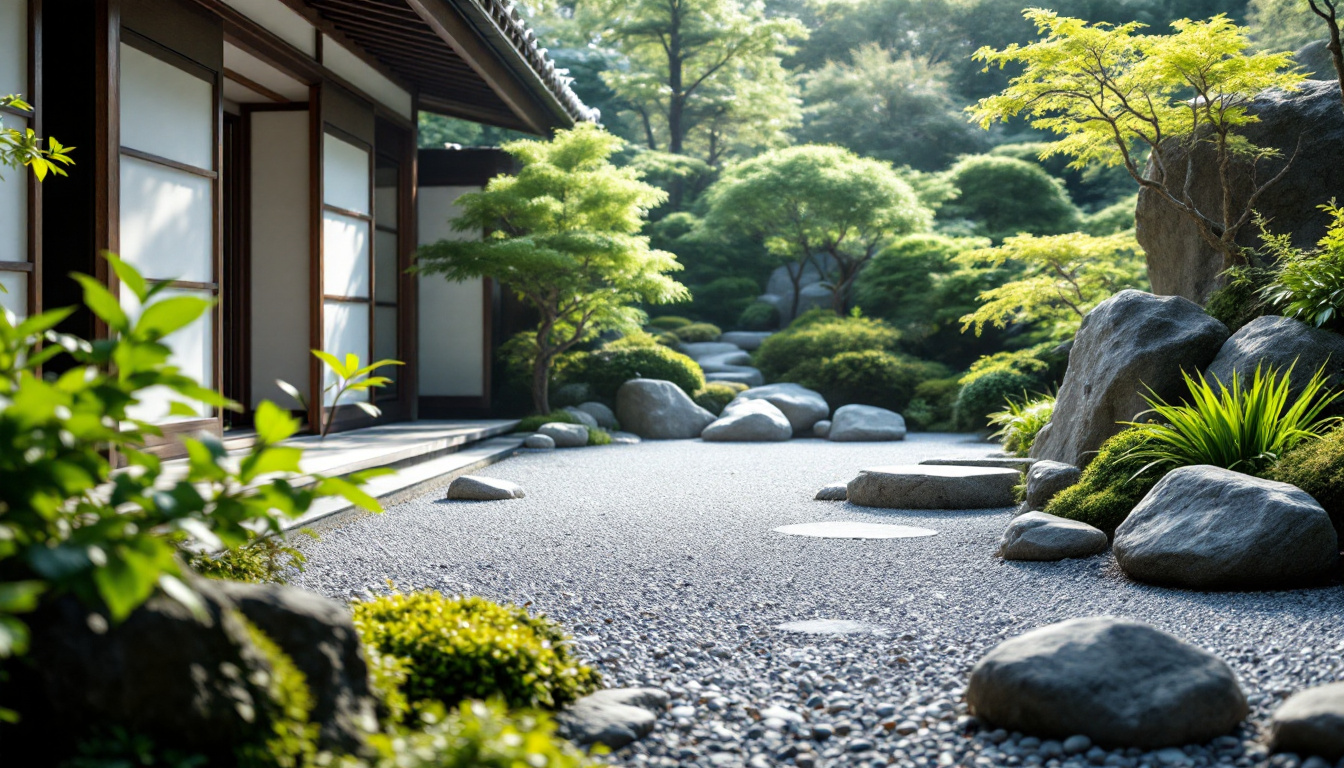
Japan, a country rich in history, culture, and natural beauty, offers a unique travel experience that is both enlightening and invigorating. One of the most serene and tranquil experiences you can have while traveling in Japan is visiting a Zen garden. These gardens, also known as Japanese rock gardens, are a testament to the country’s deep-rooted Buddhist heritage and the Japanese aesthetic of wabi-sabi, which finds beauty in imperfection and transience.
Through this glossary entry, we will delve into the world of Zen gardens, exploring their history, significance, design elements, and the most famous Zen gardens in Japan. We will also provide practical information on how to visit these gardens and what to expect during your visit. So, let’s embark on this journey of discovery and find out why Zen gardens are a must-visit destination when traveling in Japan.
Understanding Zen Gardens
Zen gardens, also known as karesansui (dry landscape) gardens, are a unique form of Japanese garden that uses rocks, gravel, and sand to create miniature landscapes. These gardens are designed to facilitate meditation and contemplation, reflecting the Zen Buddhist principles of simplicity, tranquility, and naturalness.
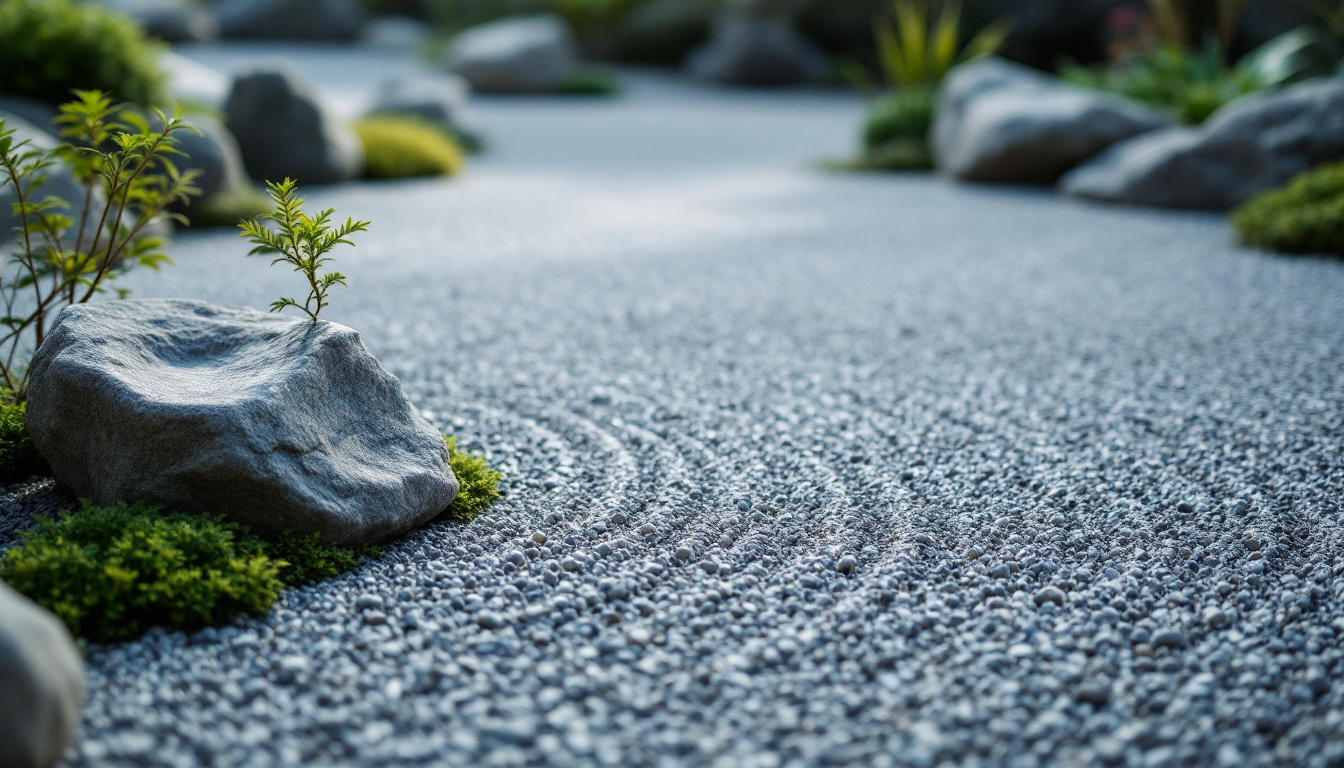
The main elements of a Zen garden – rocks, gravel, and sand – are carefully arranged to represent different aspects of nature. Rocks are often used to symbolize mountains or islands, while gravel and sand can represent water or empty space. The raked patterns in the gravel or sand can symbolize waves, rivers, or other water features.
History of Zen Gardens
The concept of Zen gardens originated in Japan during the Heian period (794-1185), influenced by Chinese landscape painting and the Zen Buddhist philosophy. The first Zen gardens were created at temples and were used as a tool for meditation and teaching Zen principles.
Over time, the design of Zen gardens evolved, reflecting changes in religious beliefs, aesthetic preferences, and social conditions. Despite these changes, the core principles of Zen gardens – simplicity, tranquility, and naturalness – have remained unchanged, making them a timeless symbol of Japanese culture and spirituality.
Significance of Zen Gardens
Zen gardens are more than just beautiful landscapes; they are a form of spiritual art that embodies the Zen Buddhist philosophy. The minimalist design of these gardens encourages introspection and meditation, helping visitors to achieve a state of Zen, or inner peace.
Each element in a Zen garden has a symbolic meaning. For example, the rocks represent the enduring nature of reality, while the raked gravel or sand symbolizes the ever-changing nature of life. By contemplating these elements, visitors can gain insights into the nature of existence and the Buddhist concept of impermanence.
Design Elements of Zen Gardens
The design of a Zen garden is characterized by its simplicity and naturalness. The main elements – rocks, gravel, and sand – are arranged in a way that creates a sense of balance and harmony. The absence of water and the use of minimal plant life are other distinctive features of Zen gardens.
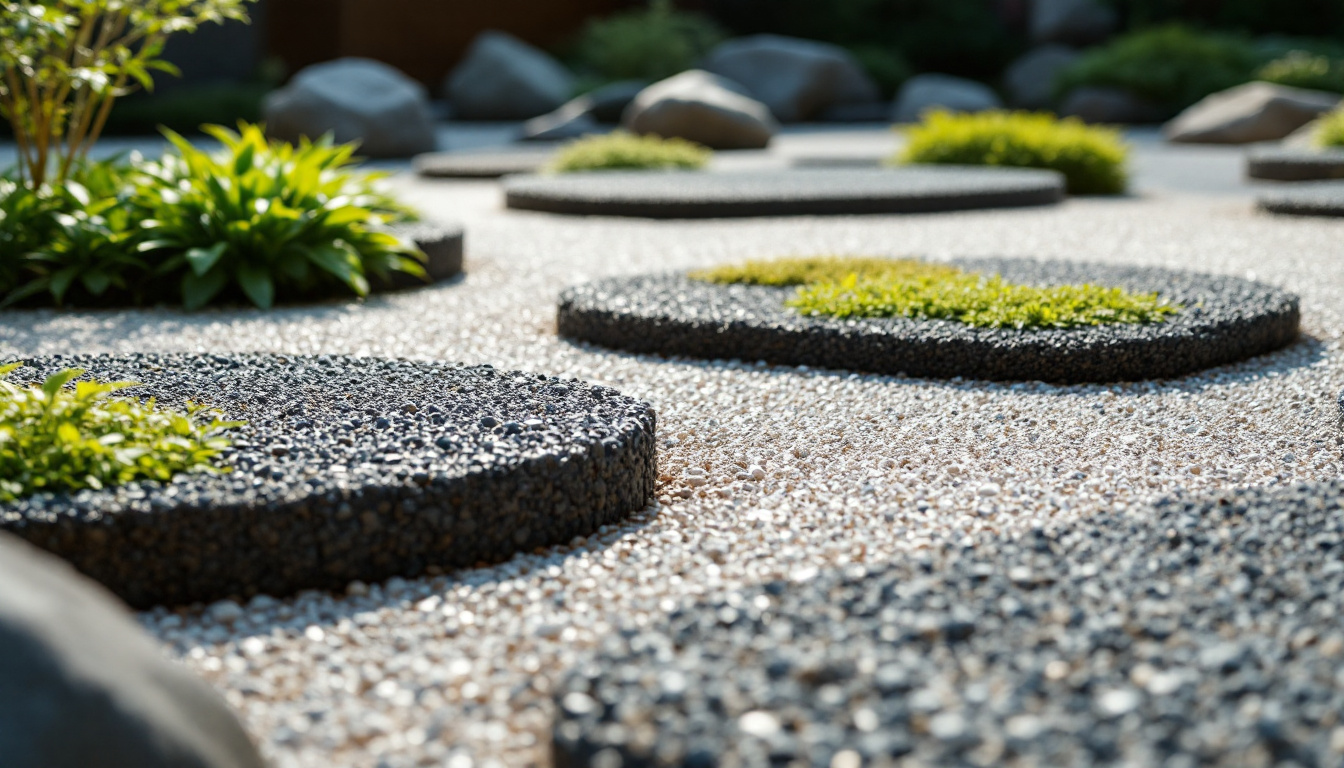
Despite their apparent simplicity, Zen gardens are meticulously designed and maintained. The placement of rocks, the raking of gravel, and the pruning of plants are all done with great care and precision, reflecting the Japanese aesthetic of wabi-sabi, which values simplicity, imperfection, and transience.
Rocks
Rocks are the main feature of a Zen garden. They are carefully selected for their shape, color, and texture, and are arranged in groups to represent mountains, islands, or other natural features. The arrangement of rocks is a crucial aspect of Zen garden design, as it creates the overall structure and balance of the garden.
The number of rocks used in a group is also significant. Odd numbers are preferred, as they are considered more natural and harmonious. The most common arrangement is a triad, which represents the Buddhist concept of the Three Jewels – the Buddha, the Dharma (teachings), and the Sangha (community).
Gravel and Sand
Gravel and sand are used to represent water or empty space in a Zen garden. They are raked into patterns that can symbolize waves, rivers, or other water features. The act of raking the gravel or sand is a form of meditation, helping to calm the mind and focus the attention.
The color of the gravel or sand is also important. White is the most common color, as it symbolizes purity and emptiness. However, other colors can be used to create different moods or to represent different aspects of nature.
Visiting Zen Gardens in Japan
Visiting a Zen garden in Japan is a unique and enriching experience. These gardens offer a tranquil retreat from the hustle and bustle of city life, providing a space for quiet reflection and contemplation. Whether you’re a seasoned traveler or a first-time visitor to Japan, a visit to a Zen garden is a must.
When visiting a Zen garden, it’s important to respect the tranquility of the space. Keep your voice low, avoid disturbing the rocks or gravel, and take the time to appreciate the beauty and symbolism of the garden. Remember, a Zen garden is not just a place to see, but a place to experience.
Best Time to Visit
The best time to visit a Zen garden in Japan depends on what you want to experience. Each season brings its own beauty and charm to these gardens. Spring is a popular time to visit, as the gardens are adorned with cherry blossoms and other spring flowers. Summer offers lush greenery, while autumn brings vibrant fall colors. Winter, with its snow-covered landscapes, offers a serene and magical experience.
Regardless of the season, it’s recommended to visit early in the morning or late in the afternoon, when the light is softer and the gardens are less crowded. This will allow you to fully appreciate the beauty and tranquility of the garden.
Etiquette
When visiting a Zen garden, it’s important to observe proper etiquette. This includes speaking softly, not touching the rocks or gravel, and not taking photos in designated quiet areas. It’s also recommended to dress modestly, as many Zen gardens are located at temples.
Remember, a Zen garden is a place of meditation and contemplation. By respecting the tranquility of the space and the cultural norms, you can have a more meaningful and enjoyable experience.
Famous Zen Gardens in Japan
Japan is home to many beautiful and historic Zen gardens. These gardens are spread across the country, from the bustling city of Tokyo to the ancient capital of Kyoto. Each garden has its own unique design and history, offering a different experience for visitors.
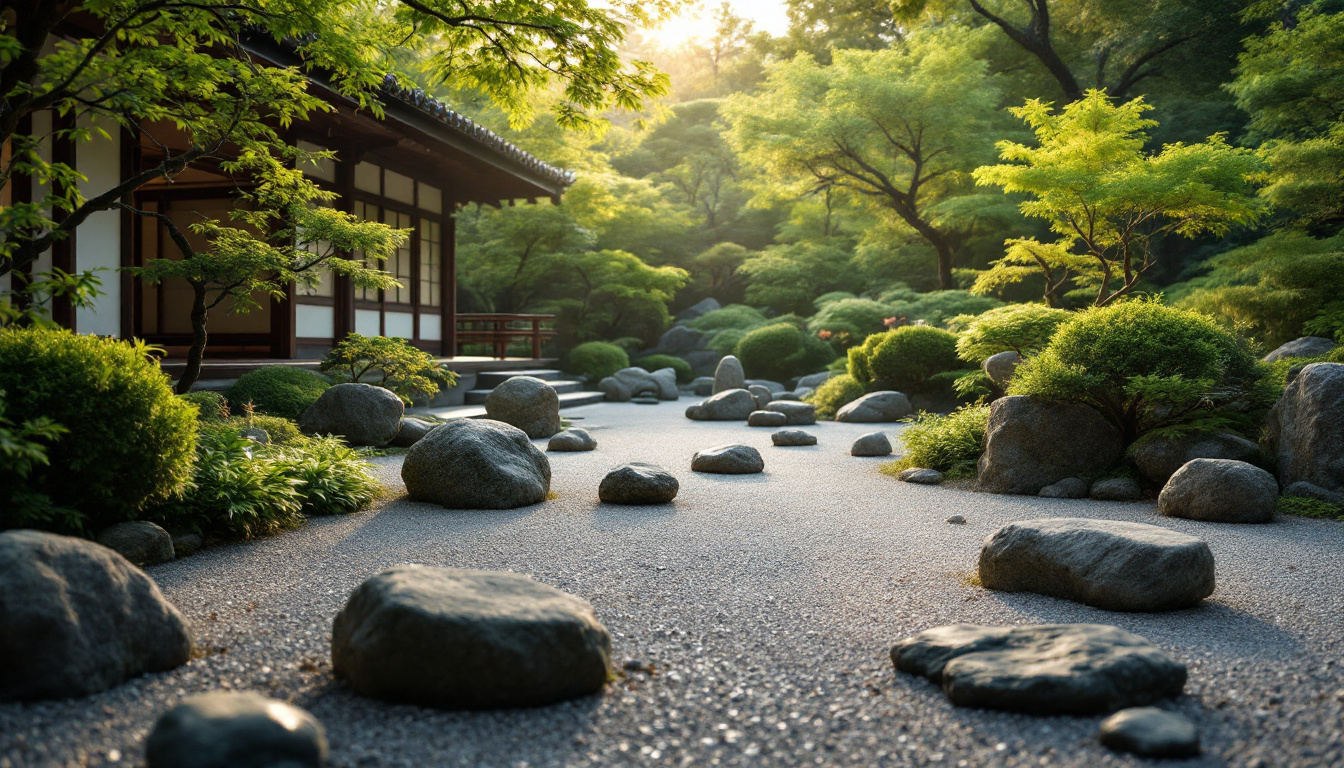
Some of the most famous Zen gardens in Japan include the Ryoan-ji Temple in Kyoto, known for its iconic rock garden; the Kenroku-en Garden in Kanazawa, considered one of the three great gardens of Japan; and the Adachi Museum of Art in Shimane, which combines art and garden design in a unique way. These gardens, along with many others, are a testament to the enduring appeal and significance of Zen gardens in Japanese culture.
Ryoan-ji Temple
The Ryoan-ji Temple in Kyoto is home to one of the most famous Zen gardens in Japan. This garden, known as the Rock Garden, is a masterpiece of simplicity and tranquility. It features 15 rocks arranged on a bed of white gravel, with no trees or other plants. The garden is designed in such a way that from any vantage point, at least one rock is always hidden from view. This design is thought to symbolize the Buddhist concept of the hidden truth of existence.
Visiting the Rock Garden at Ryoan-ji Temple is a unique experience. The simplicity of the garden invites contemplation and introspection, helping visitors to achieve a state of Zen. Whether you’re a Zen practitioner or a casual visitor, the Rock Garden at Ryoan-ji Temple is a must-visit destination when traveling in Japan.
Kenroku-en Garden
The Kenroku-en Garden in Kanazawa is considered one of the three great gardens of Japan. This garden, which dates back to the 17th century, is a perfect example of a traditional Japanese landscape garden. It features a variety of elements, including ponds, streams, waterfalls, tea houses, and a large collection of trees and flowers.
While not a Zen garden in the strictest sense, the Kenroku-en Garden embodies many of the principles of Zen garden design, including simplicity, naturalness, and a sense of balance and harmony. The garden is particularly beautiful in spring, when the cherry blossoms are in bloom, and in autumn, when the leaves change color.
Adachi Museum of Art
The Adachi Museum of Art in Shimane is known for its unique combination of art and garden design. The museum features a collection of modern Japanese art, including paintings, ceramics, and sculptures. However, the highlight of the museum is its six gardens, which are considered some of the best in Japan.
The gardens at the Adachi Museum of Art are designed to be viewed from the inside of the museum, like a living painting. This unique design concept, combined with the meticulous maintenance of the gardens, creates a stunning visual experience that blurs the line between art and nature.
Conclusion
Zen gardens are a unique and integral part of Japanese culture and spirituality. These gardens, with their minimalist design and symbolic elements, offer a tranquil space for meditation and contemplation. Whether you’re a Zen practitioner or a casual traveler, visiting a Zen garden in Japan is a unique and enriching experience.
Through this glossary entry, we hope you have gained a deeper understanding of Zen gardens and their significance in Japanese culture. We also hope this information will be helpful in planning your visit to a Zen garden in Japan. So, pack your bags, open your mind, and get ready to experience the tranquility and beauty of a Zen garden.
Ready to immerse yourself in the serene beauty of a Japanese Zen garden? Let Travel2Borders craft the perfect journey for you. Our expertise in creating tailor-made itineraries means you can explore Japan’s tranquil spaces without the hassle of planning and booking. We’ll secure the best rates on hotels and flights, ensuring your trip is as peaceful as the gardens you’ll visit. Book your next trip with us and step into the world of Zen, where all you need to do is board the plane and embark on a journey of tranquility.