
Welcome to the comprehensive guide on one of Japan’s most iconic landmarks, the Tokyo Tower. This article will provide you with an in-depth understanding of this magnificent structure, its history, significance, and the role it plays in the lives of the people of Japan and travelers alike.
Whether you’re planning a trip to Japan or just curious about this architectural marvel, this glossary will serve as your detailed guide. We’ll delve into the tower’s history, its design and construction, the experiences it offers, and its cultural significance. So, sit back, relax, and let’s embark on this journey together.
History of Tokyo Tower
The Tokyo Tower, standing tall at 333 meters, is a symbol of Japan’s post-war rebirth as a major economic power. The tower was constructed in 1958, during the height of Japan’s rapid economic growth, and served as a testament to the country’s recovery from World War II.
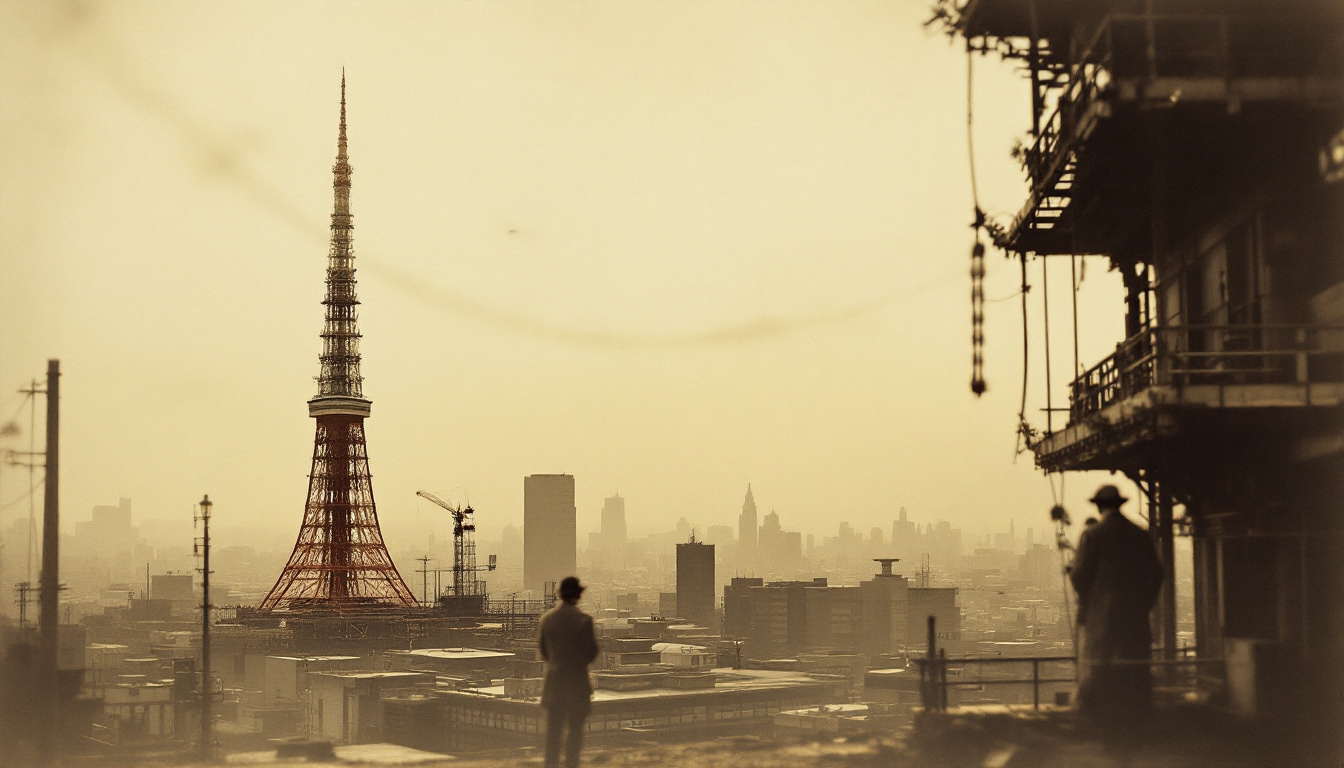
It was inspired by the design of the Eiffel Tower in Paris, but stands 13 meters taller, making it the tallest self-supporting steel structure in the world at the time of its completion. The tower was primarily built for broadcasting purposes, but over the years, it has evolved into a tourist attraction that draws millions of visitors each year.
The Construction Process
The construction of Tokyo Tower was a massive undertaking that involved hundreds of workers and took over a year to complete. The tower was built using more than 8,000 tons of steel, much of which was scrap metal taken from US tanks damaged in the Korean War.
The tower’s bright orange and white color scheme was chosen to comply with air safety regulations. Despite its height, the tower is surprisingly lightweight, weighing only about 4,000 tons, thanks to its lattice structure and the use of high-strength steel.
Opening and Early Years
Tokyo Tower officially opened to the public on December 23, 1958. The tower quickly became a popular tourist attraction, with its two observation decks offering panoramic views of Tokyo and beyond. In its early years, the tower also served as a symbol of Japan’s technological prowess and economic success.
Over the years, Tokyo Tower has undergone several renovations to keep up with the times and continue to attract visitors. These include the addition of a digital broadcasting system, a new lighting design, and a variety of new attractions within the tower complex.
Design and Architecture
The design of Tokyo Tower is heavily influenced by the Eiffel Tower, but it has its own unique features that set it apart. The tower’s lattice structure gives it a light and airy appearance, while its bright orange and white color scheme makes it stand out against the Tokyo skyline.
The tower is divided into three sections: the base, the middle observatory, and the top observatory. The base houses a variety of shops and attractions, while the two observatories offer stunning views of the city. The tower’s design also incorporates elements of traditional Japanese architecture, such as the use of curves and the emphasis on harmony with the surrounding environment.
Observation Decks
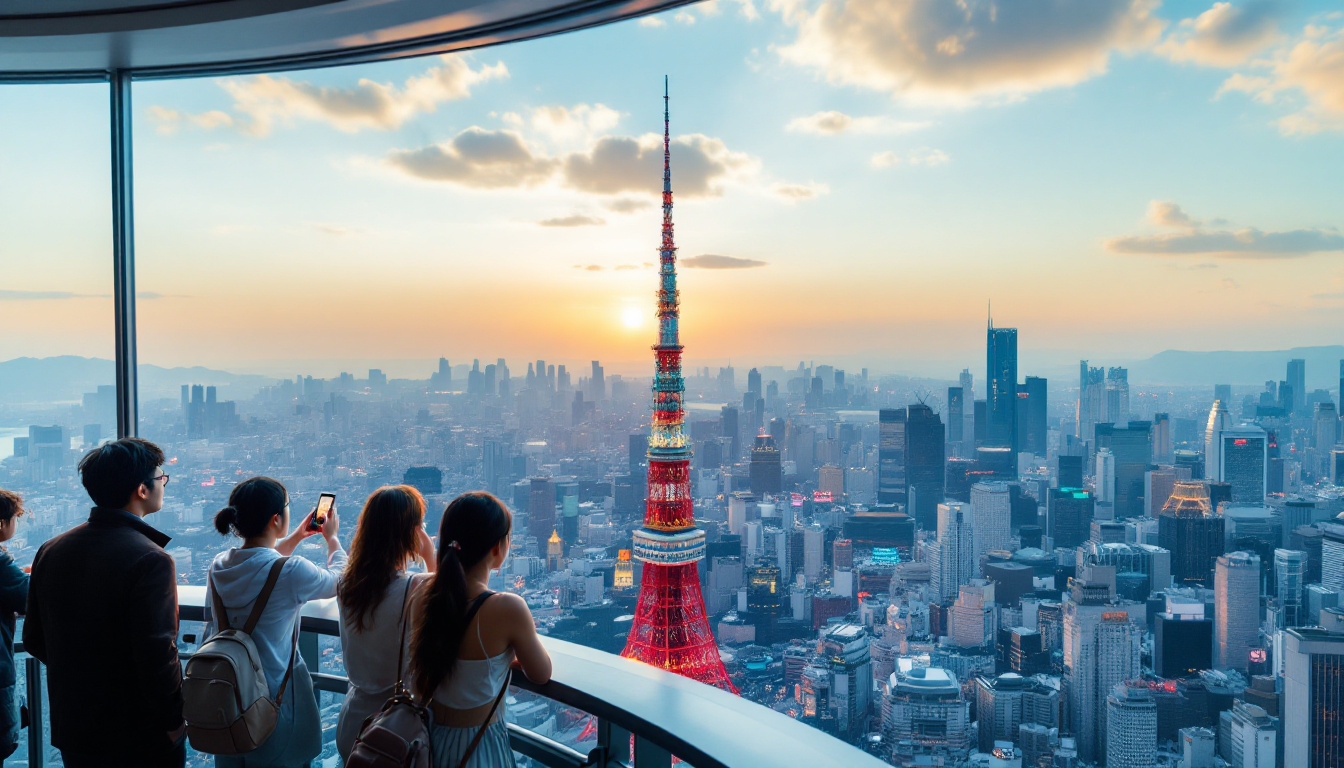
The two observation decks of Tokyo Tower are its main attractions. The lower deck, located at 150 meters, offers a 360-degree view of Tokyo, while the upper deck, located at 250 meters, offers a bird’s eye view of the city and, on clear days, Mount Fuji in the distance.
Both decks are equipped with high-powered telescopes that allow visitors to get a closer look at the city’s landmarks. The upper deck also features a glass floor section, where visitors can experience the thrill of “walking on air” 250 meters above the ground.
Lighting Design
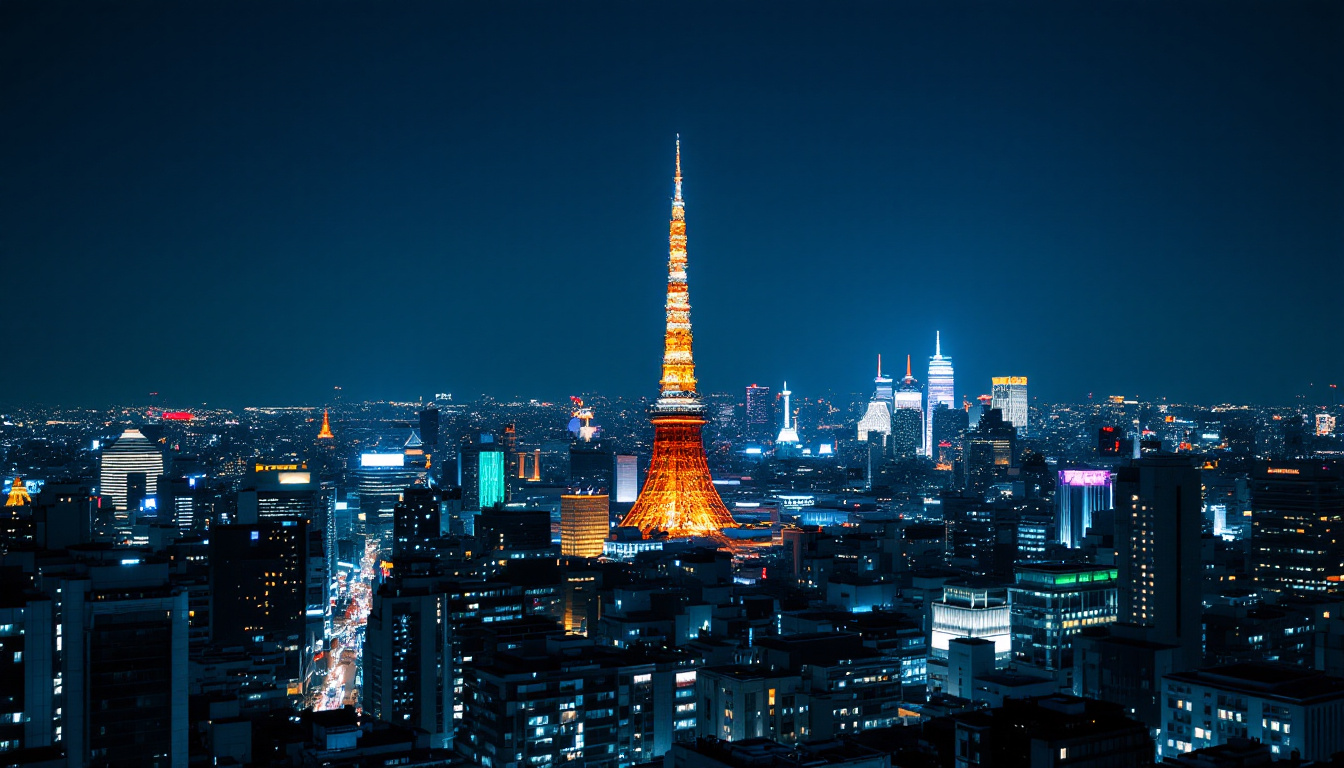
Tokyo Tower is not just a daytime attraction. At night, the tower is illuminated in a variety of colors, creating a beautiful spectacle that can be seen from all over the city. The tower’s lighting design changes with the seasons and for special events, making it a constantly evolving part of the Tokyo skyline.
The tower’s illumination is not just for show. It also serves a practical purpose, acting as a beacon for aircraft flying over the city. The tower’s lights are carefully designed to comply with air safety regulations, while also creating a visually stunning display.
Experiences at Tokyo Tower
Visiting Tokyo Tower is not just about admiring the view from the observation decks. The tower complex houses a variety of attractions that offer a range of experiences, from shopping and dining to cultural activities and entertainment.
Whether you’re a foodie, a shopaholic, or a history buff, there’s something for everyone at Tokyo Tower. Let’s take a closer look at some of the experiences you can enjoy during your visit.
Shopping and Dining
The base of Tokyo Tower is home to a variety of shops and restaurants. Here, you can find a wide range of souvenirs, from traditional Japanese crafts to Tokyo Tower-themed merchandise. The restaurants offer a variety of cuisines, from Japanese to Western, ensuring that there’s something to satisfy every palate.
One of the highlights of the shopping experience at Tokyo Tower is the official souvenir shop, which offers a wide range of exclusive merchandise. Whether you’re looking for a unique souvenir to remember your visit or a gift for someone back home, you’re sure to find something special here.
Cultural Activities
In addition to shopping and dining, Tokyo Tower also offers a range of cultural activities. These include traditional Japanese tea ceremonies, kimono dressing experiences, and calligraphy workshops. These activities offer a unique opportunity to immerse yourself in Japanese culture during your visit to the tower.
Another highlight is the Tokyo Tower Aquarium, which houses a variety of marine life from around the world. The aquarium offers an educational and entertaining experience for visitors of all ages, making it a must-visit attraction for families.
Cultural Significance
Over the years, Tokyo Tower has become more than just a tourist attraction. It has become a symbol of Tokyo and Japan, representing the country’s resilience, technological prowess, and cultural richness. The tower has also played a significant role in popular culture, appearing in numerous films, TV shows, and anime.
The tower’s cultural significance extends beyond its physical presence. It has become a symbol of hope and renewal, a beacon that shines brightly against the Tokyo skyline, reminding us of the city’s past and its bright future.
Tokyo Tower in Popular Culture
Thanks to its iconic status, Tokyo Tower has made numerous appearances in popular culture. It has been featured in countless films, TV shows, and anime, often serving as a symbol of Tokyo. Some of the most notable appearances include the Godzilla films, the anime series Sailor Moon, and the video game Persona 5.
These appearances have helped to cement Tokyo Tower’s status as a symbol of Tokyo and Japan. They have also helped to introduce the tower to a global audience, making it one of the most recognizable landmarks in the world.
Symbolism and Meaning
For many people, Tokyo Tower is more than just a structure. It is a symbol of Tokyo’s resilience and determination, a testament to the city’s ability to rebuild and reinvent itself in the face of adversity. The tower’s bright orange color is a reminder of the city’s vibrant energy and spirit of innovation.
At the same time, the tower is a symbol of Japan’s cultural richness and diversity. Its design incorporates elements of traditional Japanese architecture, while its attractions offer a glimpse into the country’s cultural practices and traditions. This blend of old and new, tradition and innovation, is a reflection of Japan’s unique cultural identity.
Visiting Tokyo Tower
Visiting Tokyo Tower is a must for any trip to Tokyo. Whether you’re a first-time visitor or a seasoned traveler, the tower offers a unique experience that you won’t find anywhere else. From the breathtaking views from the observation decks to the cultural activities and shopping opportunities, there’s something for everyone at Tokyo Tower.
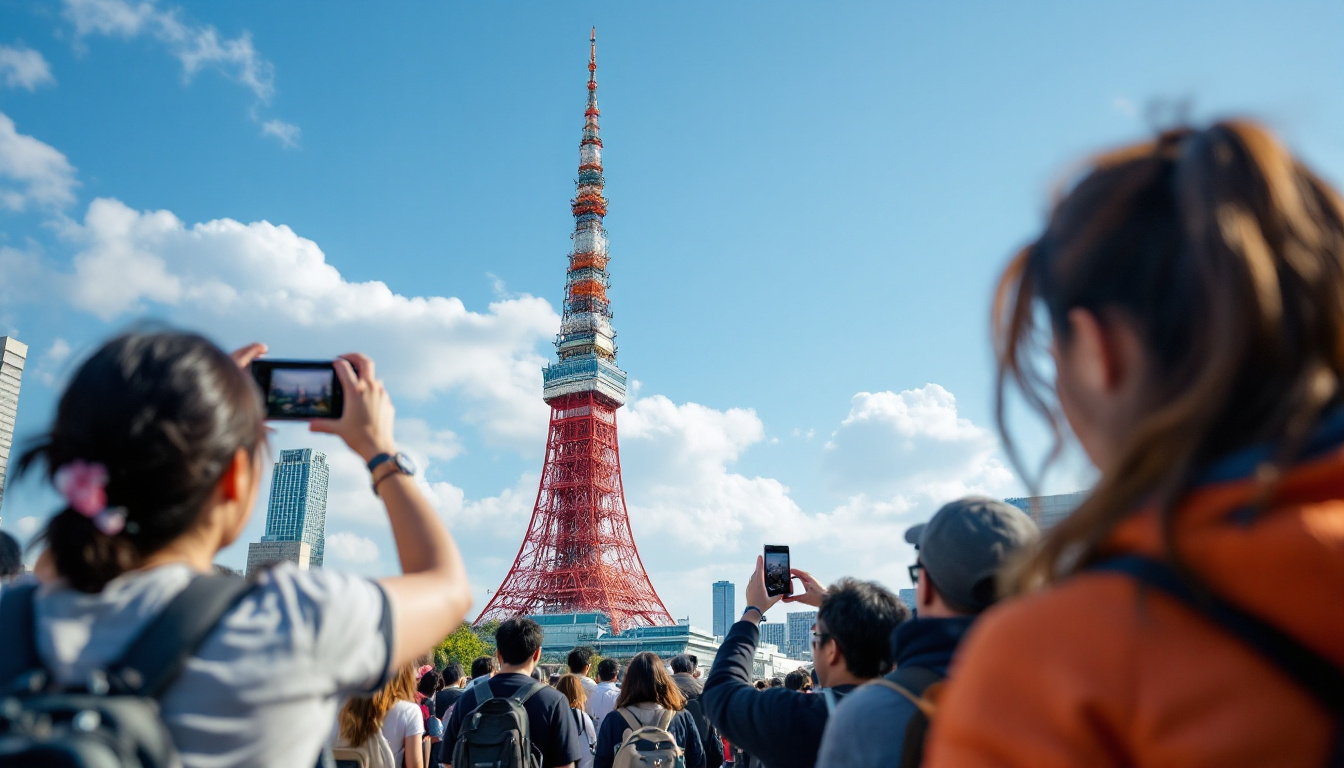
Before you visit, it’s a good idea to check the tower’s official website for the latest information on opening hours, ticket prices, and any special events or activities. And don’t forget to bring your camera – the view from the top is something you’ll want to remember!
Getting There
Tokyo Tower is conveniently located in the heart of Tokyo, making it easily accessible by public transportation. The closest subway stations are Onarimon Station on the Mita Line, Akabanebashi Station on the Oedo Line, and Kamiyacho Station on the Hibiya Line. From these stations, it’s just a short walk to the tower.
If you’re traveling by taxi, simply tell the driver “Tokyo Tower” and they’ll know where to go. There’s also a parking lot at the tower if you’re driving. However, keep in mind that parking in Tokyo can be expensive, so public transportation is usually the best option.
Tickets and Opening Hours
Tokyo Tower is open every day, usually from 9:00 AM to 11:00 PM. However, opening hours can vary depending on the season and any special events, so it’s a good idea to check the official website before your visit. Tickets for the observation decks can be purchased at the tower or online in advance.
There are also a variety of combo tickets available that include admission to other attractions within the tower complex, such as the Tokyo Tower Aquarium. These can be a good option if you’re planning to spend a whole day at the tower.
Conclusion
Whether you’re a history buff, a culture enthusiast, a foodie, or just someone who enjoys breathtaking views, Tokyo Tower has something to offer. This iconic landmark is not just a symbol of Tokyo and Japan, but also a testament to the resilience, innovation, and cultural richness of this amazing city and country.
So, next time you’re in Tokyo, make sure to pay a visit to Tokyo Tower. It’s an experience you won’t want to miss!
Ready to experience the splendor of Tokyo Tower and the vibrant city that surrounds it? Let Travel2Borders craft your perfect Tokyo itinerary, complete with exclusive hotel and flight deals. Our expert team will handle all the bookings and reservations, ensuring a seamless journey from takeoff to the stunning views atop this iconic landmark. Book your next trip with us and embark on a hassle-free adventure to the heart of Japan.