
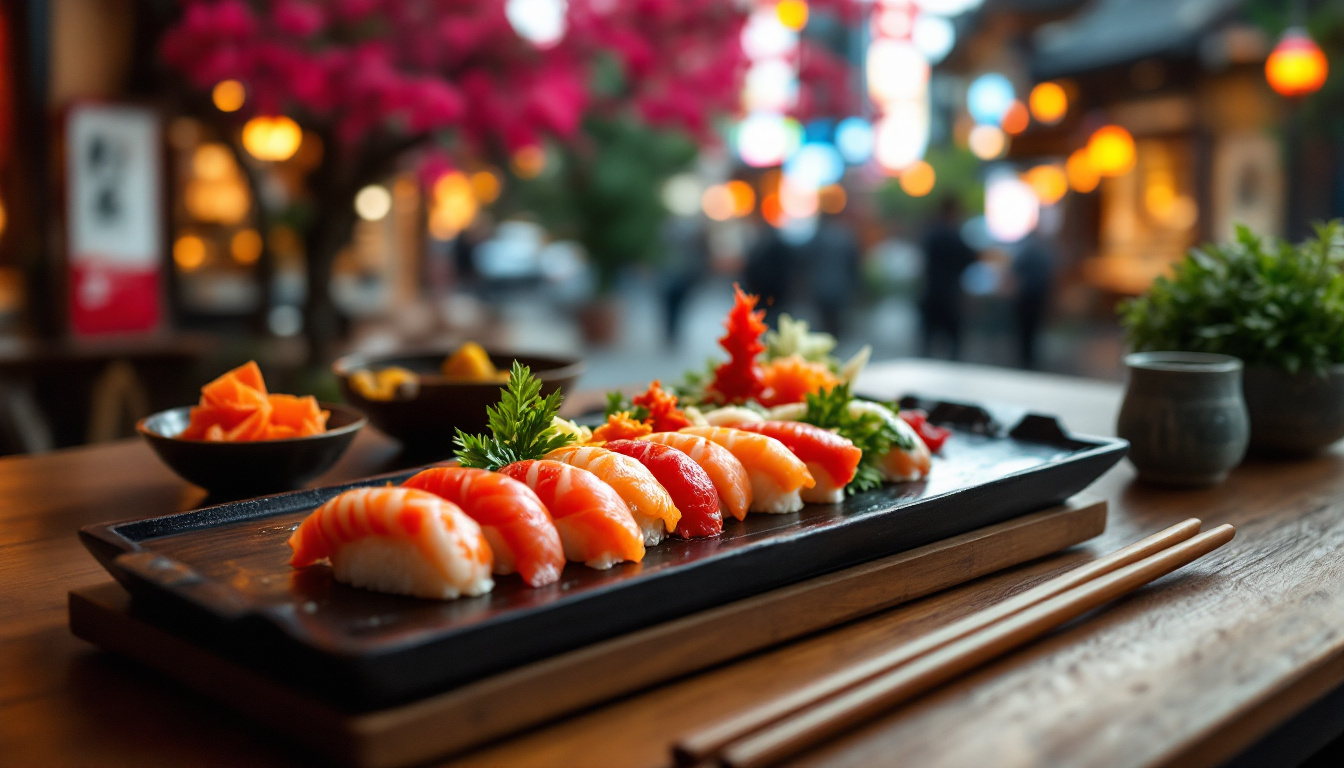
When it comes to traveling in Japan, one cannot overlook the significance of sushi in the Japanese culinary landscape. This delicacy, which has now gained global popularity, is more than just a food item in Japan – it’s a cultural symbol, an art form, and a tradition that has been passed down through generations. In this glossary, we’ll delve deep into the world of sushi, exploring its origins, types, preparation methods, and its role in Japanese society.
Understanding sushi is not just about knowing what’s on your plate. It’s about appreciating the craftsmanship that goes into each piece, the history that led to its creation, and the etiquette that surrounds its consumption. So, whether you’re a sushi connoisseur or a novice looking to expand your culinary horizons, this glossary is your comprehensive guide to understanding sushi in the context of traveling in Japan.
Origins of Sushi
The history of sushi is a fascinating journey that dates back to the 8th century. The original form of sushi, known as narezushi, was a method of preserving fish in fermented rice. The rice was discarded before the fish was eaten. This method was popular across Southeast Asia before it made its way to Japan.
Over time, the Japanese started eating the fermented rice along with the fish, giving birth to a new form of sushi. The Edo period saw the introduction of nigirizushi, which is closer to the sushi we know today. This was a time when Tokyo (then known as Edo) was becoming a bustling metropolis, and fast food was in demand. Nigirizushi, with its hand-pressed rice topped with fresh fish, met this demand perfectly.
The Evolution of Sushi
The sushi we know and love today has undergone significant evolution over the centuries. The advent of refrigeration technology in the 19th century allowed for the use of fresh fish, transforming sushi from a preserved food item to a fresh one. This also expanded the variety of fish that could be used in sushi.
Another major shift came with the introduction of vinegared rice, which added a new dimension of flavor to sushi. This is now a staple in sushi preparation. The 20th century saw sushi gaining popularity outside of Japan, leading to the creation of new types of sushi to cater to different tastes, such as the California roll.
Types of Sushi
There’s a wide variety of sushi types, each with its unique characteristics and preparation methods. The most common types include nigiri, maki, temaki, and sashimi. Nigiri is a type of sushi where a slice of raw fish is pressed onto a mound of vinegared rice. Maki, on the other hand, is rolled sushi where the rice and other ingredients are rolled in a seaweed sheet called nori.

Temaki, also known as hand roll, is a cone-shaped piece of nori filled with sushi rice, seafood, and vegetables. Sashimi, while not technically sushi since it doesn’t include rice, is often served alongside sushi. It consists of thinly sliced raw fish or seafood.
Regional Variations
Just like any other cuisine, sushi also has regional variations in Japan. For instance, in Osaka, a style of sushi called oshizushi is popular. This is a type of pressed sushi where the fish is pressed onto the rice in a wooden mold. In the Chiba region, a local specialty is gunkanmaki, a type of sushi where the nori is wrapped around the rice to form a vessel that is then filled with various ingredients.
In Hokkaido, the northernmost island of Japan, you’ll find sushi made with fresh seafood caught from the surrounding cold waters, such as sea urchin and salmon roe. On the other hand, in Kyushu, the southernmost island, you’ll find sushi made with local specialties like horse mackerel and bonito.
Preparation of Sushi
The preparation of sushi is considered an art form in Japan. It requires years of training to become a sushi chef, known as a itamae. The process starts with preparing the sushi rice, which is cooked short-grain rice mixed with a blend of rice vinegar, sugar, and salt. The rice needs to be cooled to room temperature before it’s used for sushi.
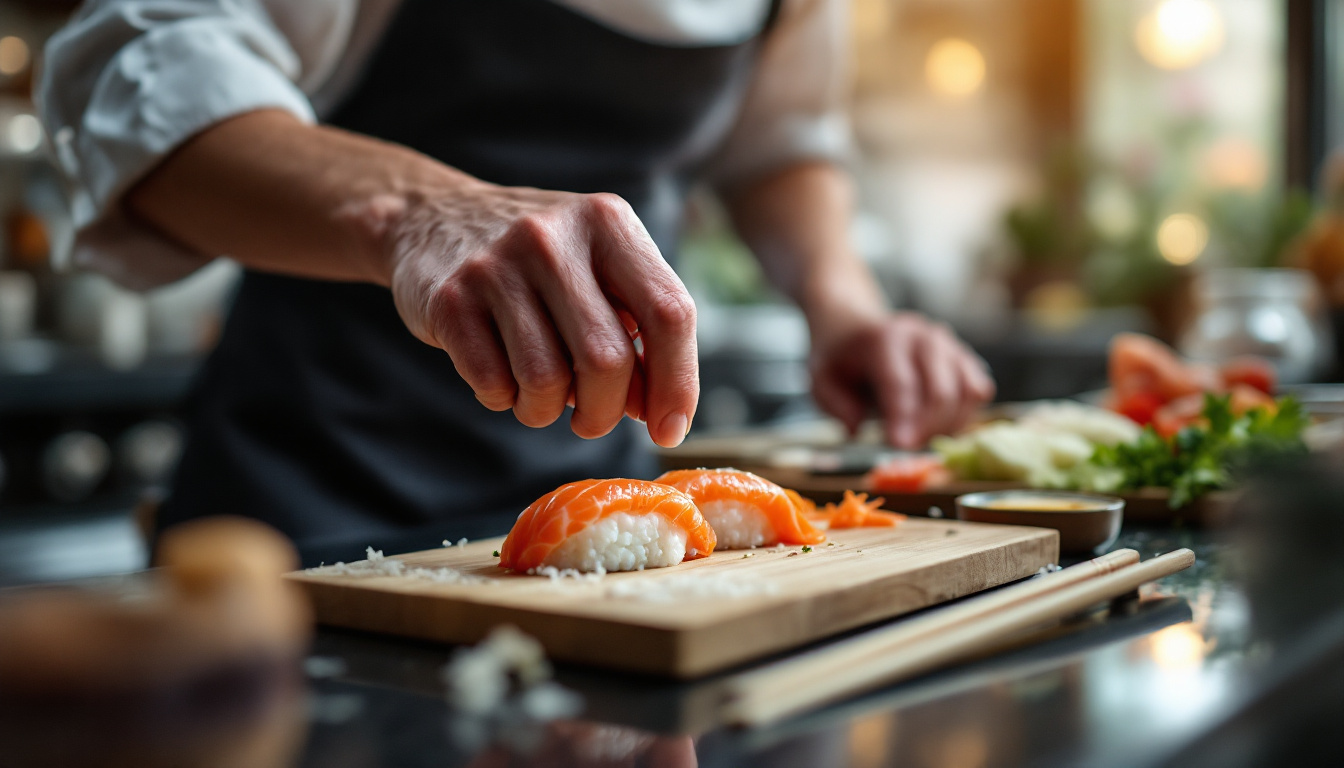
The fish used for sushi is carefully selected and prepared. It’s often aged to enhance its flavor and texture. The fish is then sliced with precision, a skill that takes years to master. The final step is the assembly of the sushi, which varies depending on the type of sushi being made.
Sushi Etiquette
When eating sushi, there are certain etiquettes to follow. For instance, it’s considered proper to eat sushi with your hands, although chopsticks are also acceptable. When dipping sushi in soy sauce, it’s the fish, not the rice, that should touch the sauce. Also, it’s customary to eat sushi in one bite to appreciate the harmony of flavors.
Another important etiquette is to respect the itamae. It’s considered polite to express appreciation for their work, and in high-end sushi restaurants, it’s common to let the itamae choose your sushi for you, a practice known as omakase.
Sushi in Japanese Society
Sushi holds a special place in Japanese society. It’s not just a regular meal but a delicacy that’s often enjoyed during special occasions. High-end sushi restaurants in Japan offer a fine dining experience, where each piece of sushi is meticulously crafted and served one at a time.
On the other hand, conveyor belt sushi restaurants, known as kaitenzushi, offer a more casual and affordable way to enjoy sushi. Here, a variety of sushi dishes are placed on a rotating conveyor belt, and you simply pick the ones you want to eat. These restaurants are popular among families and tourists.
Sushi and Health
Sushi is often touted as a healthy meal option, and for good reason. The main components of sushi, such as fish, rice, and vegetables, are low in fat and high in essential nutrients. Fish, in particular, is a good source of omega-3 fatty acids, which are beneficial for heart health.
However, it’s worth noting that not all sushi is created equal. Some types of sushi, especially those with added sauces or fried ingredients, can be high in calories and sodium. Therefore, it’s important to choose your sushi wisely if you’re watching your diet.
Conclusion
Understanding sushi is a key part of experiencing Japan. It’s a culinary tradition that reflects the Japanese ethos of simplicity, precision, and respect for ingredients. Whether you’re enjoying a high-end omakase experience or grabbing a quick bite at a kaitenzushi, sushi offers a taste of Japanese culture that’s as rich and varied as the country itself.
So, the next time you’re traveling in Japan, take the time to appreciate sushi – not just as a food item, but as a cultural experience. And remember, the world of sushi is vast and diverse, so don’t be afraid to try something new. Who knows, you might just discover your new favorite sushi!
Ready to embark on a culinary adventure and immerse yourself in the rich culture of Japan? Let Travel2Borders craft the perfect itinerary for your sushi exploration. With our expertise in custom travel plans and our ability to secure the best rates on hotels and flights, all you need to do is pack your bags and prepare for an unforgettable journey. Book your next trip with us and savor the authentic taste of Japan, hassle-free.