
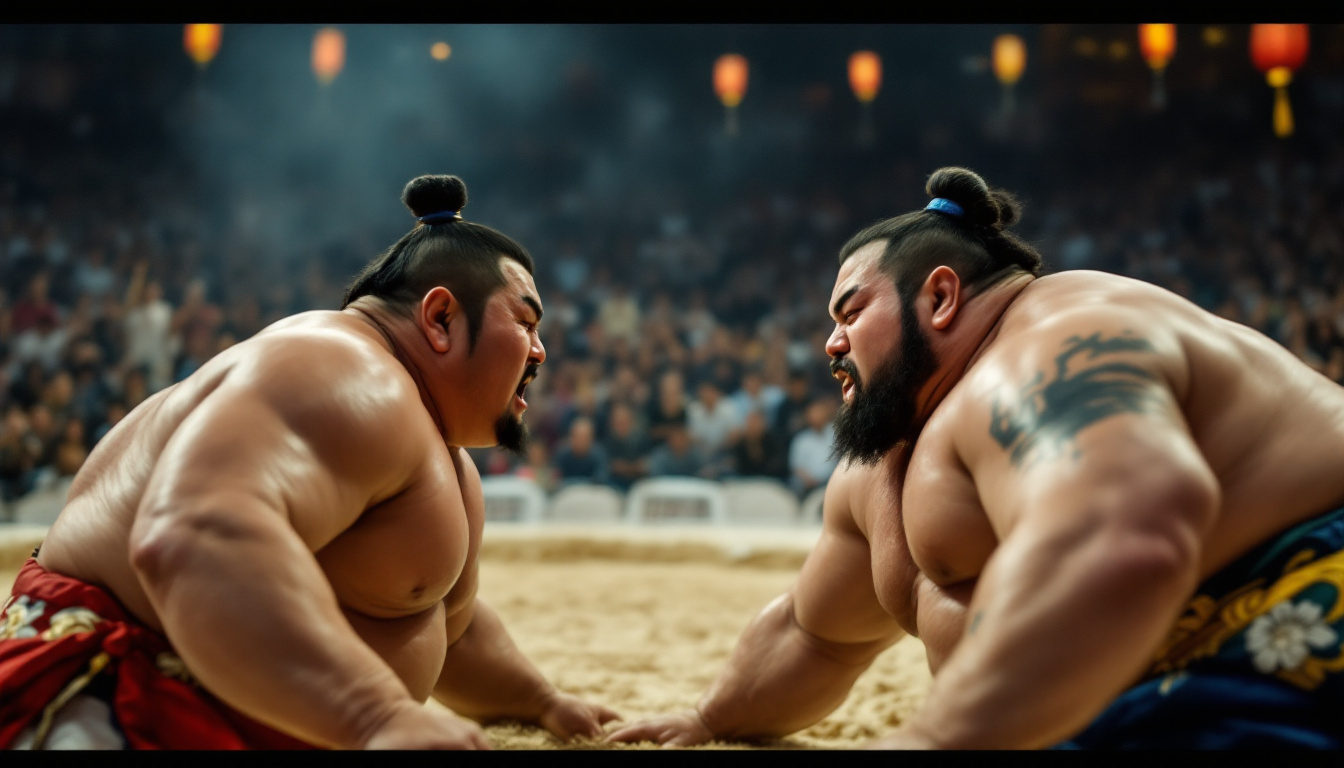
When it comes to unique cultural experiences, Japan is a treasure trove. One such gem is the traditional sport of Sumo. This article will delve into the world of Sumo, its significance in Japanese culture, and how you as a traveler can experience it. So, buckle up and get ready for a deep dive into the fascinating world of Sumo.
Sumo is not just a sport in Japan; it’s a living piece of history, a religious ritual, and a social event all rolled into one. It’s a spectacle that can be enjoyed by all, regardless of language barriers. This article will guide you through everything you need to know about Sumo, from its history and rules to how to watch a match and what to expect.
History of Sumo
The history of Sumo is as rich and complex as the sport itself. It dates back to the Yayoi period (300 BC – 300 AD), where it was performed in rituals to pray for a good harvest. Sumo has since evolved into a professional sport, but it still retains its religious and ritualistic roots.
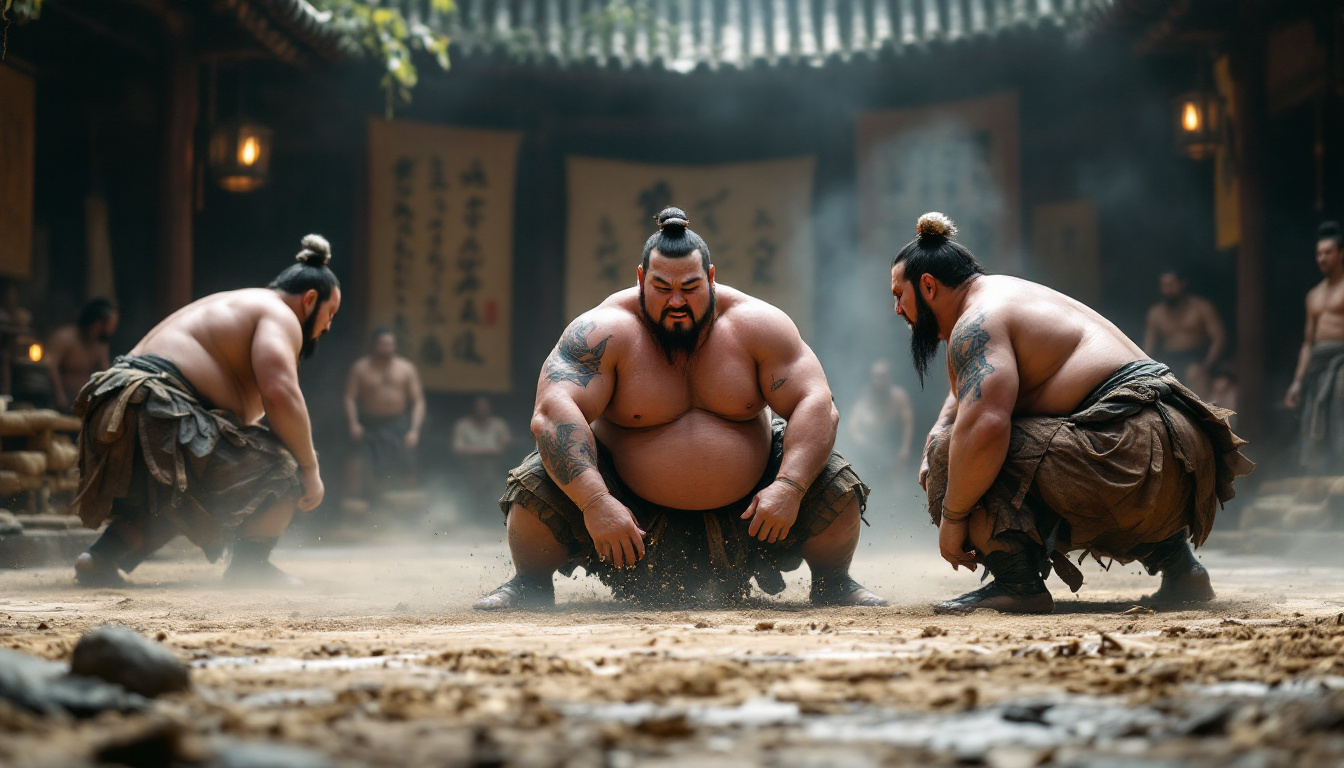
Sumo was also used in the imperial court of Japan as a form of entertainment. The sport gradually spread throughout Japan and became a popular form of entertainment among the common people during the Edo period (1603 – 1868). Today, Sumo is considered a national sport and is deeply ingrained in Japanese culture.
The Evolution of Sumo
Sumo has undergone significant changes throughout its history. The sport was initially a brutal, no-holds-barred contest where serious injuries and even death were not uncommon. However, over time, rules were established to make the sport safer and more structured.
The modern form of Sumo that we see today was largely shaped during the Edo period. This was when the current rules were established, and the sport became professionalized. The first professional Sumo wrestlers, or rikishi, appeared during this period, and the first official Sumo tournament was held in 1684.
Sumo and Religion
Sumo has deep ties with Shinto, the indigenous religion of Japan. Many of the rituals in Sumo, such as the purification of the ring with salt, are derived from Shinto practices. Even today, Sumo matches are considered religious events, and they are often held in shrines and temples.
The religious aspect of Sumo is also reflected in the attire of the wrestlers. The mawashi, or belt, that the wrestlers wear is similar to the shimenawa used in Shinto rituals to mark sacred spaces. The topknot hairstyle worn by the wrestlers is also a symbol of their sacred status.
Understanding Sumo
Sumo may seem confusing to the uninitiated, but it’s actually a fairly straightforward sport. The objective is simple: force your opponent out of the ring or make them touch the ground with any part of their body other than their feet.
However, there’s more to Sumo than just brute strength. Strategy, technique, and mental toughness are all crucial elements of the sport. A smaller wrestler can often defeat a larger opponent by using superior technique or outsmarting them.
Rules of Sumo
The rules of Sumo are relatively simple. A match begins with both wrestlers crouching in the center of the ring. At the referee’s signal, they charge at each other in an attempt to gain the upper hand. The match continues until one wrestler is pushed out of the ring or touches the ground with any part of their body other than their feet.
There are also several illegal moves in Sumo, such as pulling the opponent’s hair, punching, or kicking. If a wrestler is found to have used an illegal move, they are immediately disqualified.
Sumo Techniques
There are dozens of techniques, or kimarite, that Sumo wrestlers can use to defeat their opponents. These range from straightforward pushes and slaps to complex throws and leg sweeps. Each wrestler has their own preferred techniques, which they develop and refine over their career.
One of the most common techniques is the yorikiri, or frontal force out, where a wrestler grabs their opponent’s belt and pushes them out of the ring. Another common technique is the uwatenage, or overarm throw, where a wrestler throws their opponent to the ground using an overarm grip on the belt.
Experiencing Sumo
Watching a Sumo match is a unique and unforgettable experience. The atmosphere is electric, and the action is intense and unpredictable. Whether you’re a sports fan or not, it’s something that should be on every traveler’s bucket list when visiting Japan.
There are several ways to experience Sumo in Japan. You can attend a professional tournament, visit a Sumo stable to watch a training session, or even participate in a Sumo workshop to try the sport for yourself.
Attending a Sumo Tournament
There are six major Sumo tournaments, or basho, held each year in Japan. These tournaments last for 15 days, and they are the highlight of the Sumo calendar. The atmosphere at these tournaments is electric, and it’s a great opportunity to see the top wrestlers in action.
Getting tickets for a Sumo tournament can be challenging, especially for the more popular tournaments. Tickets often sell out quickly, so it’s a good idea to book well in advance. You can purchase tickets online or at the venue on the day of the match, although availability on the day is not guaranteed.
Visiting a Sumo Stable
Another way to experience Sumo is to visit a Sumo stable, or heya, where the wrestlers live and train. Watching a training session is a unique opportunity to see the wrestlers up close and get a glimpse of the hard work and dedication that goes into the sport.
Visiting a Sumo stable requires some planning, as not all stables are open to the public, and those that are often require advance booking. It’s also important to remember that a Sumo stable is not a tourist attraction but a place of work and training, so visitors are expected to observe certain rules and etiquette.
Sumo and Japanese Culture
Sumo is more than just a sport in Japan; it’s a part of the country’s cultural fabric. It’s a living piece of history, a religious ritual, and a social event all rolled into one. Whether you’re a sports fan or not, experiencing Sumo is a unique and unforgettable way to immerse yourself in Japanese culture.
From the rituals and ceremonies to the food and drink, Sumo is deeply ingrained in Japanese culture. It’s a spectacle that can be enjoyed by all, regardless of language barriers. So, whether you’re planning a trip to Japan or just curious about this fascinating sport, I hope this article has given you a deeper understanding of Sumo and its significance in Japanese culture.
Sumo and Japanese Society
Sumo holds a special place in Japanese society. It’s not just a sport, but a way of life for the wrestlers, who live and train together in communal stables. The hierarchical structure of these stables reflects the hierarchical nature of Japanese society, with the senior wrestlers enjoying certain privileges and the junior wrestlers performing most of the chores.
The wrestlers’ strict lifestyle and dedication to the sport are admired by many Japanese people. However, Sumo has also faced criticism for its harsh training methods and the intense pressure placed on the wrestlers. Despite these challenges, Sumo continues to be a beloved part of Japanese culture.
Sumo and Japanese Cuisine
Food plays a significant role in Sumo. The wrestlers follow a special diet to maintain their large size. The main dish is chanko-nabe, a hearty stew made with meat, tofu, and vegetables. This dish is so associated with Sumo that it’s often served in restaurants near Sumo stables and arenas.
Chanko-nabe is not just a meal, but a social event. The wrestlers eat together in a communal setting, reinforcing the sense of camaraderie and community within the stable. So, if you’re looking to experience Sumo in a different way, why not try a bowl of chanko-nabe?
Conclusion
Sumo is a fascinating sport that offers a unique window into Japanese culture. Whether you’re watching a high-stakes tournament match, observing a rigorous training session at a stable, or enjoying a bowl of chanko-nabe, experiencing Sumo is a must-do for any traveler in Japan.
So, the next time you’re in Japan, why not take the opportunity to delve into the world of Sumo? It’s an experience you won’t forget.
Ready to immerse yourself in the captivating world of Sumo on your next trip to Japan? Let Travel2Borders craft the perfect itinerary for you. Our expert team will handle all your bookings and reservations, ensuring you get the best rates on hotels and flights. All you need to do is pack your bags and board the plane. Book your next trip with us and experience the thrill of Sumo without any hassle.