
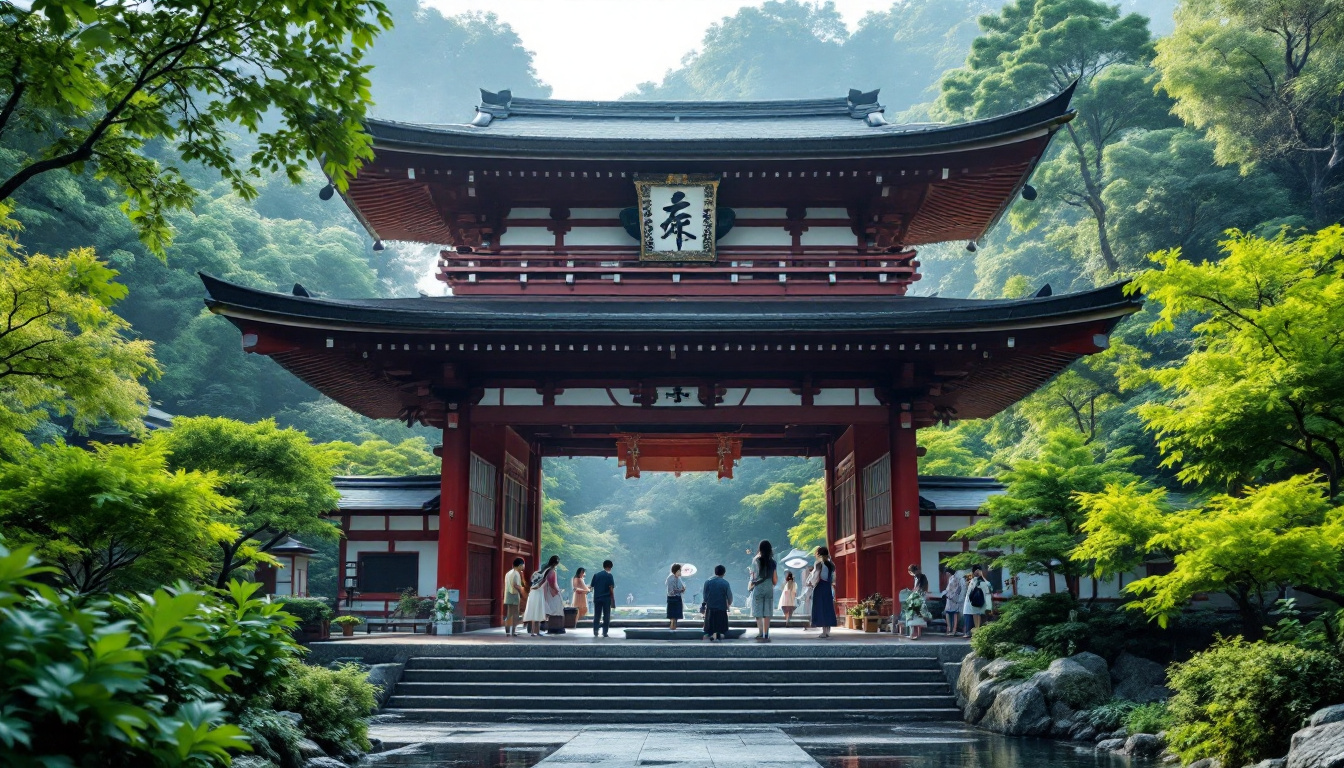
Welcome to our glossary on Traveling in Japan. In this entry, we’ll be diving deep into the world of Shinto, a major religion in Japan that significantly influences the country’s culture, traditions, and even its tourism. Understanding Shinto can greatly enhance your travel experience in Japan, offering a deeper appreciation for the country’s unique customs and practices.
Shinto, often referred to as kami-no-michi, is an indigenous religion in Japan that dates back to the 8th century. It’s deeply rooted in the Japanese way of life and is characterized by the worship of kami, or spirits, which are believed to inhabit all things. This belief system permeates many aspects of Japanese culture, from its architecture to its festivals, making it an essential part of any traveler’s journey in Japan.
Understanding Shinto
Before embarking on your journey to Japan, it’s crucial to have a basic understanding of Shinto. This religion is unique in that it doesn’t have a founder, nor does it have sacred scriptures like the Bible or Quran. Instead, it’s a way of life that has been passed down through generations, deeply intertwined with Japan’s history and culture.
Shinto is polytheistic, meaning it believes in the existence of many gods or deities. These deities, known as kami, are believed to inhabit all things, from natural elements like rivers and mountains, to abstract concepts like fertility and growth. The worship of these kami forms the basis of Shinto rituals and practices.
The Concept of Kami
The term ‘kami’ is often translated as ‘god’ or ‘deity’, but this doesn’t fully capture its meaning in Shinto. In Shinto belief, kami are not omnipotent beings that rule over the world, but rather spirits that exist within it. They are believed to inhabit all things and are revered for their sacred power, or ‘musubi’, which is seen as a source of life, growth, and change.
Kami can be found in a myriad of forms, from natural elements like the sun, moon, and wind, to animals, plants, and even human beings. They are also believed to inhabit places of natural beauty, such as mountains, rivers, and forests, making these sites important places of worship in Shinto.
Shinto Shrines
Shinto shrines, or ‘jinja’, are places of worship where kami are enshrined. They are characterized by their distinctive architecture, featuring a torii gate at the entrance, a main hall for worship, and often a sacred natural feature, such as a tree or rock, which is believed to be inhabited by a kami.
Visiting a Shinto shrine is a unique experience that offers a glimpse into Japan’s spiritual culture. Upon entering, visitors are expected to perform a series of rituals, including purification at a water basin, offering a coin, and clapping hands to summon the kami. These rituals are not only a form of worship, but also a way to show respect and gratitude towards the kami.
Shinto and Japanese Culture
Shinto’s influence on Japanese culture is profound and pervasive. From its architecture and art to its festivals and customs, the traces of Shinto can be seen in many aspects of Japanese life. Understanding these cultural elements can greatly enhance your travel experience in Japan, offering a deeper appreciation for the country’s unique traditions.
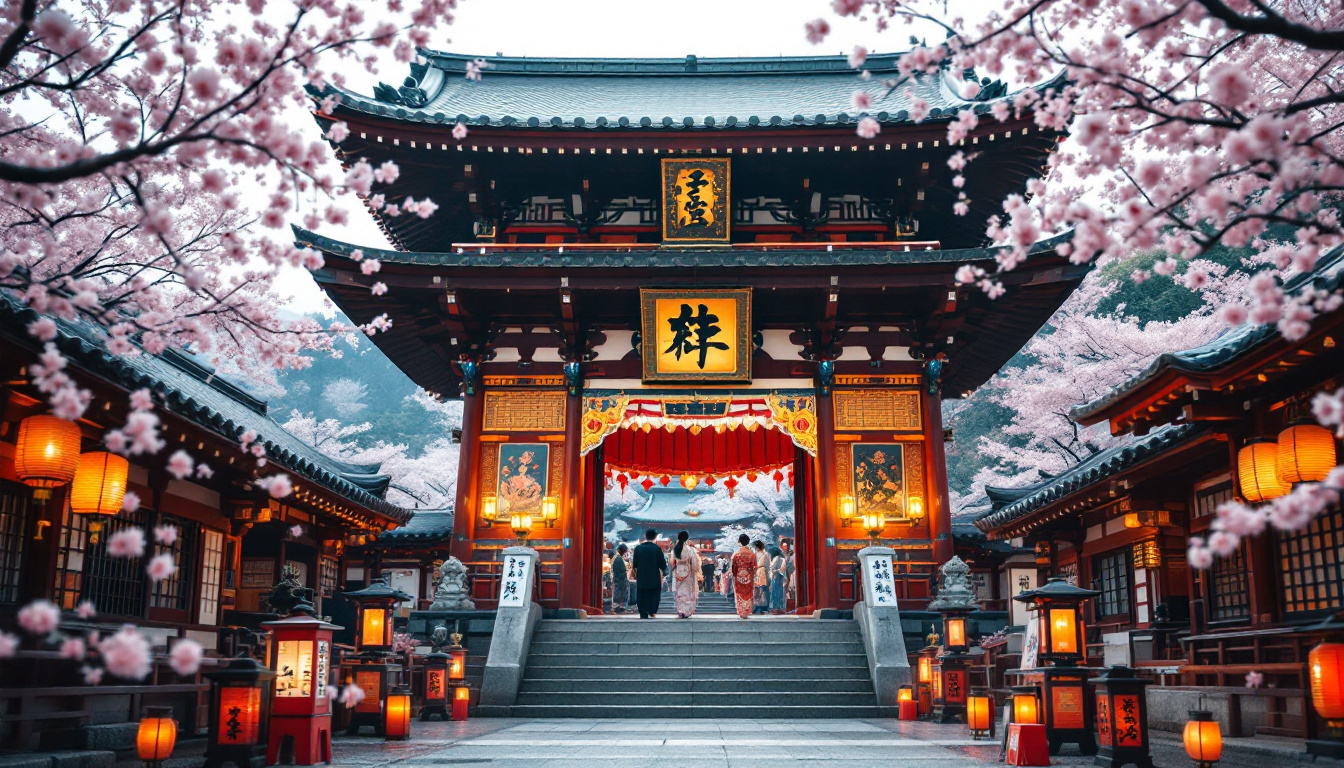
One of the most visible aspects of Shinto in Japanese culture is its festivals, or ‘matsuri’. These are held throughout the year to honor various kami and are characterized by processions, dances, and rituals. Participating in a matsuri can be a memorable experience, offering a chance to immerse yourself in Japan’s rich cultural heritage.
Shinto Architecture
Shinto’s influence on Japanese architecture is profound. Shinto shrines, with their distinctive torii gates and naturalistic design, are a testament to the religion’s reverence for nature and the kami that inhabit it. These shrines are often built in places of natural beauty, such as forests and mountains, and are designed to blend seamlessly with their surroundings.
Aside from shrines, Shinto’s influence can also be seen in traditional Japanese homes, which often feature a ‘kamidana’, or household shrine, where the family’s ancestral kami are worshipped. These kamidana are typically placed in a high, clean area of the house and are treated with great respect, reflecting the deep-rooted belief in kami in Japanese society.
Shinto Festivals
Shinto festivals, or ‘matsuri’, are a major part of Japanese culture. Held throughout the year, these festivals honor various kami and are characterized by processions, dances, and rituals. They offer a chance to witness Japan’s rich cultural heritage, with many festivals dating back hundreds of years.
Participating in a matsuri can be a memorable experience, offering a glimpse into Japan’s spiritual culture. From the grand processions of the Gion Matsuri in Kyoto to the fire rituals of the Nachi Fire Festival in Wakayama, each festival offers a unique experience that reflects the local culture and beliefs.
Shinto and Traveling in Japan
Understanding Shinto can greatly enhance your travel experience in Japan. Whether you’re visiting a Shinto shrine, participating in a festival, or simply appreciating the country’s natural beauty, being aware of the Shinto beliefs and customs can offer a deeper appreciation for Japan’s unique culture.
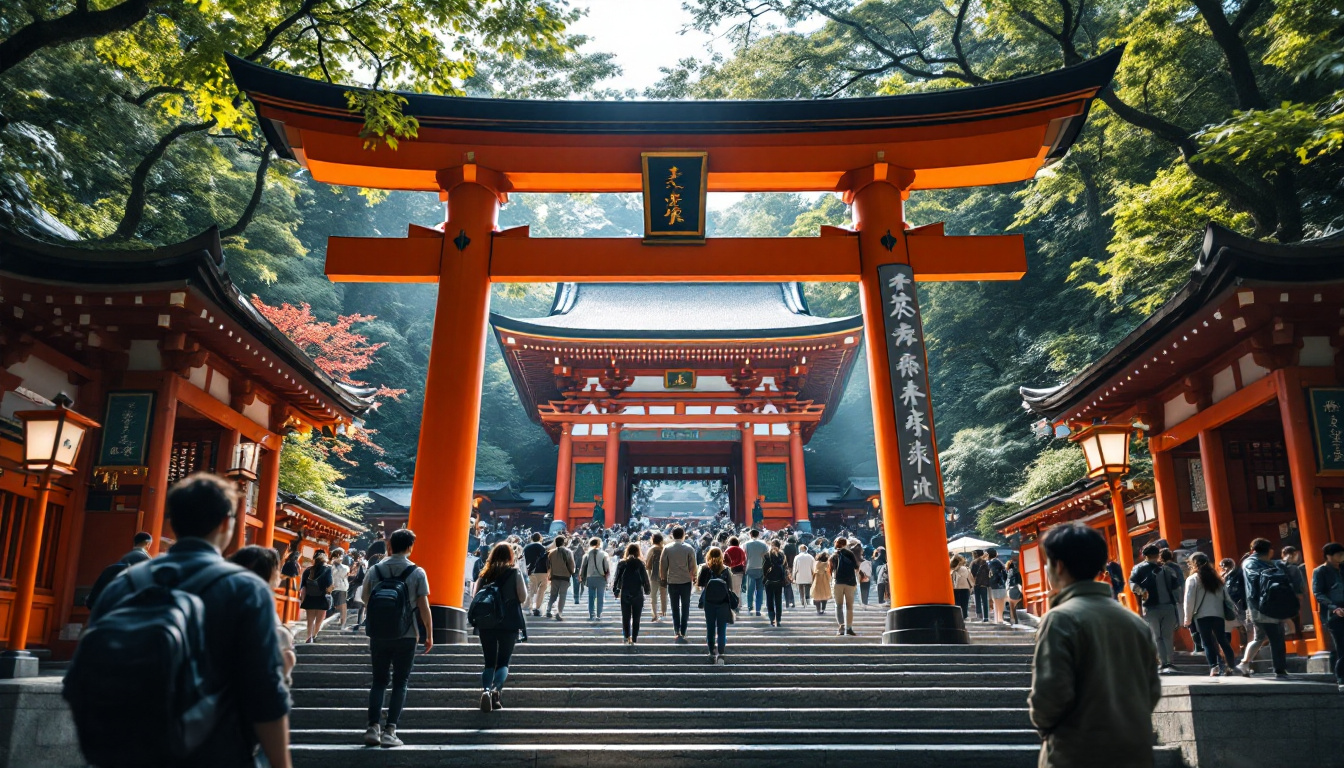
Moreover, visiting Shinto shrines and participating in Shinto rituals can be a way to connect with the local culture. It’s not just about sightseeing, but also about experiencing and understanding the spiritual culture that has shaped Japan for centuries.
Visiting Shinto Shrines
Visiting a Shinto shrine is a must-do for any traveler in Japan. These shrines offer a unique glimpse into Japan’s spiritual culture, with their distinctive architecture, serene atmosphere, and rituals. Whether it’s the grandeur of the Meiji Shrine in Tokyo, the tranquility of the Ise Grand Shrine in Mie, or the natural beauty of the Itsukushima Shrine in Hiroshima, each shrine offers a unique experience.
When visiting a shrine, it’s important to follow the proper etiquette. This includes purifying yourself at the water basin, offering a coin, and clapping your hands to summon the kami. By participating in these rituals, you’re not only showing respect to the kami, but also immersing yourself in Japan’s spiritual culture.
Participating in Shinto Festivals
Participating in a Shinto festival can be a highlight of your trip to Japan. These festivals offer a chance to witness Japan’s rich cultural heritage, with their grand processions, traditional dances, and rituals. Whether it’s the vibrant floats of the Gion Matsuri, the fire rituals of the Nachi Fire Festival, or the snow sculptures of the Sapporo Snow Festival, each festival offers a unique and memorable experience.
When attending a festival, it’s important to respect the local customs. This includes following the crowd etiquette, not touching the sacred objects, and participating in the rituals in a respectful manner. By doing so, you’re not only enjoying the festival, but also showing respect to the local culture and beliefs.
Conclusion
Shinto is more than just a religion in Japan – it’s a way of life that permeates many aspects of the country’s culture, traditions, and even its tourism. By understanding Shinto, you can gain a deeper appreciation for Japan’s unique customs and practices, enhancing your travel experience in this fascinating country.
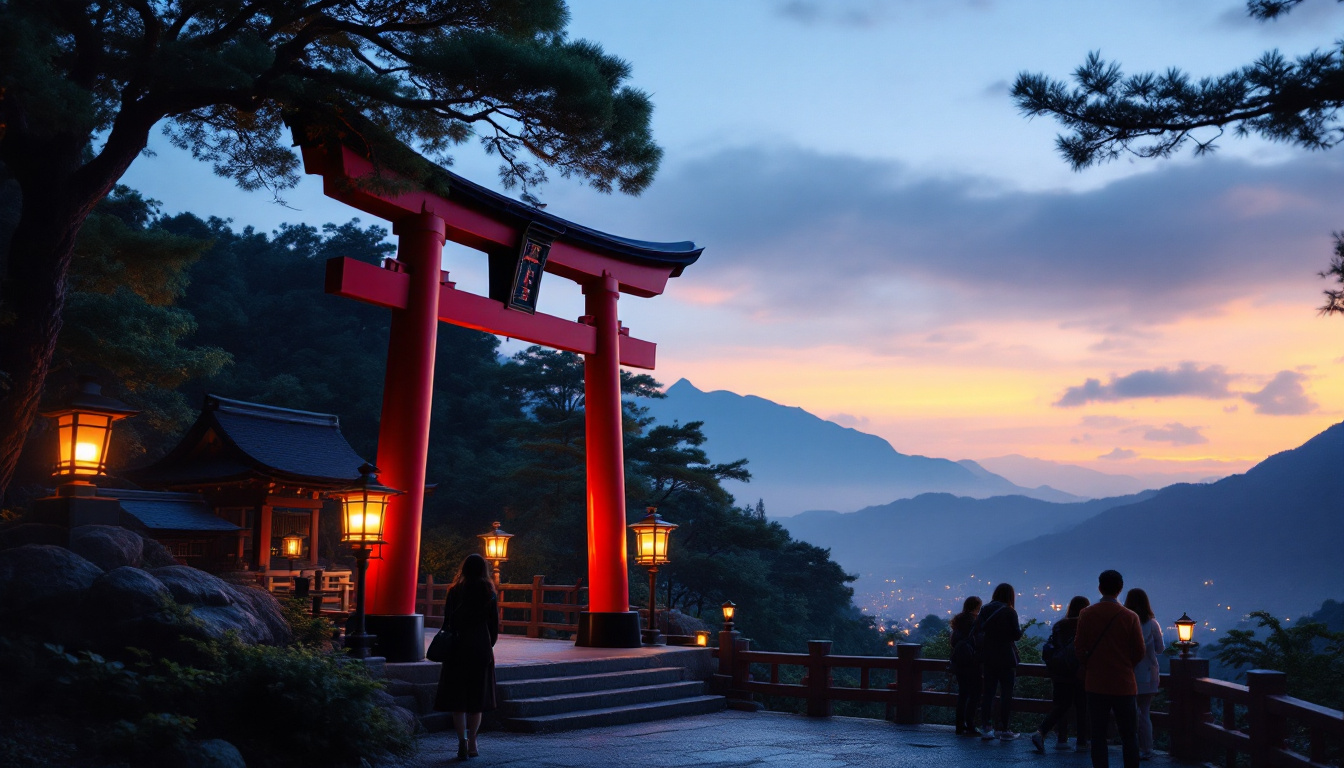
Whether you’re visiting a Shinto shrine, participating in a festival, or simply appreciating the country’s natural beauty, being aware of the Shinto beliefs and customs can offer a deeper understanding of Japan’s unique culture. So, as you embark on your journey in Japan, remember to take a moment to appreciate the kami that inhabit all things, and immerse yourself in the rich spiritual culture that is Shinto.
Ready to explore the spiritual heart of Japan and experience Shinto traditions firsthand? Let Travel2Borders craft your perfect journey. Our expertise in creating custom travel itineraries means you can immerse yourself in the beauty and culture of Japan without the hassle of planning and booking. With our ability to secure better rates on hotels and flights, all you need to do is pack your bags and board the plane. Book your next trip with us and let the adventure begin!