
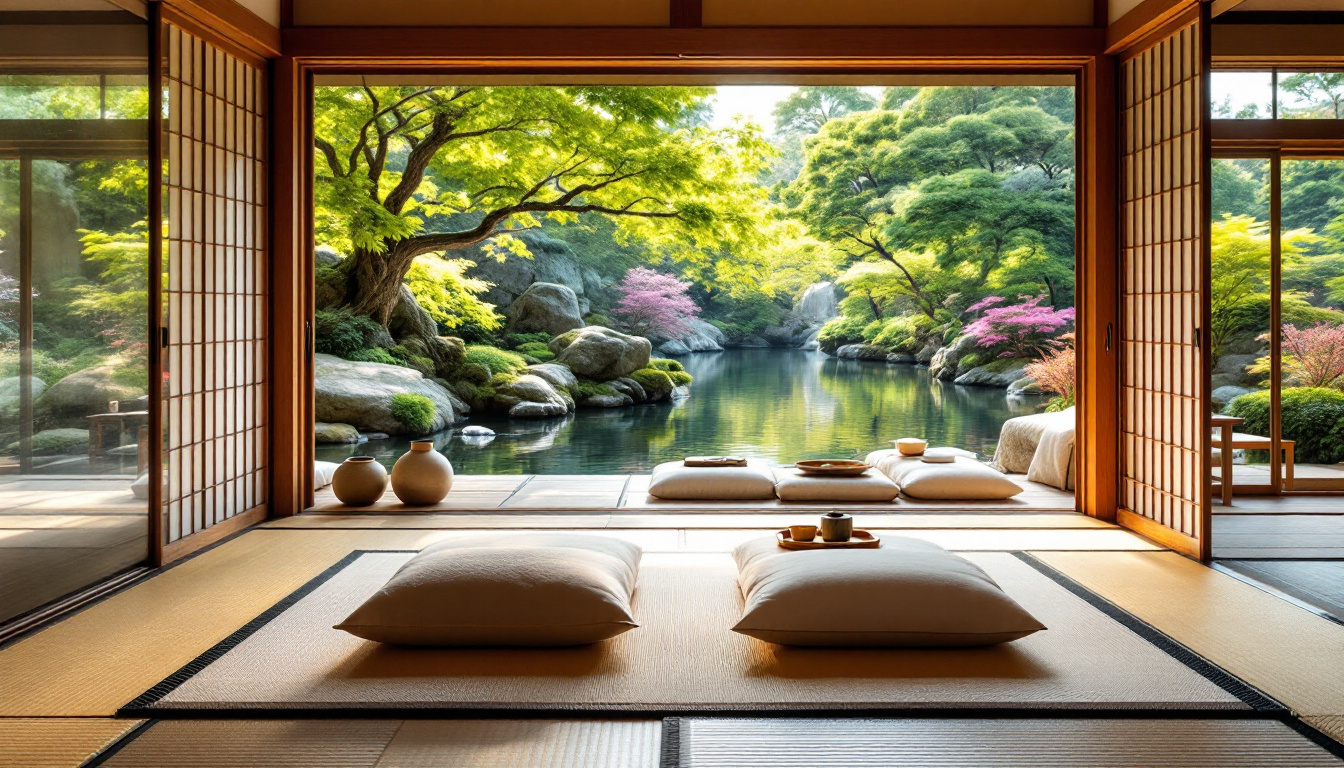
When it comes to traveling in Japan, one of the most unique and authentic experiences you can have is staying in a Ryokan. A Ryokan is a traditional Japanese inn, offering a glimpse into the country’s rich cultural heritage and hospitality. In this glossary article, we will delve into the world of Ryokan, exploring its history, characteristics, etiquette, types, and more. So, whether you’re a seasoned traveler or a first-time visitor to Japan, this comprehensive guide will equip you with everything you need to know about Ryokan.
Understanding the concept of Ryokan is not just about finding a place to stay. It’s about immersing yourself in the Japanese way of life, appreciating the beauty of simplicity, and experiencing the country’s age-old traditions. So, let’s embark on this journey together and discover the charm of Ryokan.
History of Ryokan
The history of Ryokan dates back to the Edo period (1603-1868), a time when Japan was under the rule of the Tokugawa shogunate. These inns were originally established along highways to provide accommodation for travelers, particularly samurai and merchants. They were designed to offer not just a place to sleep, but a space where guests could relax, enjoy a meal, and experience the Japanese way of life.
Over the centuries, Ryokan have evolved, adapting to the changing times and needs of travelers. However, they have retained their traditional charm, offering a unique blend of old-world elegance and modern comforts. Today, Ryokan are found all across Japan, from bustling cities to serene countryside, and they continue to be a popular choice of accommodation for both domestic and international travelers.
The Edo Period Influence
The Edo period was a time of peace and stability in Japan, which led to significant cultural and economic development. This era greatly influenced the concept of Ryokan, with many inns incorporating elements of the ‘sukiya’ architectural style, characterized by simplicity and a close connection with nature. The interior of Ryokan often features tatami mat flooring, sliding paper doors, and a central hearth for heating and cooking.
During this period, the concept of ‘omotenashi’ or selfless hospitality also became deeply ingrained in the Ryokan culture. The innkeepers, known as ‘okami’, would go to great lengths to ensure the comfort and satisfaction of their guests, a tradition that continues to this day.
Characteristics of Ryokan
Staying in a Ryokan is like stepping back in time. From the moment you step through the entrance, you are transported to a world of tranquility and elegance. The architecture and interior design of Ryokan are deeply rooted in Japanese aesthetics, emphasizing simplicity, natural materials, and harmony with the surrounding environment.
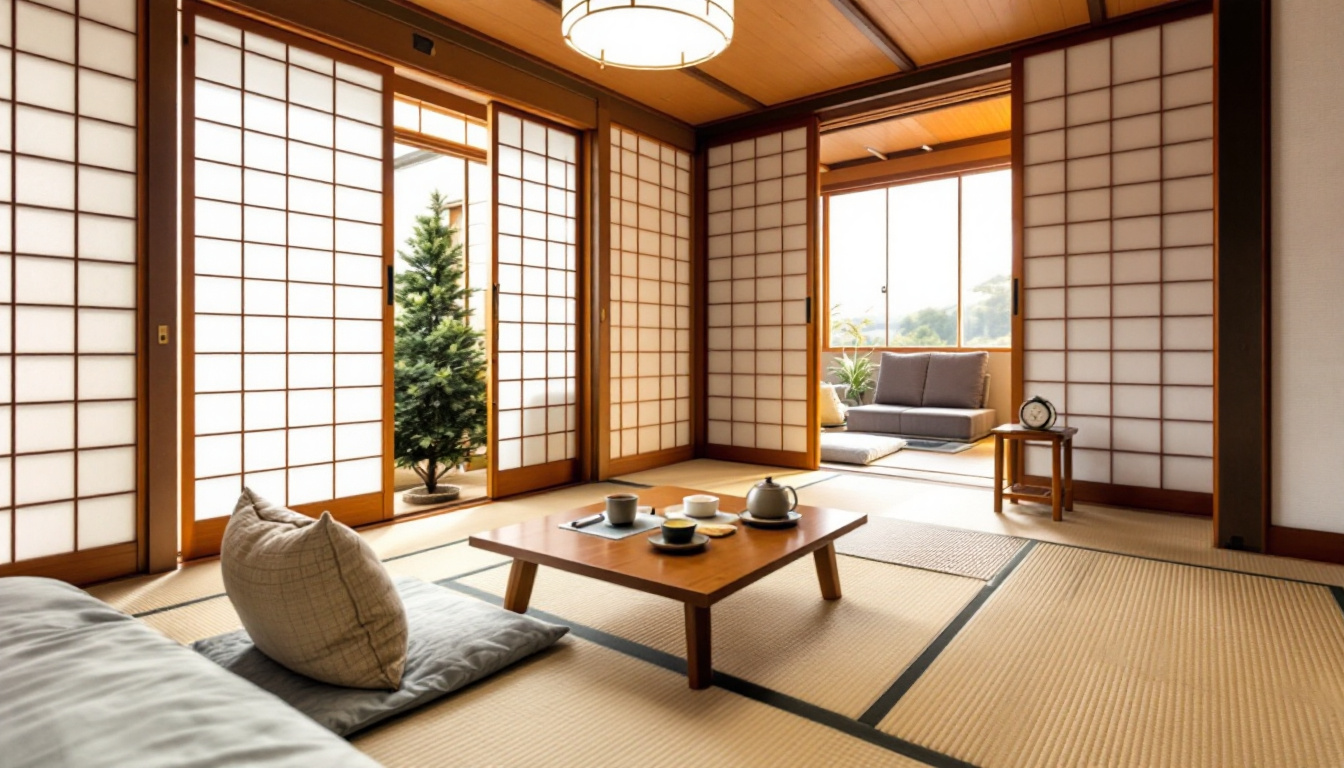
One of the defining features of Ryokan is the ‘tatami’ room. These rooms have straw mat flooring and are typically furnished with a low table and ‘zabuton’ cushions for seating. At night, the table is moved aside, and ‘futon’ bedding is laid out on the tatami floor for sleeping. This multi-purpose use of space is a reflection of the Japanese philosophy of simplicity and efficiency.
Traditional Japanese Cuisine
Another highlight of staying in a Ryokan is the opportunity to savor traditional Japanese cuisine. Most Ryokan offer ‘kaiseki’ meals, a multi-course dinner that showcases the season’s freshest ingredients and the chef’s culinary skills. The meal is served in your room or in a communal dining area, depending on the Ryokan.
Breakfast at a Ryokan is also a unique experience. It typically includes a variety of dishes such as grilled fish, pickled vegetables, rice, and miso soup. The meal is carefully prepared and beautifully presented, reflecting the Japanese appreciation for aesthetics and the art of dining.
Onsen (Hot Spring Baths)
Many Ryokan are located near natural hot springs, known as ‘onsen’. These inns offer communal bathing facilities where guests can soak in the mineral-rich waters and enjoy the health benefits associated with them. The onsen experience is a key part of the Ryokan stay, providing relaxation and rejuvenation after a long day of travel.
It’s worth noting that onsen have their own etiquette, which includes washing thoroughly before entering the bath and not bringing towels into the water. These rules are in place to maintain the cleanliness of the onsen and ensure a pleasant experience for all guests.
Types of Ryokan
While all Ryokan share certain common features, there are different types of Ryokan, each offering a unique experience. The type of Ryokan you choose can greatly influence your stay, so it’s important to understand the differences.
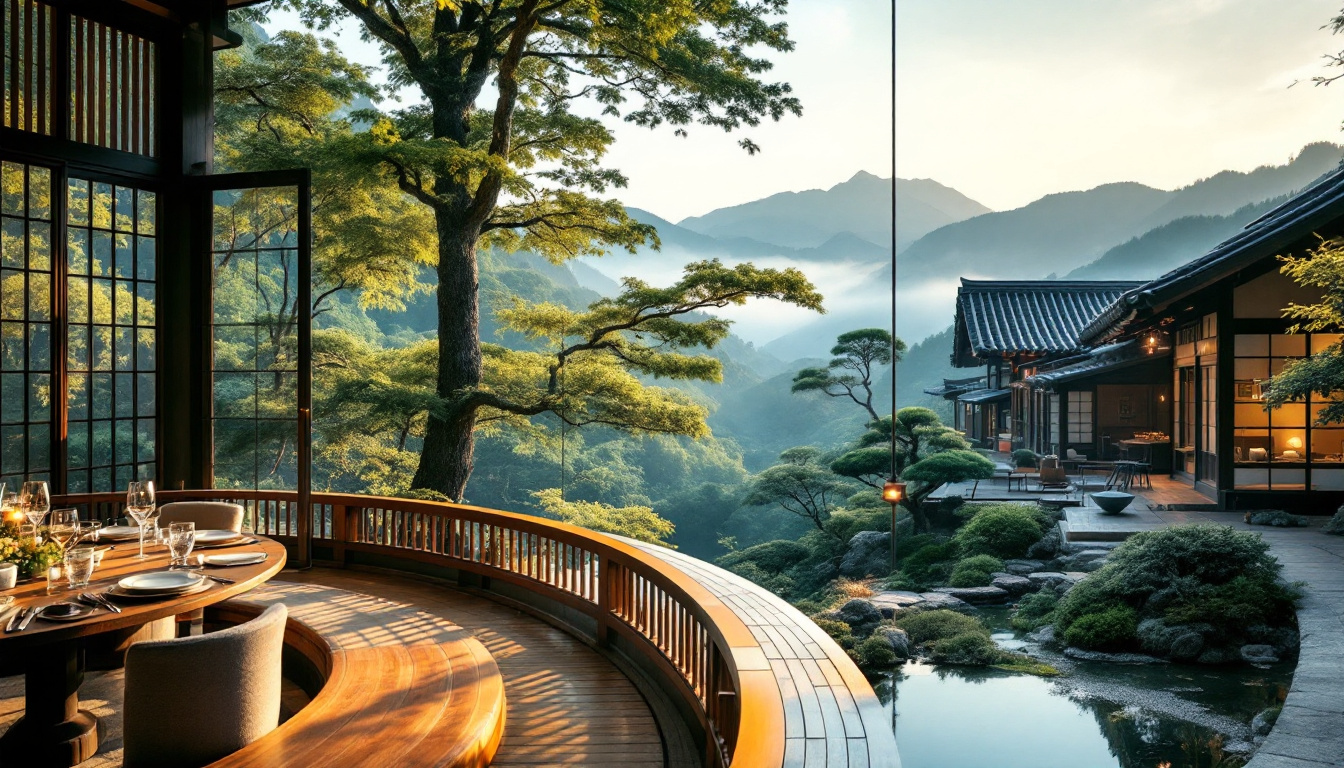
Some Ryokan are small, family-run establishments, offering a cozy and intimate atmosphere. These inns often have just a few rooms, allowing the innkeepers to provide personalized service and attention to each guest. On the other hand, there are also large, luxury Ryokan that offer a wide range of facilities and services, including private onsen, spa treatments, and gourmet dining.
City Ryokan
City Ryokan are typically located in urban areas, providing convenient access to popular tourist attractions, shopping districts, and public transportation. These inns are a great choice for travelers who want to experience traditional Japanese hospitality while staying close to the city’s amenities and attractions.
Despite being in the city, many of these Ryokan manage to create a peaceful and relaxing atmosphere, offering a respite from the hustle and bustle of urban life. They often have gardens or courtyards where guests can enjoy the beauty of nature.
Countryside Ryokan
Countryside Ryokan are located in rural areas, surrounded by nature. These inns offer a tranquil and serene environment, perfect for those seeking relaxation and rejuvenation. Many countryside Ryokan are located near natural hot springs, offering onsen facilities with stunning views of the surrounding landscape.
Staying in a countryside Ryokan also offers the opportunity to experience rural Japan, with its lush rice fields, quaint villages, and traditional customs. These inns often offer activities such as farming experiences, hiking, and local craft workshops, allowing guests to immerse themselves in the local culture.
Etiquette in Ryokan
When staying in a Ryokan, it’s important to be aware of and respect the local customs and etiquette. This not only ensures a pleasant stay for you and other guests, but also helps preserve the traditional culture of Ryokan.
Upon arrival at a Ryokan, you will be asked to remove your shoes and wear the provided slippers. This is a common practice in Japanese homes and inns, reflecting the importance of cleanliness. When entering your tatami room, remember to remove your slippers as they are not worn on tatami mats.
Dining Etiquette
When dining in a Ryokan, there are a few etiquette rules to keep in mind. If your meal is served in your room, wait for the staff to set up the table and explain the dishes before you start eating. It’s customary to say ‘itadakimasu’ (I humbly receive) before starting your meal, and ‘gochisosama’ (thank you for the meal) after finishing.
During the meal, try to eat a little bit of everything, as the chef has carefully selected and prepared each dish. If you have dietary restrictions or preferences, it’s best to inform the Ryokan in advance so they can accommodate your needs.
Onsen Etiquette
When using the onsen, remember to wash thoroughly before entering the bath. Most onsen have a washing area with stools and faucets where you can cleanse yourself. After washing, rinse off the stool and the area around you to keep it clean for the next person.
Once you’re clean, you can enter the bath for a soak. Remember to keep your towel out of the water, usually by placing it on your head or setting it aside. Also, be mindful of others and keep noise to a minimum to maintain the peaceful atmosphere of the onsen.
Booking a Ryokan
Booking a Ryokan is a straightforward process, similar to booking a hotel. There are various online platforms where you can browse Ryokan by location, price, facilities, and reviews. When booking, consider your preferences and needs, such as the type of room, meal options, and onsen facilities.
Keep in mind that Ryokan tend to be more expensive than hotels, especially those that offer kaiseki meals and onsen facilities. However, the experience of staying in a Ryokan is truly unique and worth the cost. It’s not just about having a place to sleep, but about experiencing the Japanese culture, cuisine, and hospitality.
When to Book
The best time to book a Ryokan depends on your travel plans and preferences. If you’re traveling during peak seasons such as the cherry blossom season in spring or the autumn foliage season, it’s recommended to book well in advance as Ryokan can fill up quickly.
On the other hand, if you’re flexible with your travel dates, you might be able to find better deals during the off-peak seasons. Regardless of when you plan to travel, it’s always a good idea to book your Ryokan as soon as you’ve finalized your itinerary.
What to Expect
When you arrive at a Ryokan, you can expect a warm welcome and attentive service. The staff will guide you through the check-in process, explain the facilities and services, and show you to your room. In your room, you’ll find a yukata (cotton kimono) that you can wear during your stay, both inside the Ryokan and when using the onsen.
During your stay, you’ll have the opportunity to experience traditional Japanese living, from sleeping on a futon to dining on a kaiseki meal. You’ll also have plenty of time to relax and unwind, whether it’s soaking in the onsen, strolling in the garden, or simply enjoying the peaceful atmosphere of the Ryokan.
Conclusion
In conclusion, staying in a Ryokan is a must-do experience when traveling in Japan. It offers a unique opportunity to immerse yourself in the country’s culture, cuisine, and hospitality. From the historical charm of the architecture to the exquisite beauty of the kaiseki meals, every aspect of the Ryokan stay is designed to delight the senses and soothe the soul.
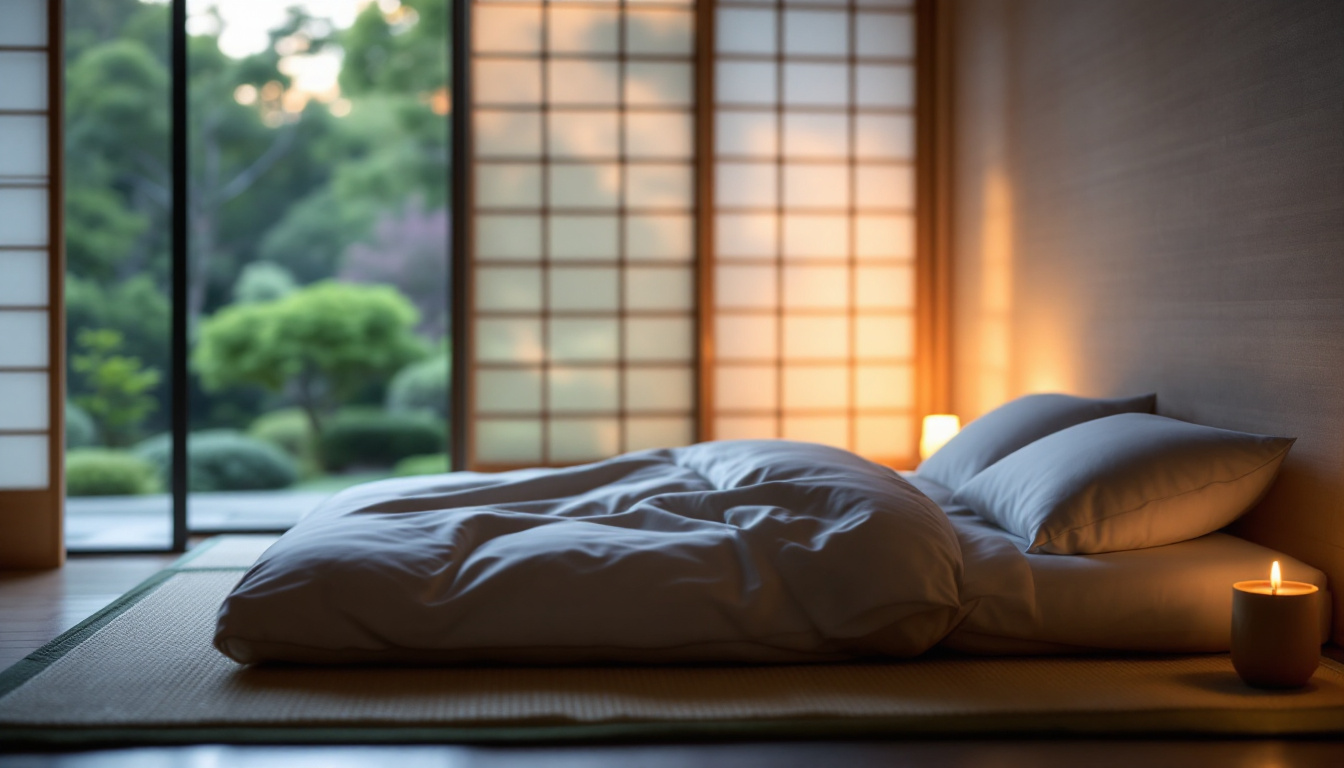
Whether you’re a seasoned traveler or a first-time visitor to Japan, a stay in a Ryokan is sure to be a highlight of your trip. So, why not step off the beaten path and discover the charm of Ryokan? You might just find yourself falling in love with the simplicity, elegance, and warmth of traditional Japanese hospitality.
Ready to embrace the serene beauty and tradition of a Ryokan on your next journey to Japan? Let Travel2Borders craft the perfect itinerary for you, complete with all the bookings and reservations you’ll need for a stress-free adventure. Our expertise ensures you’ll enjoy better rates on hotels and flights, leaving you to simply board the plane and embark on an unforgettable experience. Book your next trip with us and step into the enchanting world of Japanese hospitality.