

Welcome to the world of travel, where the passport is your key to global exploration. This humble booklet, often adorned with a national emblem, is a powerful tool that allows you to cross borders and experience different cultures. But what exactly is a passport, and how does it work? Let’s dive into the fascinating world of passports and their role in international travel.
Passports, in their most basic form, are identification documents issued by a country’s government. They verify the holder’s identity and nationality, acting as an official ‘pass’ that allows the holder to travel internationally. But there’s much more to passports than just this. So, let’s embark on this journey to understand passports in all their glory.
The History of Passports
Passports have a long and intriguing history, dating back to ancient times. The term ‘passport’ itself comes from the French ‘passe port,’ meaning ‘to pass through a port.’ This reflects the document’s original purpose – to allow individuals to pass through ports and other points of entry or exit.
The concept of a travel document can be traced back to the Bible, where Nehemiah received a letter from the king to ensure his safe passage. However, the modern passport as we know it didn’t come into existence until the late 19th and early 20th centuries.
Early Passports
Early passports were quite different from the ones we use today. They were often handwritten and didn’t contain the holder’s photograph. Instead, they included a detailed physical description of the holder, including features like the color of their eyes and the shape of their face.
These documents were not mandatory for travel, and their primary purpose was to offer protection to the holder while they were abroad. They were more like letters of introduction than the identity verification documents we’re familiar with today.
Modern Passports
The modern passport began to take shape in the early 20th century. The League of Nations, the predecessor to the United Nations, held a conference in 1920 where they standardized the design of the passport. This included the addition of a photograph and personal details printed in multiple languages.
Today, passports are machine-readable, contain biometric data, and are issued by governments around the world. They have become an essential part of international travel, with many countries requiring them for entry.
Types of Passports
Not all passports are created equal. There are several different types of passports, each with its own purpose and level of access. The most common types are regular or tourist passports, diplomatic passports, and official or service passports.
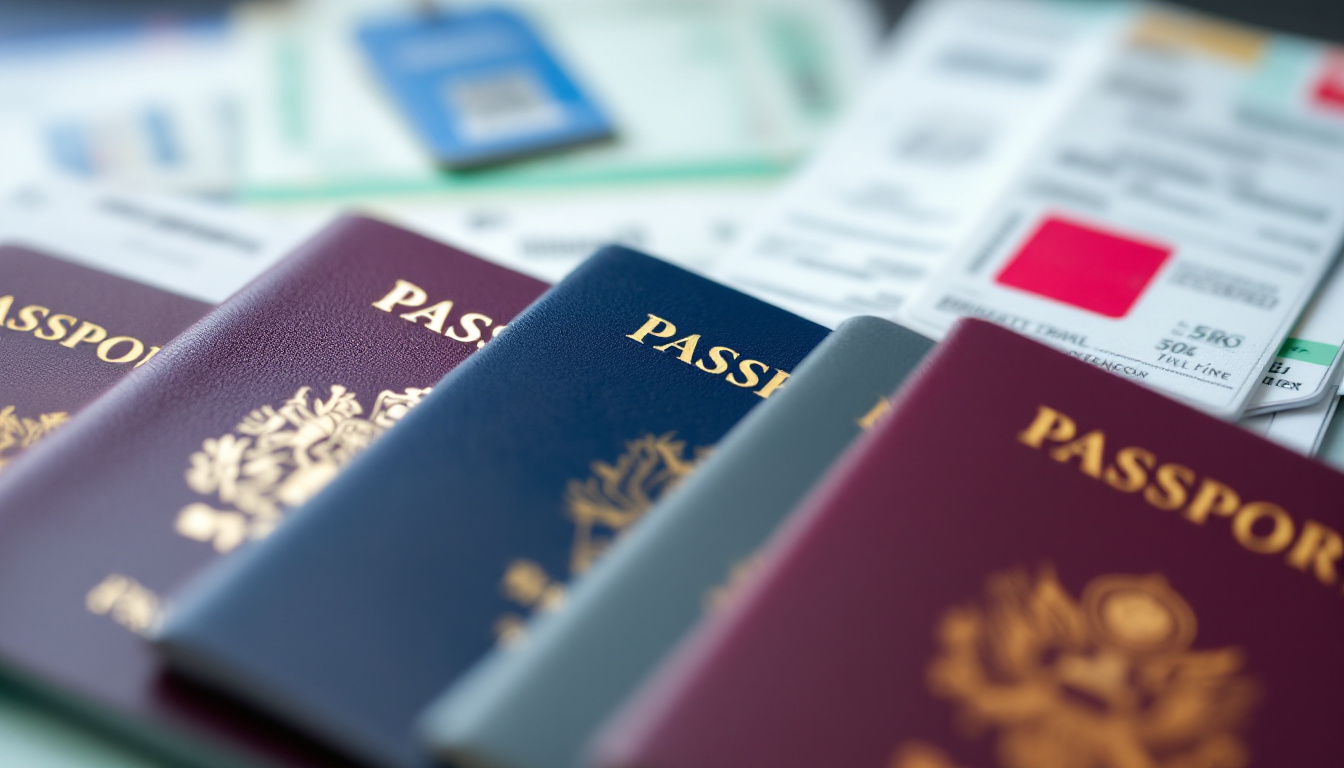
Each type of passport comes with its own set of privileges and restrictions. For example, diplomatic passports often provide the holder with additional protections under international law, while a service passport might be issued to government employees for work-related travel.
Regular or Tourist Passports
Regular or tourist passports are the most common type of passport. They are issued to citizens for personal travel, such as vacations and business trips. These passports are typically valid for ten years and can be renewed upon expiration.
These passports are usually blue or red and contain the holder’s photograph, name, date of birth, nationality, and other personal details. They also contain a machine-readable zone, which makes processing at immigration checkpoints quicker and more efficient.
Diplomatic Passports
Diplomatic passports are issued to diplomats and high-ranking government officials for work-related travel. These passports are often black or dark red and come with additional privileges and protections under the Vienna Convention on Diplomatic Relations.
For example, diplomatic passport holders are often exempt from certain travel restrictions and may receive special treatment at border controls. However, these passports are only valid for the duration of the holder’s diplomatic status.
Passport Power
Passport power refers to the number of countries a passport holder can visit without needing a visa. This varies greatly from country to country, with some passports offering visa-free access to over 180 countries, while others offer access to fewer than 30.
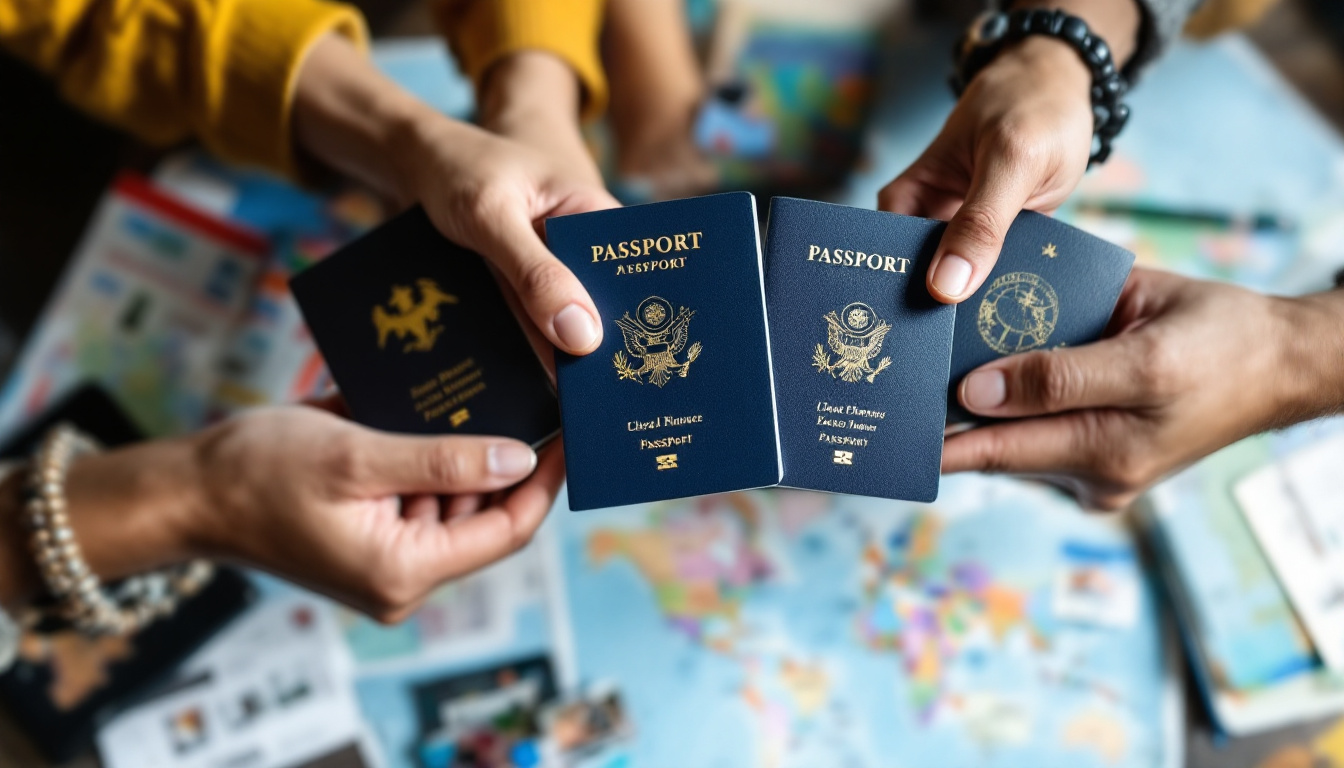
The power of a passport is often linked to economic and diplomatic relations between countries. For example, countries with strong economies and stable political systems often have more powerful passports.
Most Powerful Passports
The most powerful passports in the world are those that offer the most visa-free or visa-on-arrival access to other countries. According to the Henley Passport Index, the Japanese passport is currently the most powerful, offering visa-free access to 193 destinations.
Other countries with powerful passports include Singapore, South Korea, Germany, and Finland. These countries have strong economies, stable political systems, and good diplomatic relations with many other countries.
Least Powerful Passports
On the other end of the spectrum, the least powerful passports are those that offer the least visa-free or visa-on-arrival access. These are often passports from countries with less stable political systems, weaker economies, or strained diplomatic relations.
According to the Henley Passport Index, the least powerful passport is currently the Afghan passport, which offers visa-free access to just 26 destinations. Other countries with less powerful passports include Iraq, Syria, and Somalia.
Applying for a Passport
Applying for a passport can be a straightforward process, but it does require some preparation. You’ll need to gather the necessary documents, fill out an application form, and pay a fee. In some cases, you may also need to attend an interview or provide additional documentation.

The exact process can vary depending on your country of residence, but most countries have similar requirements. Let’s take a closer look at the steps involved in applying for a passport.
Gathering Necessary Documents
The first step in applying for a passport is to gather the necessary documents. This usually includes proof of citizenship, such as a birth certificate or naturalization certificate, and proof of identity, such as a driver’s license or government-issued ID card.
You’ll also need to provide a recent photograph that meets your country’s passport photo requirements. This usually means a color photo taken within the last six months, with a neutral facial expression and a plain white or off-white background.
Filling Out the Application Form
Once you have your documents ready, the next step is to fill out the passport application form. This form asks for basic information like your name, date of birth, place of birth, and contact information. It also asks for details about your parents and your citizenship status.
It’s important to fill out this form accurately and completely, as any errors or omissions can delay the processing of your application. Once you’ve filled out the form, you’ll need to sign and date it.
Paying the Fee and Submitting the Application
The final step in the application process is to pay the passport fee and submit your application. The fee varies depending on your country and the type of passport you’re applying for, but it usually ranges from $100 to $200.
You can submit your application in person at a passport office or by mail. If you’re applying in person, you may need to make an appointment first. Once you’ve submitted your application, all you need to do is wait for your new passport to arrive.
Using Your Passport
Once you have your passport in hand, you’re ready to start planning your international travels. But before you pack your bags, there are a few things you should know about using your passport.
First, it’s important to keep your passport safe and secure at all times. This means keeping it in a safe place when you’re not using it, and being careful not to lose it or let it get damaged. If your passport is lost or stolen, you’ll need to report it immediately and apply for a replacement.
At the Airport
When you arrive at the airport for your international flight, you’ll need to show your passport at several points. First, you’ll show it at the airline check-in desk when you check your bags and receive your boarding pass. Then, you’ll show it again at the security checkpoint.
Finally, you’ll show your passport one last time at the gate before boarding your flight. At each of these points, the airline or security personnel will check your passport to make sure it’s valid and matches your ticket information.
At the Border
When you arrive in a foreign country, you’ll need to go through immigration control. This is where you’ll show your passport to the immigration officer, who will check it and stamp it with the date of your entry.
It’s important to remember that having a passport doesn’t guarantee you entry into a foreign country. The immigration officer has the final say on whether you’re allowed to enter, and they can deny entry for a variety of reasons, such as if they believe you’re planning to stay longer than allowed or if you don’t have the necessary visa.
During Your Stay
While you’re in a foreign country, it’s a good idea to keep your passport with you at all times. You may need to show it as identification, such as when checking into a hotel or when using a credit card. However, you should also keep a photocopy of your passport in a separate place, in case it gets lost or stolen.
When it’s time to leave the country, you’ll need to show your passport again at immigration control. The officer will check your passport, stamp it with the date of your departure, and then you’re on your way home.
Passport Expiration and Renewal
Passports don’t last forever. They have an expiration date, usually ten years from the date of issue for adults and five years for children. It’s important to be aware of this date, as many countries require that your passport be valid for six months beyond the date of your planned departure.
When your passport is nearing its expiration date, it’s time to start thinking about renewal. The process for renewing a passport is similar to the process for applying for a new one, but there are a few differences.
When to Renew
It’s a good idea to renew your passport about nine months before it expires. This gives you plenty of time to go through the renewal process and receive your new passport before your old one expires.
If you’re planning to travel internationally and your passport is set to expire within the next year, you may want to renew it sooner. As mentioned earlier, many countries require that your passport be valid for six months beyond your planned departure date.
How to Renew
The process for renewing a passport is similar to the process for applying for a new one. You’ll need to fill out a renewal application form, provide a new passport photo, and pay the renewal fee.
In many countries, you can renew your passport by mail, which makes the process easier and more convenient. However, if your current passport is damaged or if you were under 16 when it was issued, you’ll need to apply in person.
Getting Your New Passport
Once you’ve submitted your renewal application, all you need to do is wait for your new passport to arrive. The processing time can vary depending on your country and the time of year, but it usually takes a few weeks.
When your new passport arrives, make sure to check it carefully to ensure that all the information is correct. If there are any errors, contact the passport office immediately to have them corrected.
Conclusion
Passports are a vital tool for international travel. They’re your ticket to exploring the world, allowing you to cross borders and experience new cultures. Whether you’re a seasoned traveler or planning your first international trip, understanding how passports work can make your travels smoother and more enjoyable.
From their historical origins to the modern biometric booklets we use today, passports have evolved to become sophisticated tools of identification and security. So, the next time you open your passport, take a moment to appreciate the history and complexity that lies within its pages. Safe travels!
Now that you’re equipped with the knowledge of how passports unlock the wonders of the world, it’s time to put that knowledge to use. Let Travel2Borders craft the perfect journey for you. Our expertise in creating custom travel itineraries means you can enjoy a hassle-free adventure, tailored just for you. We handle all the bookings and reservations, ensuring you get the best rates on hotels and flights. Your only task is to pack your bags and head to the airport. Ready for the trip of a lifetime? Book your next trip with us and turn your travel dreams into reality.