
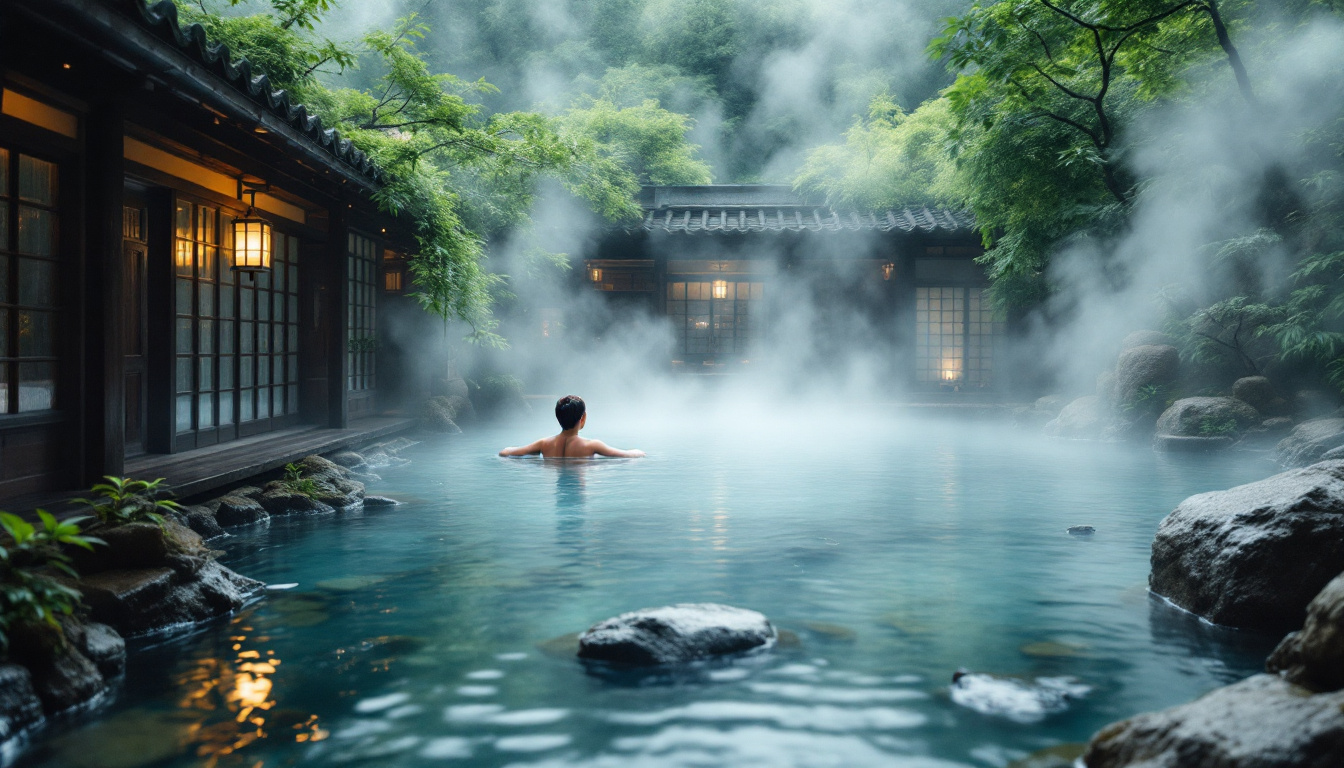
When it comes to traveling in Japan, one of the most unique and quintessential experiences you can have is visiting an onsen. An onsen is a Japanese hot spring, and the term can also refer to the bathing facilities and traditional inns often situated around these hot springs. In this glossary entry, we will dive deep into the world of onsens, exploring their history, cultural significance, types, etiquette, and health benefits, as well as some of the most famous onsens you can visit in Japan.
Japan is a volcanic country, which means there are thousands of onsens scattered throughout its islands. These hot springs have been a part of Japanese culture for over a thousand years, providing a place for people to relax, rejuvenate, and even heal. They are deeply ingrained in the Japanese way of life and are a must-visit for any traveler wanting to experience the true essence of Japan.
History of Onsen
The history of onsens in Japan dates back to the 6th century, making them an integral part of Japanese culture and tradition. They were originally used for their healing properties, as the mineral-rich waters were believed to cure various ailments. Over time, they evolved into places for relaxation and socialization, with many onsens being located in scenic areas to enhance the bathing experience.
The first recorded onsen was in the city of Dogo, Ehime, which is still operational today. The Dogo Onsen Honkan, a wooden public bathhouse dating back to 1894, is a designated Important Cultural Property of Japan. Over the centuries, onsens have played a significant role in Japanese literature, art, and folklore, further cementing their cultural importance.
Onsens in Religion and Folklore
Onsens also have a religious significance in Japan. They are often associated with Shintoism, the indigenous religion of Japan, which holds a deep reverence for nature. Many onsens are located near Shinto shrines, and the act of bathing in an onsen is seen as a form of purification.
In Japanese folklore, onsens are often depicted as the dwelling places of kami (gods or spirits). One famous legend tells of a wounded white heron that healed its injured leg by soaking in an onsen in the city of Ibusuki, leading to the belief that onsens have healing properties.
Types of Onsen
There are many types of onsens in Japan, each offering a unique bathing experience. The types of onsens are usually determined by the mineral content of the water, which can vary greatly depending on the geographical location of the hot spring.
Some of the most common types of onsens include sulfur onsens, which have a distinctive smell and are believed to help with skin diseases; salt onsens, which are known for their salinity and are said to help with muscle pain; and iron onsens, which have a reddish-brown water color and are thought to help with anemia.
Outdoor and Indoor Onsens
Onsens can also be categorized based on their location. Outdoor onsens, or rotenburo, are located in the open air, often surrounded by natural scenery. Bathing in a rotenburo allows you to enjoy the beauty of nature while soaking in the hot spring.
Indoor onsens, on the other hand, are located inside buildings. They often have a more controlled environment and can be used in any weather. Many indoor onsens are part of ryokans (traditional Japanese inns), allowing guests to enjoy the onsen experience without leaving their accommodation.
Onsen Etiquette
Visiting an onsen in Japan involves following a specific set of rules and etiquette. These customs are deeply rooted in the Japanese culture and are important to respect when visiting an onsen.
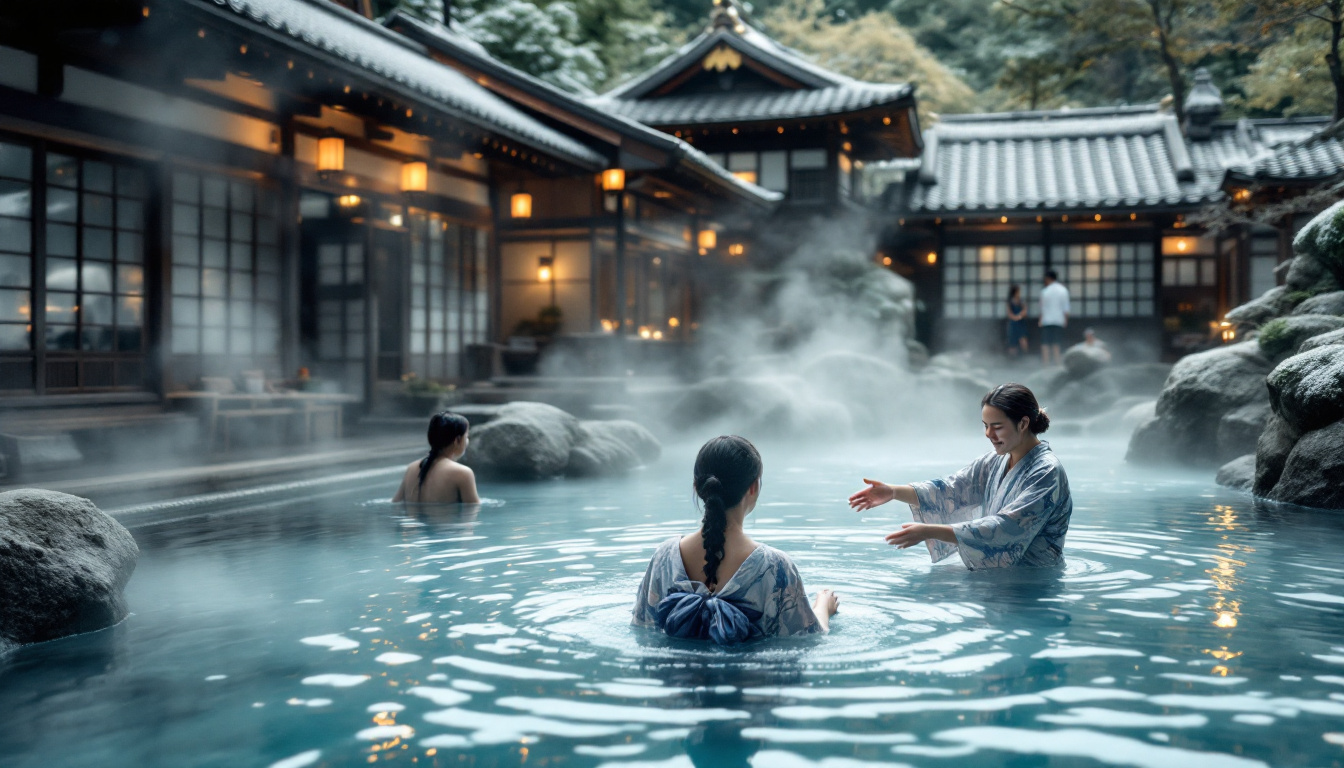
Before entering the onsen, you are expected to thoroughly wash and rinse your body in the washing area. This is to ensure that the onsen water remains clean for everyone. Once you are clean, you can then enter the onsen, making sure to tie up long hair and keeping your towel out of the water.
Tattoos and Onsens
In Japan, tattoos have traditionally been associated with the yakuza (Japanese organized crime syndicates), and as a result, many onsens have policies against allowing tattooed individuals to bathe. However, with the increasing number of foreign tourists and changing attitudes towards tattoos, some onsens have started to relax these rules.
If you have tattoos and wish to visit an onsen, it’s best to research in advance to find tattoo-friendly onsens or consider using a skin-colored patch to cover your tattoos.
Health Benefits of Onsen
The waters of onsens are rich in minerals like sulfur, sodium, and magnesium, which are absorbed by the body during bathing. These minerals are believed to have various health benefits, making onsens a popular destination for health and wellness tourism in Japan.
Some of the reported health benefits of onsen include improved circulation, relief from muscle and joint pain, better skin health, stress relief, and improved sleep. It’s also believed that regular onsen baths can boost the immune system and help with certain chronic diseases.
Onsen and Mental Health
Aside from the physical benefits, onsens also offer mental health benefits. The act of bathing in an onsen, particularly in an outdoor onsen surrounded by nature, can be incredibly relaxing and therapeutic.
The warm water, the serene environment, and the sense of communal bathing can help reduce stress, promote relaxation, and improve overall mood. In fact, onsens are often recommended as a form of natural therapy for those dealing with stress and anxiety.
Famous Onsens in Japan
Japan is home to many famous onsens, each with its own unique charm and appeal. Some of these onsens are located in large onsen towns, where you can find a variety of onsen facilities, traditional inns, and local attractions.
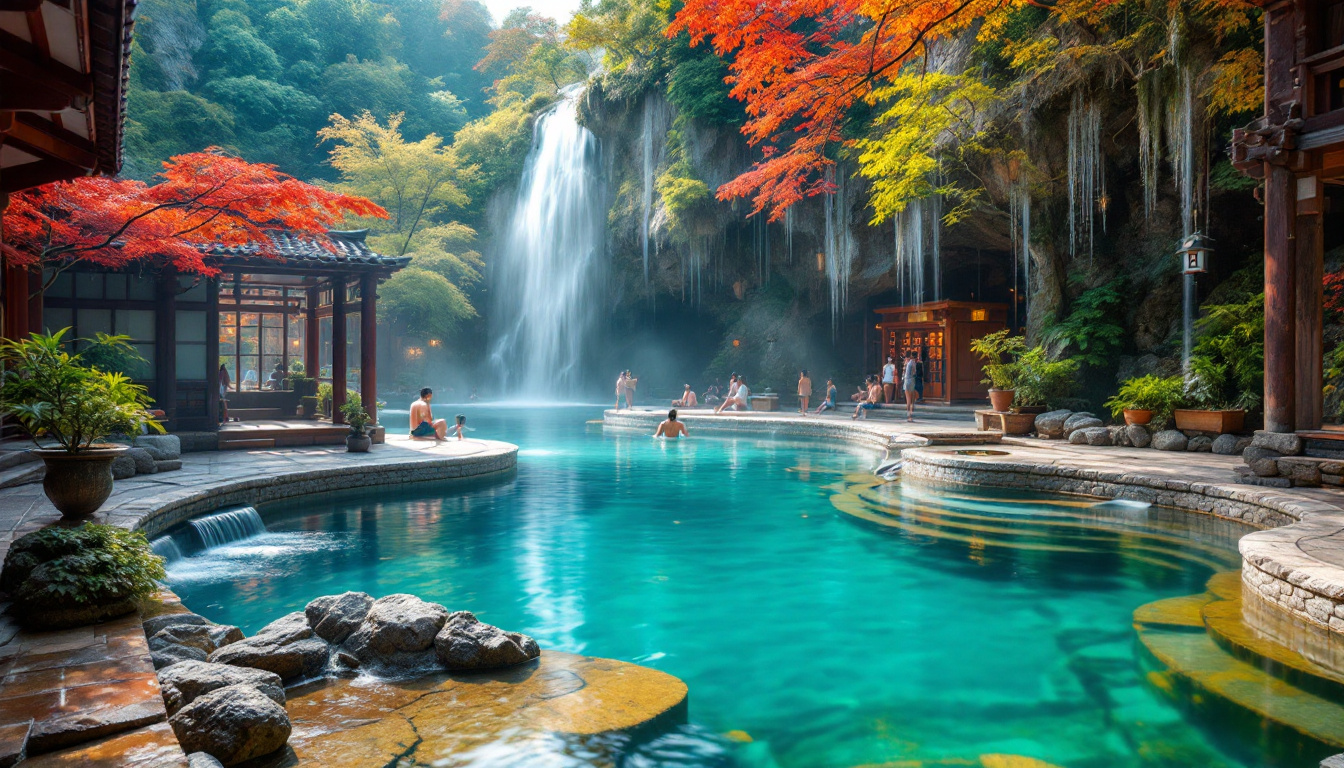
Some of the most famous onsen towns in Japan include Hakone, known for its scenic views of Mount Fuji; Beppu, known for its “hell” onsens with unique colors and properties; and Kusatsu, known for its sulfuric waters and traditional yubatake (hot water field).
Notable Onsens
Some onsens in Japan are particularly notable for their unique features or historical significance. The Dogo Onsen in Ehime is considered one of the oldest onsens in Japan and is a popular destination for its historic bathhouse.
The Nyuto Onsen in Akita is famous for its seven traditional ryokan inns, each with its own private onsen. The Kurokawa Onsen in Kumamoto is known for its picturesque village setting and the opportunity to do an onsen-hopping tour.
Conclusion
Visiting an onsen is a truly unique experience that offers a glimpse into the traditional Japanese way of life. Whether you’re seeking relaxation, healing, or cultural immersion, an onsen visit is sure to be a highlight of your trip to Japan.
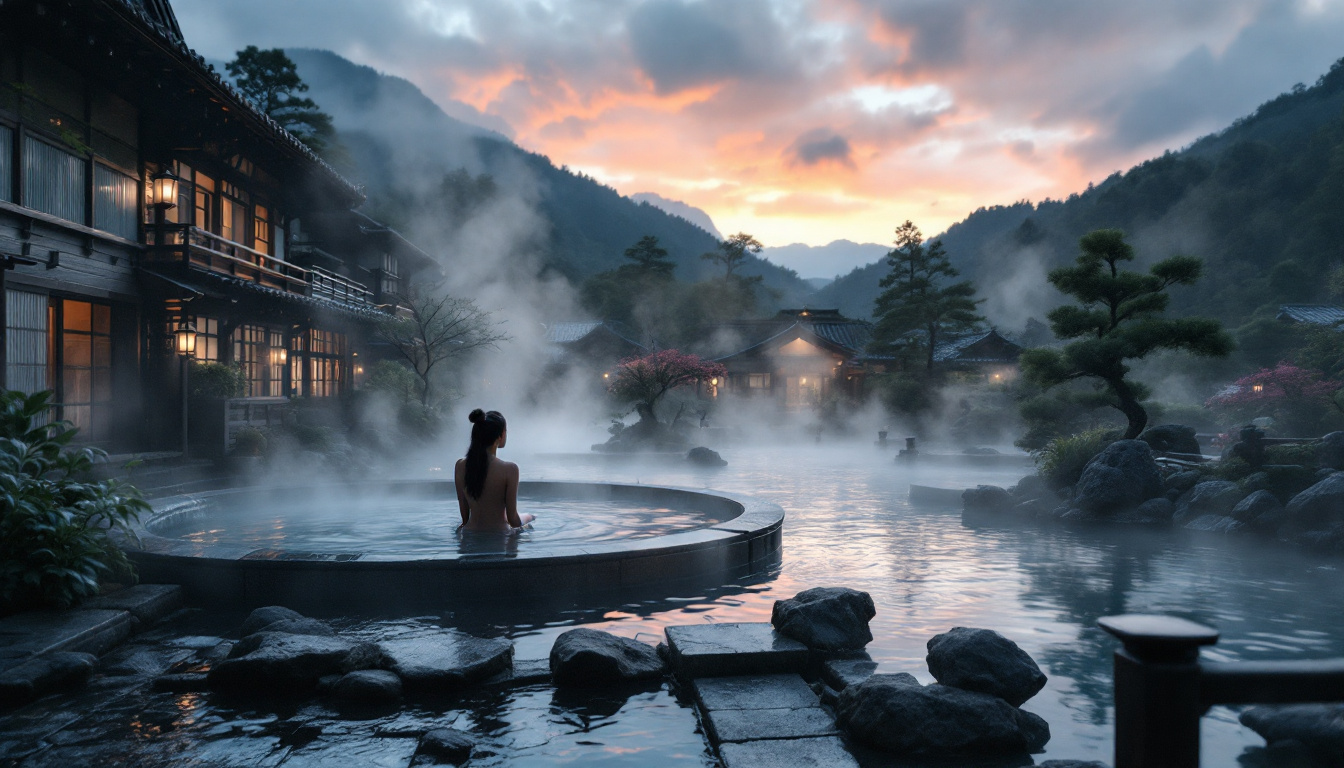
Remember to respect the etiquette, embrace the communal spirit, and take the time to soak in not just the mineral-rich waters, but also the rich culture and history that surrounds these hot springs. Happy soaking!
Ready to immerse yourself in the soothing waters of a Japanese onsen? Let Travel2Borders craft the perfect travel itinerary for you. Our expertise in creating tailor-made journeys ensures that all you need to do is pack your bags and head to the airport. We handle all the bookings and reservations, and we’re adept at securing better rates on hotels and flights. Book your next trip with us and prepare for an unforgettable cultural and relaxing experience in Japan’s renowned hot springs.