
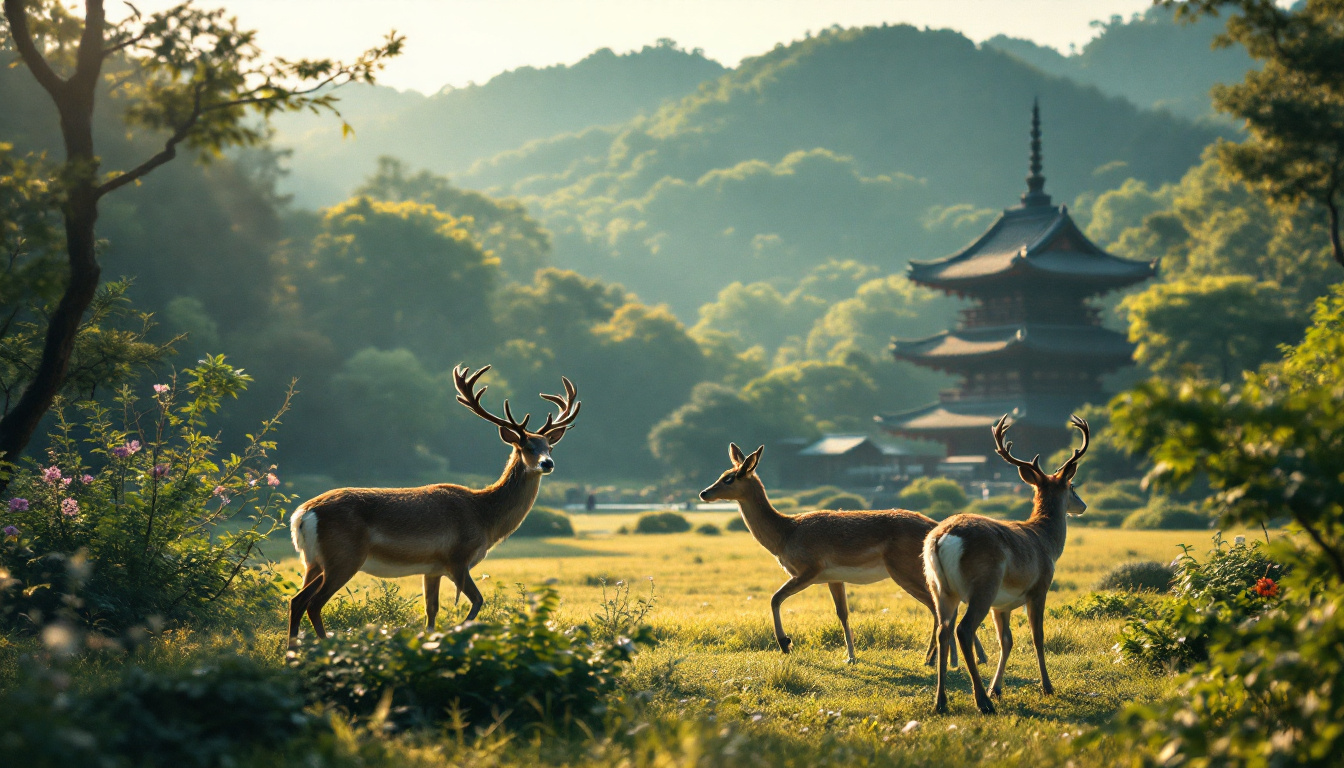
Nara Park, often referred to as “Deer Park,” is a public park located in the city of Nara, Japan. As one of the country’s oldest parks, it is home to hundreds of freely roaming deer and several significant historical sites. This guide will provide a comprehensive understanding of Nara Park, its history, attractions, and the unique experiences it offers to visitors.
Traveling in Japan can be a truly enriching experience, and a visit to Nara Park is often a highlight for many. With its serene landscapes, historical monuments, and friendly deer, the park offers a unique blend of natural beauty and cultural heritage. Whether you’re a history buff, nature lover, or just a curious traveler, Nara Park has something for everyone.
History of Nara Park
The history of Nara Park is deeply intertwined with the history of Nara city itself. Established in 1880, the park is part of the historic capital of Japan, which dates back to the 8th century. The park and its surrounding areas are steeped in history, with many of its structures and temples being designated as UNESCO World Heritage Sites.
The deer in Nara Park have been considered sacred and protected since ancient times due to a local legend. According to the legend, a god from Kashima Shrine traveled to Nara on a white deer. Since then, the deer have been considered divine and sacred messengers of the gods. This belief led to the protection and care of the deer, a tradition that continues to this day.
Historical Significance
The historical significance of Nara Park extends beyond its beautiful landscapes and charming deer. The park is home to some of the most important cultural properties of Japan, including Todai-ji Temple, Kofuku-ji Temple, and Kasuga Taisha Shrine. These sites represent the rich cultural and historical heritage of Japan, making Nara Park a must-visit destination for history enthusiasts.
Furthermore, Nara Park’s history is closely tied to the cultural development of Japan. The city of Nara was the capital of Japan from 710 to 784, a period known as the Nara Period. During this time, many cultural and architectural advancements were made, many of which can still be seen in Nara Park and its surrounding areas.
Changes Over Time
Over the centuries, Nara Park has seen numerous changes. From the fluctuating deer population to the restoration of historical structures, the park has evolved while maintaining its cultural significance. Despite these changes, the park’s primary purpose remains the same: to preserve and showcase the cultural heritage of Nara.
One of the most notable changes in Nara Park is the increase in its deer population. From a few hundred deer in the early 20th century, the park is now home to over 1,200 deer. This increase is largely due to the protection and care provided by the local government and the Nara Deer Preservation Foundation.
Attractions in Nara Park
Nara Park is not just about its deer; it’s also home to several attractions that offer insights into Japan’s history and culture. From ancient temples and shrines to museums and gardens, there’s plenty to see and do in the park.
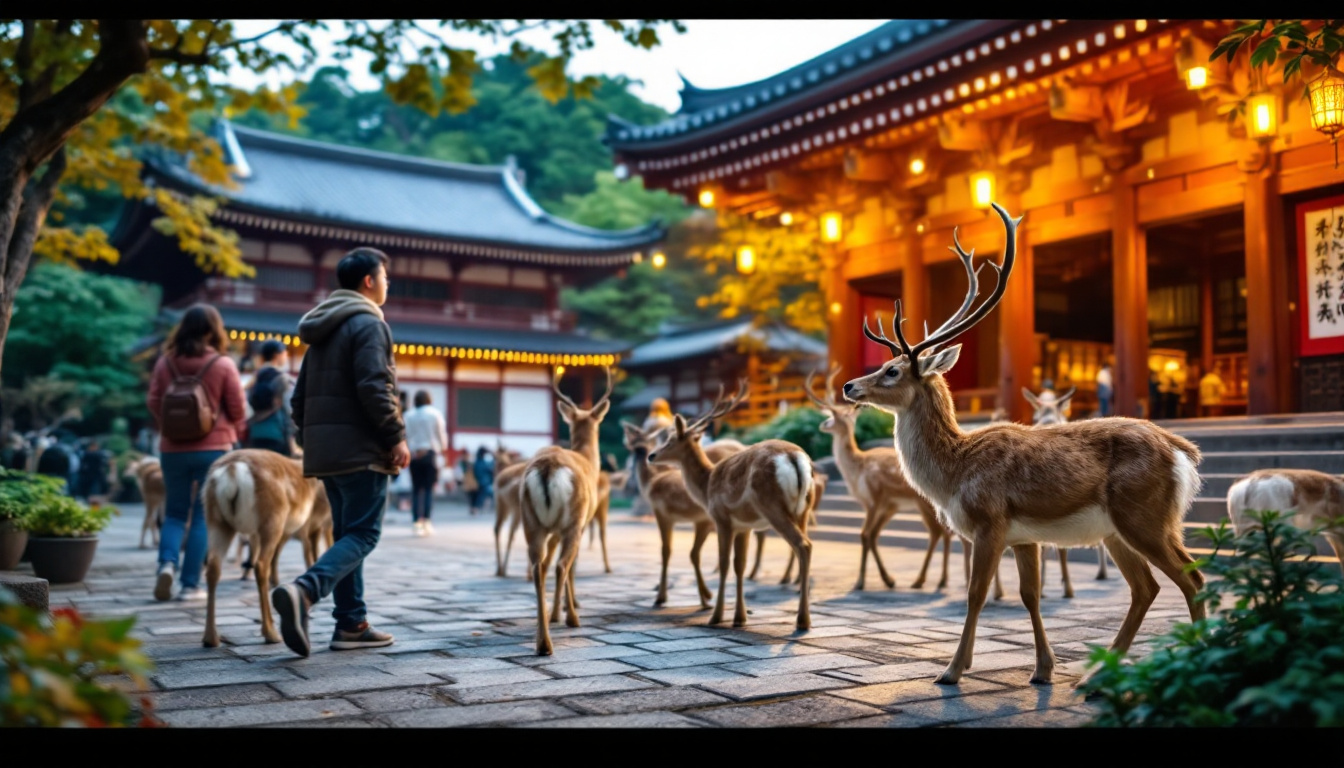
One of the most famous attractions in Nara Park is Todai-ji Temple, home to the world’s largest bronze statue of Buddha. Another notable attraction is Kasuga Taisha Shrine, known for its thousands of stone and bronze lanterns. The Nara National Museum, also located within the park, houses a vast collection of Buddhist art, including statues, paintings, and scriptures.
Todai-ji Temple
Todai-ji Temple is one of the most significant and popular attractions in Nara Park. The temple is known for its Great Buddha Hall, which houses the world’s largest bronze statue of Buddha, known as Daibutsu. The statue, standing at over 15 meters tall, is a sight to behold and a testament to Japan’s rich Buddhist tradition.
The temple complex also includes several other structures, such as the Nandaimon Gate, Hokke-do Hall, and Kaidan-in Hall. Each of these structures has its own historical and architectural significance, making a visit to Todai-ji Temple a truly enriching experience.
Kasuga Taisha Shrine
Kasuga Taisha Shrine is another must-visit attraction in Nara Park. Established in 768, the shrine is known for its thousands of stone and bronze lanterns, which are lit during the Lantern Festivals in February and August. The shrine is also famous for its beautiful wisteria gardens, which bloom in late April and early May.
The shrine complex includes several auxiliary shrines, a treasure house, and a botanical garden. The treasure house displays various artifacts, including mirrors, masks, and swords, while the botanical garden features about 200 species of plants mentioned in Japanese myths and legends.
Experiences in Nara Park
Nara Park offers a variety of experiences that allow visitors to immerse themselves in Japanese culture and history. Whether it’s feeding the deer, exploring the historical sites, or participating in cultural events, there’s always something to do in the park.
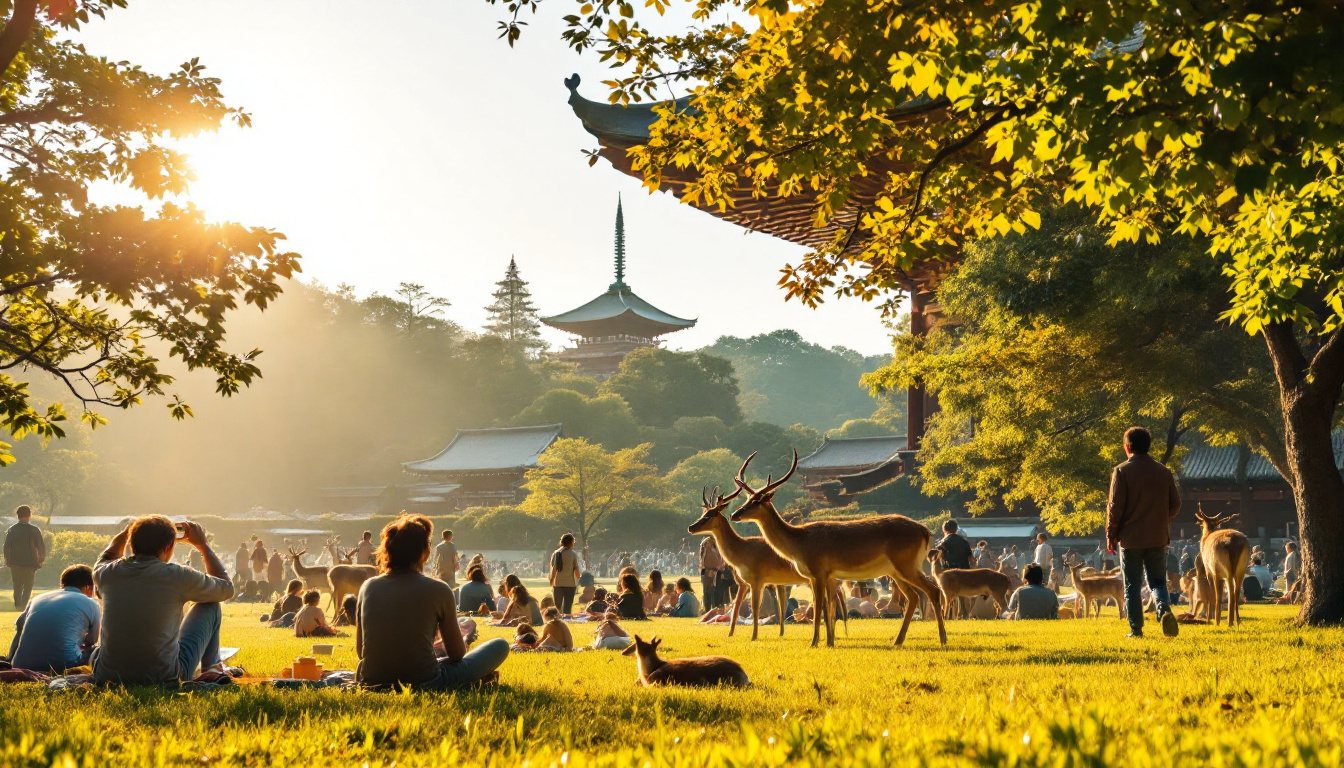
One of the most popular activities in Nara Park is feeding the deer. Visitors can buy “deer crackers” (shika senbei) from vendors around the park to feed the deer. However, it’s important to remember that these deer are wild animals, so it’s recommended to follow the park’s guidelines when interacting with them.
Exploring Historical Sites
Exploring the historical sites in Nara Park is a must-do for any visitor. The park is home to several UNESCO World Heritage Sites, each with its own unique history and architectural style. Walking around these sites, you can learn about Japan’s history, religion, and culture.
Whether it’s the grandeur of Todai-ji Temple, the tranquility of Kasuga Taisha Shrine, or the historical artifacts in the Nara National Museum, each site offers a unique perspective on Japan’s cultural heritage. Guided tours are also available for those who want a more in-depth understanding of these sites.
Participating in Cultural Events
Nara Park hosts several cultural events throughout the year, providing visitors with an opportunity to experience Japanese traditions firsthand. These events include the Lantern Festivals at Kasuga Taisha Shrine, the Omizutori Water-Drawing Festival at Todai-ji Temple, and the Deer Antler-Cutting Ceremony.
Participating in these events can be a memorable experience, allowing you to immerse yourself in Japanese culture. Whether it’s watching the lanterns light up the night sky during the Lantern Festivals or witnessing the ancient ritual of the Omizutori Festival, these events offer a unique glimpse into Japan’s rich cultural traditions.
Visiting Nara Park
Visiting Nara Park can be an enriching experience, but it’s important to plan your visit carefully to make the most of your time. The park is open year-round, but the opening hours of the attractions within the park may vary. It’s also worth noting that the park can get quite crowded during peak tourist seasons and during special events.
When visiting Nara Park, it’s recommended to wear comfortable shoes as there’s a lot of walking involved. It’s also a good idea to bring a map of the park, which can be obtained from the tourist information center or downloaded online. Lastly, remember to respect the park’s rules and guidelines to ensure a pleasant visit for everyone.
Best Time to Visit
The best time to visit Nara Park depends on what you want to see and do. The park is beautiful all year round, but each season offers a unique experience. Spring is a popular time to visit due to the cherry blossom season, while autumn offers stunning fall foliage. Winter, although cold, can be a magical time to visit with fewer crowds and snow-covered landscapes.
It’s also worth considering the timing of the cultural events when planning your visit. For instance, if you want to witness the Lantern Festivals at Kasuga Taisha Shrine, you should plan your visit in February or August. Similarly, the Deer Antler-Cutting Ceremony takes place in October, while the Omizutori Water-Drawing Festival is held in March.
Getting to Nara Park
Getting to Nara Park is relatively easy as it’s well-connected by public transportation. The park is a 10-minute walk from Kintetsu Nara Station or about a 20-minute walk from JR Nara Station. There are also buses that stop near the park, making it accessible for those who prefer not to walk.
If you’re coming from other major cities in Japan, such as Tokyo or Kyoto, you can take the Shinkansen (bullet train) to Kyoto Station and then take a local train to Nara. Alternatively, there are direct buses from Osaka and Kyoto that stop near Nara Park.
Conclusion
Nara Park is a treasure trove of cultural heritage and natural beauty. With its freely roaming deer, historical sites, and cultural events, the park offers a unique and enriching experience for visitors. Whether you’re a history buff, nature lover, or just a curious traveler, Nara Park is a must-visit destination when traveling in Japan.

So, pack your bags, put on your walking shoes, and get ready to explore the charm and history of Nara Park. From feeding the deer to exploring ancient temples, every moment spent in Nara Park is sure to be a memorable one. Happy traveling!
Ready to experience the enchanting allure of Nara Park for yourself? Let Travel2Borders craft the perfect itinerary for your Japanese adventure. Our expertise in custom travel planning means you can enjoy the historic temples and friendly deer without the hassle of booking and reservations. Plus, we’ll secure better rates on hotels and flights, ensuring your journey is as cost-effective as it is unforgettable. Book your next trip with us and embark on a seamless and memorable exploration of Japan’s cultural treasures.