
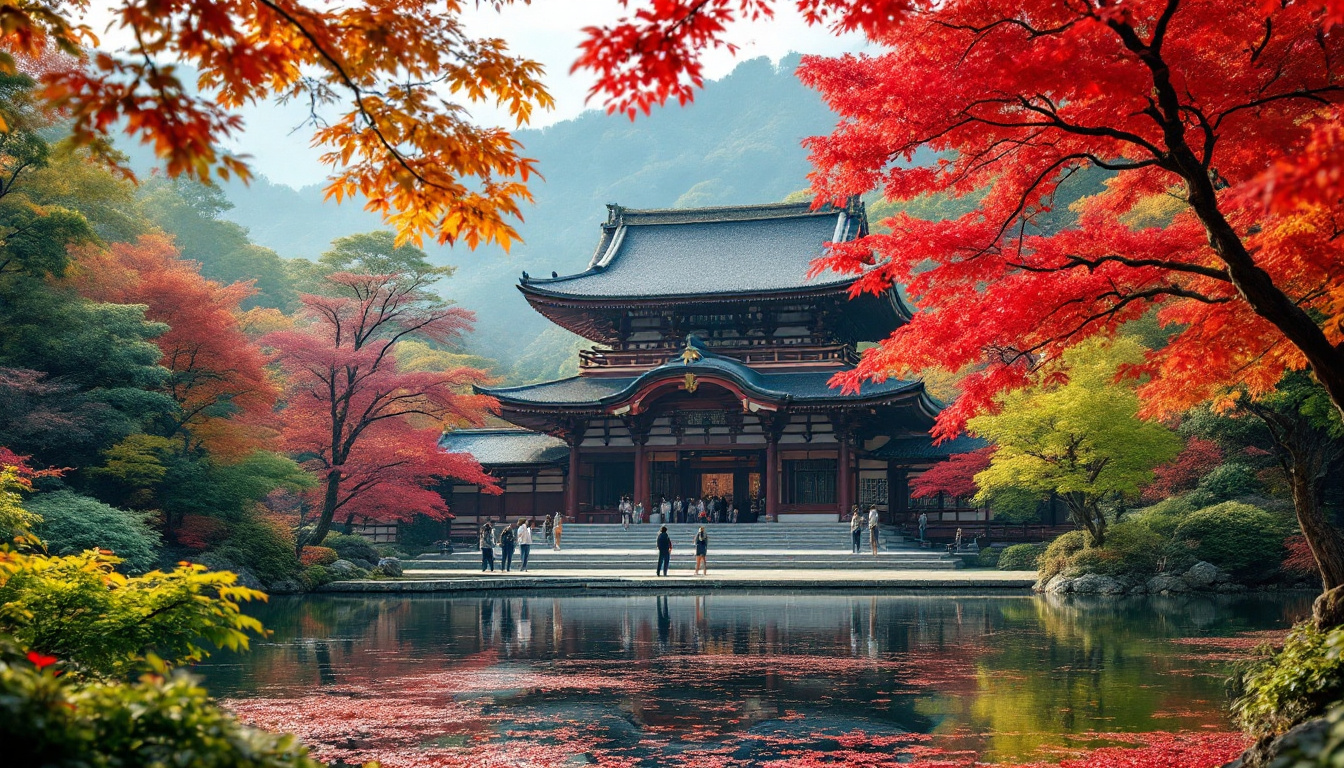
Welcome to the comprehensive guide on Kyoto Temples, a must-visit destination for anyone traveling in Japan. This glossary will provide you with a deep dive into the history, architecture, cultural significance, and travel tips related to Kyoto’s temples.
Japan, a country rich in history and culture, has a plethora of temples that serve as a testament to its religious heritage. Kyoto, in particular, is home to over 1,600 Buddhist temples and 400 Shinto shrines, each with its unique story and architectural style.
History of Kyoto Temples
The history of Kyoto’s temples is intertwined with the history of the city itself. Kyoto was the imperial capital of Japan for over a thousand years, and during this time, it became the center of Buddhism in Japan. The temples were built by emperors, shoguns, and monks, each contributing to the city’s religious and cultural landscape.
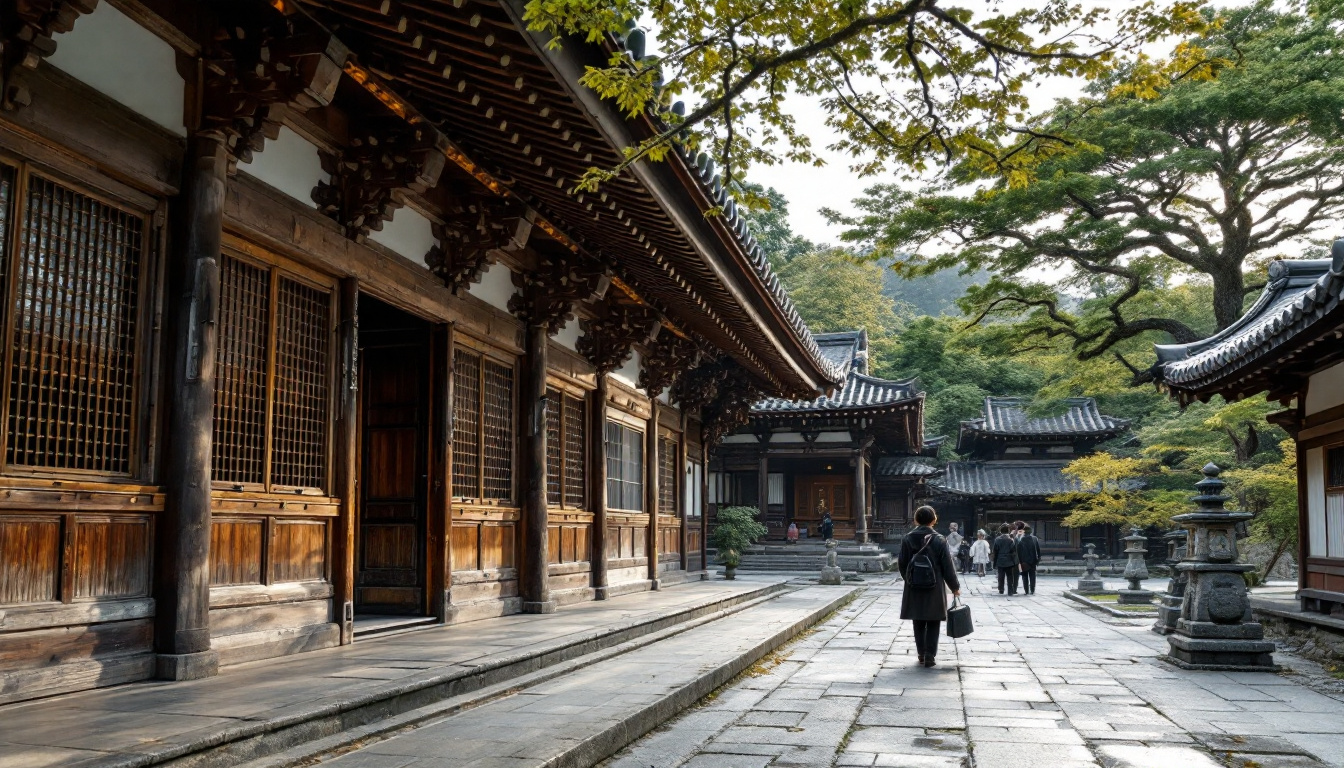
Many of the temples in Kyoto were built during the Heian period (794-1185), a time of peace and prosperity in Japan. This period saw the construction of some of Kyoto’s most famous temples, including Kiyomizu-dera and Tō-ji.
Heian Period Temples
The Heian period was a time of significant cultural development in Japan, and this is reflected in the architecture of the temples built during this time. These temples often feature large wooden structures, colorful paintings, and intricate carvings.
Kiyomizu-dera, built in 778, is one of the most famous Heian period temples. Its main hall, constructed without the use of nails, offers stunning views of Kyoto. Another notable temple is Tō-ji, known for its five-story pagoda, the tallest wooden tower in Japan.
Post-Heian Period Temples
Following the Heian period, the Kamakura and Muromachi periods saw the construction of many Zen temples in Kyoto. These temples, such as Tenryū-ji and Nanzen-ji, feature simpler, more austere architecture, reflecting the Zen philosophy of simplicity and mindfulness.
Many of these temples also feature beautiful gardens, designed for contemplation and meditation. The rock garden at Ryoan-ji, for example, is a masterpiece of Japanese garden design and a UNESCO World Heritage site.
Architecture of Kyoto Temples
The architecture of Kyoto’s temples is a reflection of Japan’s religious and cultural history. From the grandeur of Heian period temples to the simplicity of Zen temples, each temple offers a glimpse into a different era of Japanese history.
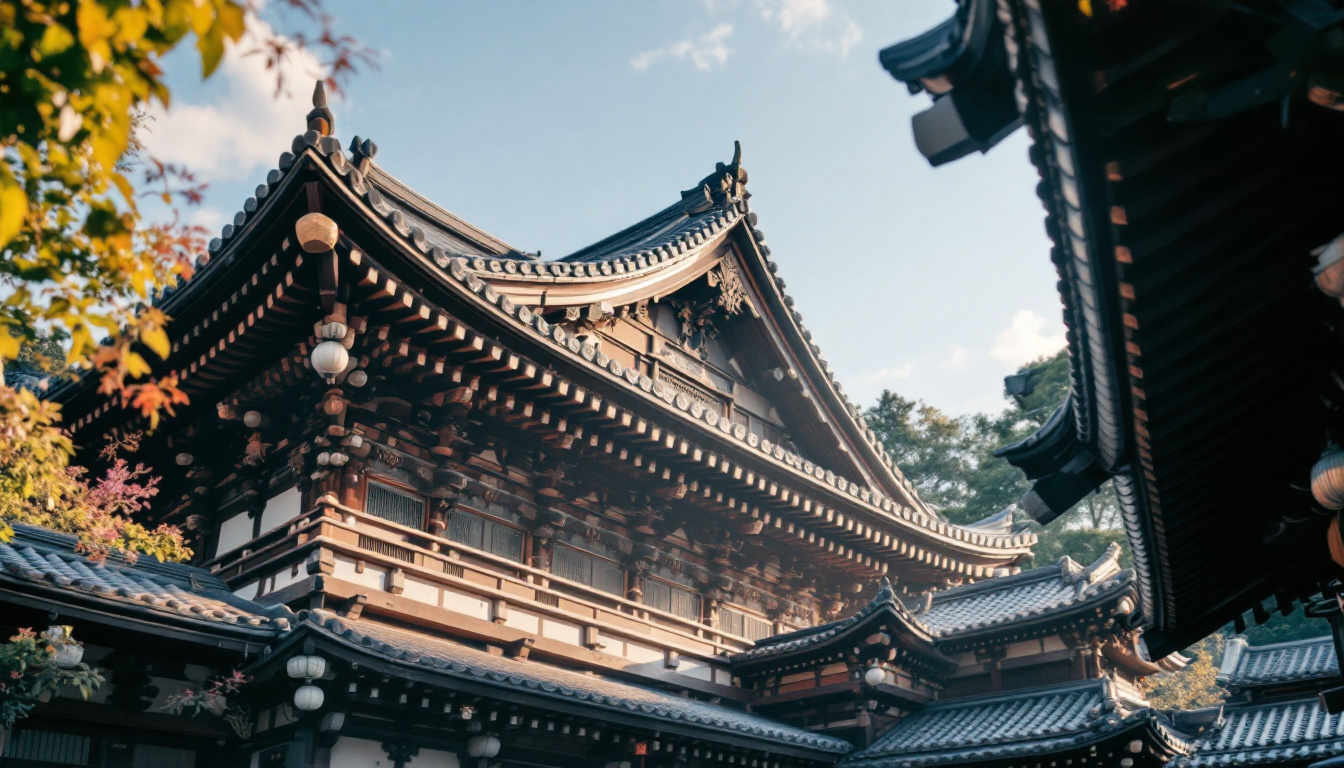
Despite their differences, all Kyoto temples share some common architectural elements. These include a main hall for worship, a pagoda, and often a garden. The main hall usually houses a statue of Buddha or a Shinto deity, while the pagoda serves as a symbol of the Buddhist teachings.
Temple Layout
The layout of a temple is carefully designed to facilitate religious practices and to create a serene and spiritual atmosphere. The main hall, pagoda, and other buildings are often arranged in a certain order, with paths and gardens connecting them.
Many temples also feature a karesansui, or dry landscape garden. These gardens, made of rocks, gravel, and sand, are designed to represent natural landscapes and to encourage meditation and contemplation.
Temple Decorations
The decorations in a temple are not merely aesthetic, but also carry religious and symbolic meanings. Statues of Buddha, bodhisattvas, and other deities are common, as are paintings and carvings depicting scenes from Buddhist scriptures.
Many temples also feature fusuma, sliding doors painted with scenes from nature or mythology. These doors not only serve a practical purpose, but also add to the aesthetic appeal of the temple.
Visiting Kyoto Temples
Visiting the temples in Kyoto is a unique experience, offering a glimpse into Japan’s rich cultural and religious heritage. However, as these are sacred places, there are certain etiquette rules that visitors should follow.
When entering a temple, it is customary to bow slightly at the gate as a sign of respect. Shoes should be removed before entering the main hall, and visitors should speak softly and move slowly to maintain the peaceful atmosphere.
Best Time to Visit
The best time to visit Kyoto’s temples depends on what you want to see. The cherry blossom season in spring and the autumn foliage season are particularly beautiful, with the temples and their gardens bathed in stunning colors.
However, these seasons also attract large crowds, so if you prefer a quieter experience, consider visiting in the early morning or during the off-peak seasons.
Temple Etiquette
When visiting a temple, it’s important to show respect for the sacred space. This includes speaking softly, not touching the statues or other religious objects, and not taking photos where it’s prohibited.
Many temples also have a chozuya, a water basin where visitors can purify themselves before entering the temple. To use the chozuya, take the ladle with your right hand, fill it with water, and rinse both hands. Then transfer the ladle to your left hand and rinse your mouth with your right hand. Finally, rinse the ladle before returning it.
Conclusion
The temples of Kyoto are a treasure trove of history, culture, and spirituality. Each temple has its unique story and charm, offering a glimpse into the rich tapestry of Japan’s past.
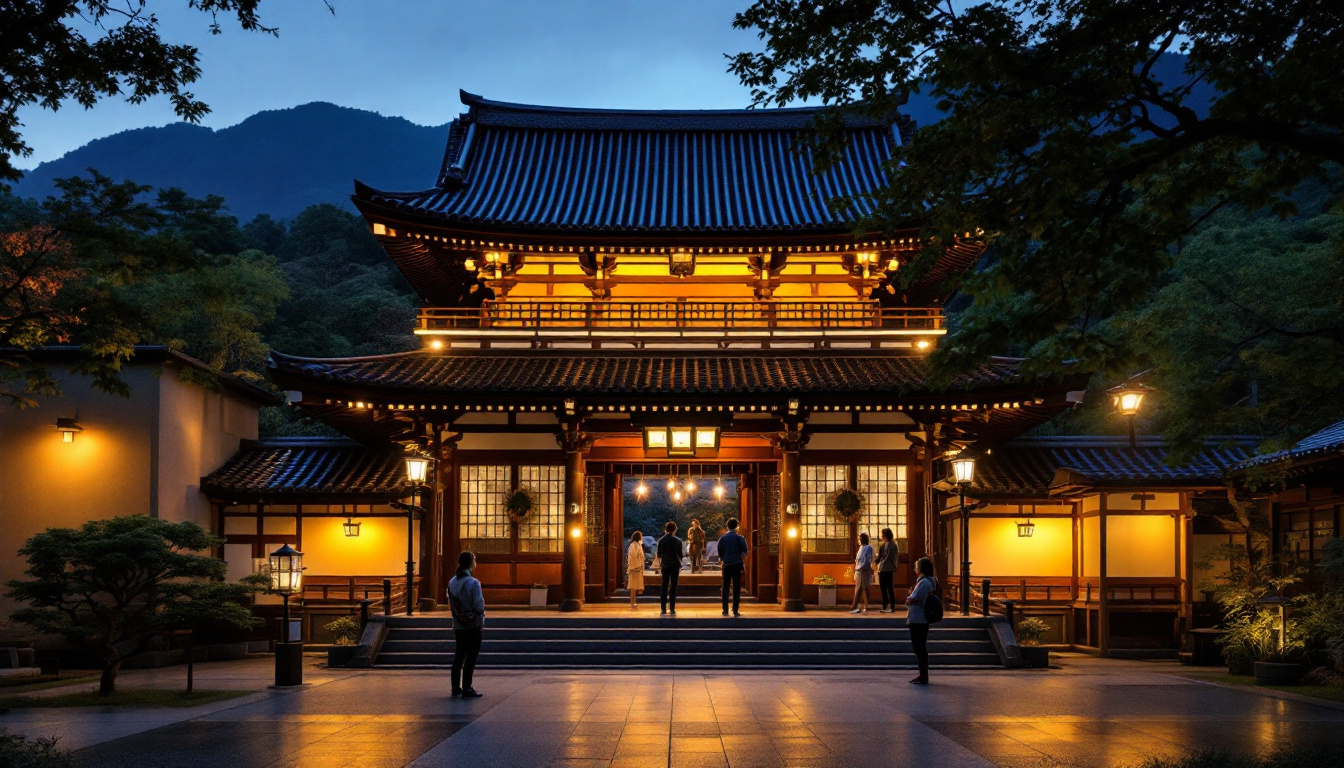
Whether you’re a history buff, a culture enthusiast, or a spiritual seeker, Kyoto’s temples have something to offer. So take your time, explore, and let the serene beauty of these sacred spaces touch your heart.
Ready to immerse yourself in the spiritual elegance of Kyoto’s temples? Let Travel2Borders craft the perfect journey for you. Our expertise in creating custom travel itineraries means you can explore these historic sanctuaries without the hassle of planning and booking. With our ability to secure better rates on hotels and flights, your pilgrimage to Japan’s heart will be as serene as the temples themselves. Book your next trip with us and embark on a soul-enriching adventure to Kyoto’s sacred spaces.