
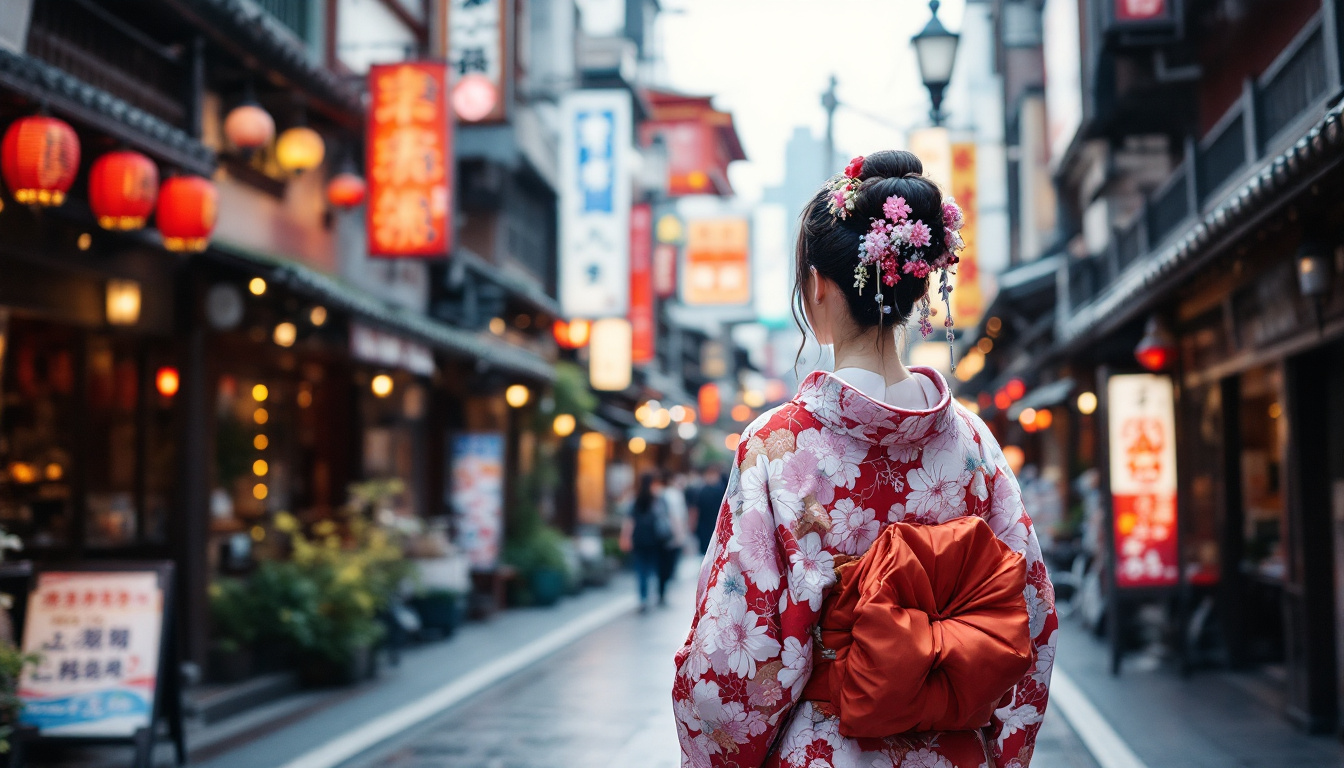
When you think of Japan, one of the first images that might come to mind is the elegant, traditional garment known as the kimono. This iconic piece of clothing is deeply rooted in Japanese culture and history, and is still worn today for special occasions and ceremonies. But what exactly is a kimono, and what role does it play in Japanese society? In this glossary entry, we’ll dive deep into the world of kimonos, exploring their history, significance, and the etiquette surrounding their use.
Whether you’re a seasoned traveler planning your next trip to Japan, a student of Japanese culture, or just someone with a keen interest in fashion, understanding the kimono can provide a fascinating insight into Japanese life. So, let’s embark on this journey together, and unravel the beautiful mystery of the kimono.
History of the Kimono
The kimono, which literally translates to “thing to wear”, has a history that spans over a thousand years. It evolved from the Chinese hanfu during the Heian period (794-1185), when Japan began to develop its own unique culture and aesthetics. The kimono as we know it today, with its straight seams and T-shape, became popular during the Edo period (1603-1868), a time of peace and prosperity in Japan.
Throughout history, the kimono has been more than just a piece of clothing. It has been a canvas for expressing social status, personal identity, and artistic taste. The fabric, color, pattern, and style of a kimono can tell you a lot about the wearer, from their age and marital status to their wealth and social rank.
The Heian Period
During the Heian period, the kimono was known as a “kosode”, meaning “small sleeve”. It was worn as an undergarment, with a larger, more elaborate robe called a “kariginu” worn over it. The kosode was simple and unadorned, while the kariginu was often decorated with intricate patterns and designs.
It was during this period that the technique of yuzen dyeing was developed. This method, which involves hand-painting designs onto the fabric before dyeing it, allowed for the creation of complex and colorful patterns. The Heian period also saw the rise of the “junihitoe”, a twelve-layered ceremonial kimono worn by court ladies. This extravagant garment is still worn today for special occasions and royal ceremonies.
The Edo Period
The Edo period marked a significant shift in the style and use of the kimono. As the merchant class grew wealthier, they began to commission kimonos with elaborate designs and high-quality fabrics. The government, concerned about the ostentatious display of wealth, imposed sumptuary laws restricting the types of kimonos that could be worn. However, these laws only spurred more creativity, as people found clever ways to circumvent the restrictions.
During this period, the kimono became a form of self-expression and a way to display one’s taste and sophistication. The choice of fabric, color, and pattern became an important part of one’s identity. The Edo period also saw the development of many of the kimono styles and patterns that are still popular today, such as the uchikake (a long, trailing kimono worn by brides) and the furisode (a long-sleeved kimono worn by unmarried women).
Types of Kimono
There are many different types of kimonos, each with its own specific use and significance. The type of kimono worn can depend on a variety of factors, including the wearer’s age, gender, marital status, and the occasion. Here, we’ll explore some of the most common types of kimonos and their uses.
It’s important to note that while the basic shape of the kimono is the same for all types, the details can vary greatly. The length of the sleeves, the type of fabric, the color, and the pattern can all change depending on the type of kimono. Additionally, the way the kimono is worn and the accessories used can also vary.
Yukata
The yukata is a casual type of kimono made of cotton or synthetic fabric. It’s typically worn in the summer for festivals, fireworks displays, and other casual events. The yukata is easy to wear and care for, making it a popular choice for both men and women. It’s also commonly worn as a bathrobe in traditional Japanese inns, or ryokans.
Yukatas are usually brightly colored and feature bold, fun patterns. They’re worn with a simple obi (a wide belt) and geta (wooden sandals). Because of their casual nature, yukatas offer a lot of freedom for personal expression, and many people enjoy coordinating their yukata with their accessories.
Furisode
The furisode is a formal kimono worn by unmarried women. It’s characterized by its long, flowing sleeves, which can reach up to 1.2 meters in length. The furisode is typically made of silk and features elaborate, colorful designs. It’s worn for formal occasions such as coming-of-age ceremonies and weddings.
The furisode is considered a symbol of a woman’s eligibility for marriage. The long sleeves are said to attract attention and signal the wearer’s availability. Once a woman gets married, she will no longer wear a furisode, but will instead wear a more subdued type of kimono.
Kimono Etiquette
Wearing a kimono is not just about putting on a beautiful garment. There’s a certain etiquette that must be followed, from the way the kimono is worn to the way it’s cared for. Understanding this etiquette is crucial for anyone who wishes to wear a kimono, whether they’re a local or a visitor to Japan.
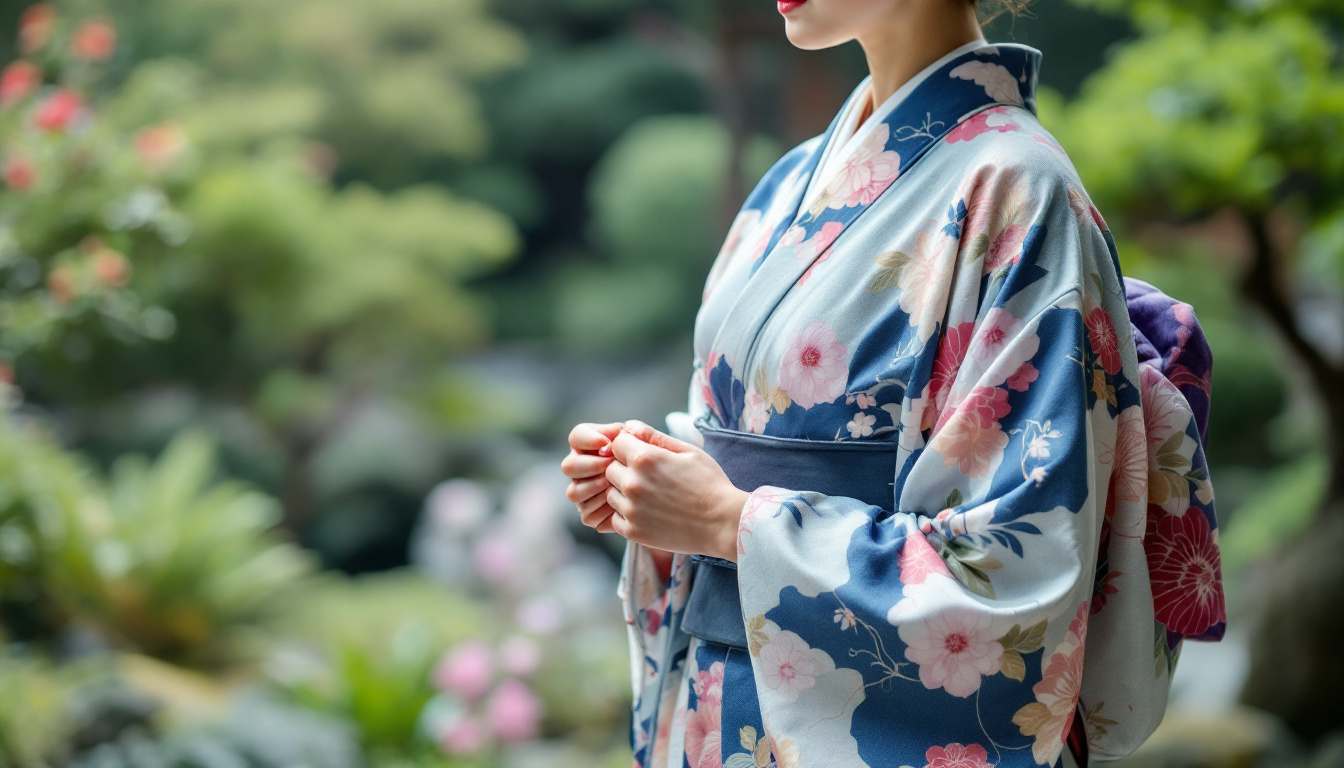
First and foremost, a kimono should always be worn with respect. This means understanding the significance of the garment and wearing it in a way that honors its history and tradition. It’s also important to remember that the kimono is not a costume, but a piece of clothing that carries deep cultural significance.
How to Wear a Kimono
Wearing a kimono properly can be a complex process, involving multiple layers and accessories. The first step is to put on the nagajuban, or undergarment, which helps to protect the kimono from sweat and oils. The nagajuban is tied with a thin belt called a koshihimo.
Next, the kimono is put on, with the left side overlapping the right. This is a very important point, as the right side is only overlapped by the left at a funeral. The kimono is then secured with another koshihimo, and the excess fabric is folded under to adjust the length. Finally, the obi is tied around the waist, and the final touches are added, such as the obijime (a decorative cord) and the obiage (a silk scarf).
Caring for a Kimono
Caring for a kimono can be a delicate process, as many kimonos are made of fine silk and feature intricate designs. Most kimonos should be dry-cleaned, although some casual types like the yukata can be hand-washed. It’s important to store a kimono properly to prevent damage and discoloration. This usually involves folding it carefully and storing it in a cool, dry place.
When wearing a kimono, it’s important to avoid spilling anything on it, as stains can be difficult to remove. It’s also a good idea to avoid wearing a kimono in rainy weather, as the water can damage the fabric. If a kimono does get wet, it should be dried immediately to prevent mold and mildew.
Kimono in Modern Japan
While the kimono is no longer the everyday wear it once was, it still holds a special place in Japanese culture. Today, kimonos are primarily worn for special occasions, such as weddings, funerals, tea ceremonies, and festivals. They’re also worn by performers of traditional Japanese arts, like kabuki and ikebana.
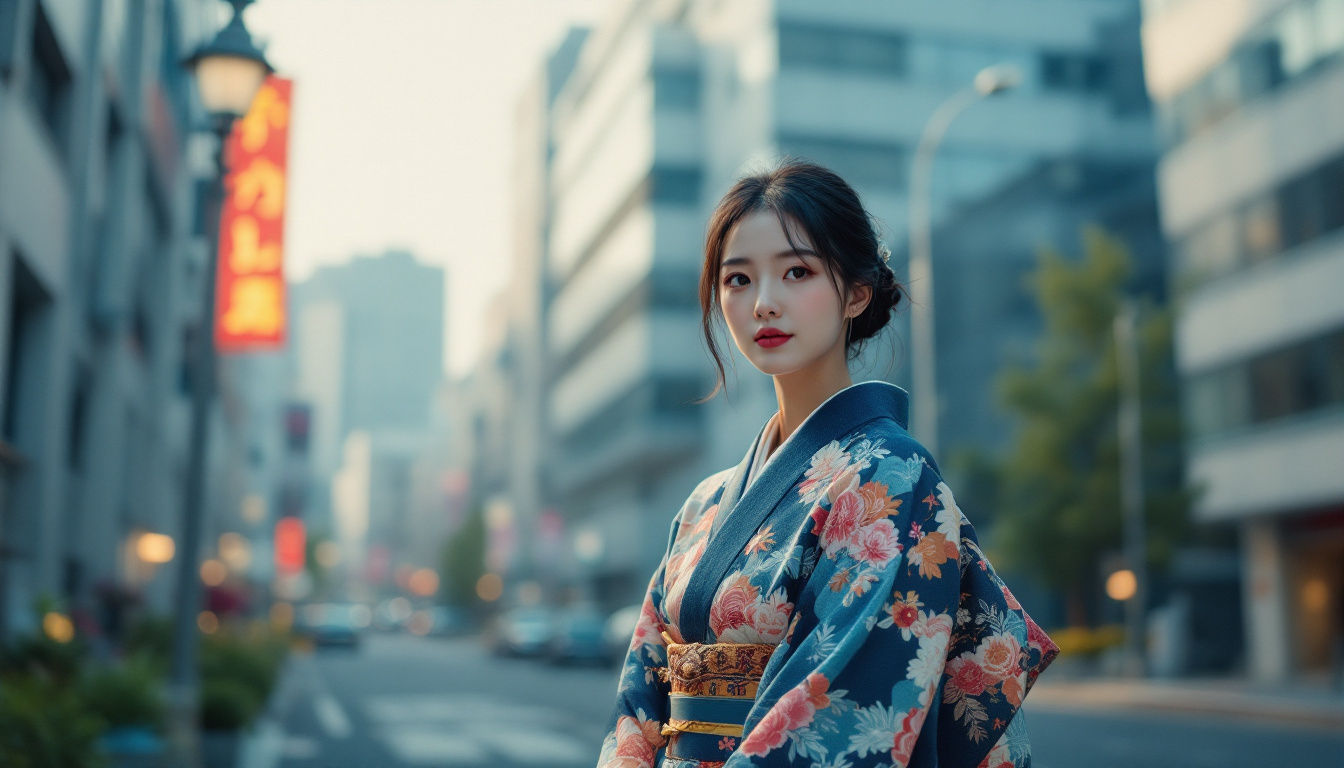
However, the kimono is also experiencing a resurgence in popularity among younger generations. Many young people enjoy wearing kimonos for fun, experimenting with modern styles and accessories. There are also a growing number of designers who are incorporating elements of the kimono into contemporary fashion, creating a unique blend of old and new.
Kimono Rental and Dressing Services
For tourists and locals alike who wish to experience wearing a kimono, there are many kimono rental and dressing services available, particularly in tourist hotspots like Kyoto and Tokyo. These services provide everything you need to wear a kimono, including the garment itself, the obi, and other accessories. They also offer dressing services, where a professional will help you put on the kimono correctly.
Many people enjoy renting a kimono and strolling around traditional areas, like Kyoto’s Gion district or Tokyo’s Asakusa district. It’s a unique way to experience Japanese culture and history, and it makes for great photos too!
Kimono in Pop Culture
The kimono has also found its way into pop culture, both in Japan and abroad. It’s often featured in anime, manga, and films, and it’s become a popular motif in fashion and design. In recent years, there’s been a trend of “kimono dressing” in the West, where people wear garments inspired by the kimono, often with a modern twist.
However, this trend has also sparked controversy and discussions about cultural appropriation. While many people appreciate the beauty and craftsmanship of the kimono, it’s important to remember its cultural significance and to wear it with respect and understanding.
Conclusion
The kimono is a symbol of Japan’s rich history and culture, a garment that tells a story with every fold and pattern. Whether you’re wearing a kimono, admiring one in a museum, or just learning about its history, the kimono offers a fascinating glimpse into the heart of Japan.
So the next time you see a kimono, take a moment to appreciate its beauty and craftsmanship, and to reflect on the centuries of tradition and history it represents. And if you ever have the chance to wear a kimono, embrace the opportunity to step into a piece of living history and to experience the elegance and grace of this timeless garment.
Ready to immerse yourself in the elegance and tradition of Japan with your very own kimono experience? Let Travel2Borders craft the perfect Japanese adventure for you. Our expertise in creating custom travel itineraries means you can enjoy the beauty of Japan hassle-free, with all bookings and reservations handled by us. Plus, we’ll secure better rates on hotels and flights, ensuring your journey is as cost-effective as it is unforgettable. Book your next trip with us and step into the rich tapestry of Japan’s history and culture.