
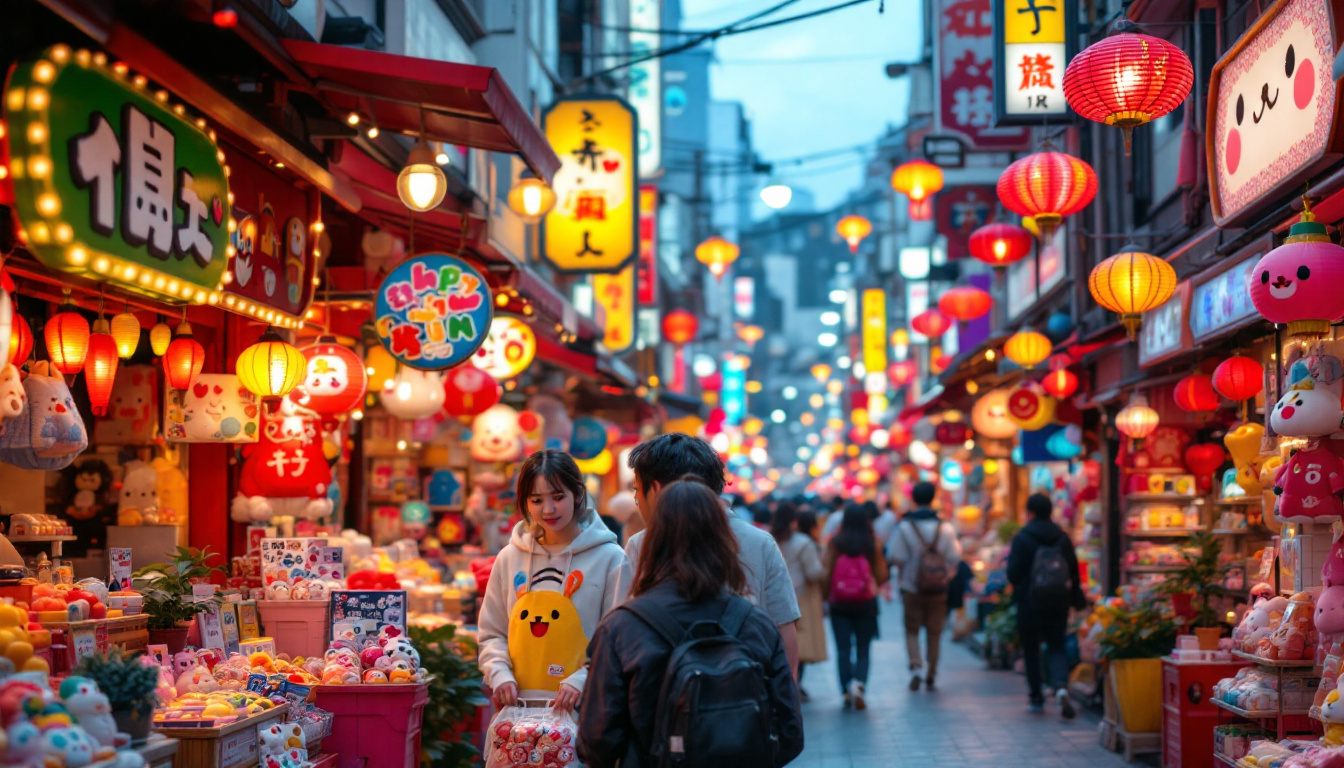
Welcome to the world of ‘Kawaii’, a term that you’ll encounter frequently when traveling in Japan. Kawaii, which translates to ‘cute’ or ‘adorable’ in English, is more than just a word in Japan. It’s a cultural phenomenon that permeates all aspects of Japanese life, from fashion and food to entertainment and even business. It’s a concept that’s deeply ingrained in the Japanese psyche and is a key element of the country’s unique charm.
Understanding the concept of Kawaii can significantly enhance your travel experience in Japan. It can provide a unique lens through which to view and appreciate the country’s culture, traditions, and lifestyle. This glossary article aims to provide a comprehensive understanding of Kawaii, its origins, its influence on various aspects of Japanese life, and how it can shape your travel experiences in Japan.
The Origins of Kawaii
The term ‘Kawaii’ originated in the 1970s, during a period of significant social and cultural change in Japan. The word is derived from the phrase ‘ka ao hayushi’, which roughly translates to ‘face flushing with embarrassment’. Over time, the phrase was shortened to ‘kao hayushi’, and eventually to ‘kawaii’. The term was initially used to describe the shy, blushing demeanor that was considered attractive in women during that era.
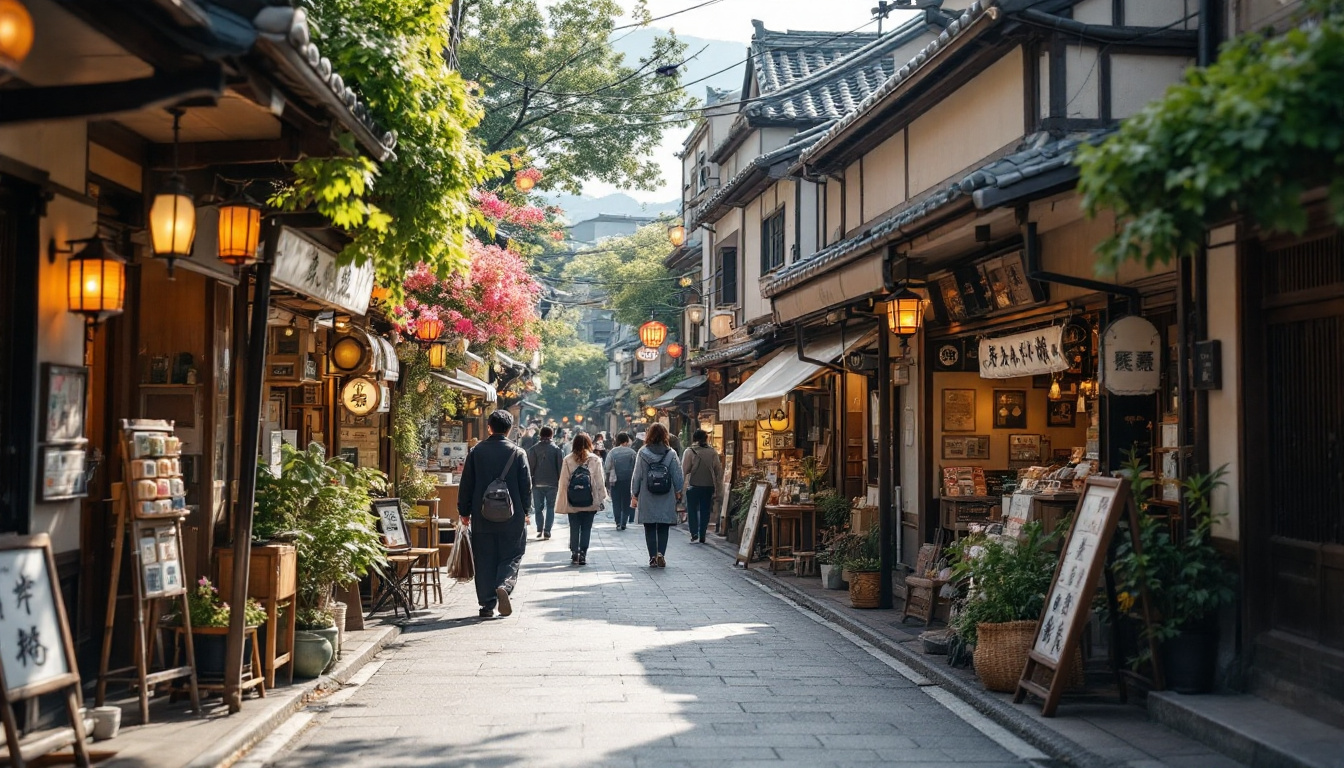
However, the concept of Kawaii evolved over time to encompass a broader range of characteristics, including innocence, childlike simplicity, and vulnerability. It became associated with anything that evoked feelings of warmth, affection, and protectiveness. This evolution was influenced by various factors, including changes in societal norms, the rise of consumer culture, and the influence of popular culture.
The Influence of Popular Culture
Popular culture played a significant role in shaping the concept of Kawaii. The emergence of manga (Japanese comics) and anime (Japanese animation) in the 1970s and 1980s introduced a host of cute, endearing characters that captured the public’s imagination. These characters, with their exaggerated features and innocent personalities, embodied the essence of Kawaii and helped popularize the concept both within Japan and internationally.
One of the most iconic examples of Kawaii in popular culture is Hello Kitty, a character created by the Japanese company Sanrio in 1974. With her simple, round face, big eyes, and tiny bow, Hello Kitty epitomizes the Kawaii aesthetic. She quickly became a cultural icon and a symbol of Kawaii, sparking a global craze for all things cute and Japanese.
The Rise of Consumer Culture
The growth of consumer culture in Japan also contributed to the spread of Kawaii. Companies began to incorporate Kawaii elements into their products and marketing strategies to appeal to consumers’ emotional responses. This led to the creation of a wide range of Kawaii goods, from clothing and accessories to stationery and home decor.
Today, Kawaii is a powerful marketing tool in Japan. It’s used to sell everything from food and electronics to cars and real estate. The appeal of Kawaii lies in its ability to evoke feelings of happiness and comfort, making products more attractive to consumers. It’s a testament to the power of Kawaii that even serious businesses like banks and airlines use cute mascots and imagery in their branding.
Kawaii and Japanese Fashion
Kawaii has had a profound impact on Japanese fashion. It has given rise to numerous fashion subcultures, each with its own unique interpretation of the Kawaii aesthetic. These subcultures are characterized by their use of bright colors, exaggerated accessories, and playful, childlike elements.
One of the most well-known Kawaii fashion subcultures is Lolita fashion. Inspired by Victorian and Rococo clothing, Lolita fashion is characterized by its elaborate, doll-like dresses, frilly accessories, and emphasis on modesty. Despite its Western influences, Lolita fashion is distinctly Japanese in its attention to detail and its embodiment of the Kawaii aesthetic.
Harajuku and Kawaii Fashion
Harajuku, a district in Tokyo, is the epicenter of Kawaii fashion in Japan. It’s a place where fashion enthusiasts gather to showcase their unique styles and to draw inspiration from each other. The streets of Harajuku are a riot of color and creativity, with fashionistas donning everything from pastel-colored wigs to oversized bows and stuffed animal backpacks.
Harajuku is also home to a number of boutiques and shops that cater to the various Kawaii fashion subcultures. These shops offer a wide range of clothing and accessories, from frilly Lolita dresses to punk-inspired visual kei outfits. Shopping in Harajuku is a must-do for any fashion lover visiting Japan.
Kawaii and Japanese Food
Kawaii has also influenced Japanese cuisine, giving rise to the trend of ‘kawaii food’. This involves creating dishes that are not only delicious but also visually appealing and cute. Kawaii food is characterized by its use of vibrant colors, creative presentation, and often, the incorporation of cute characters or shapes.
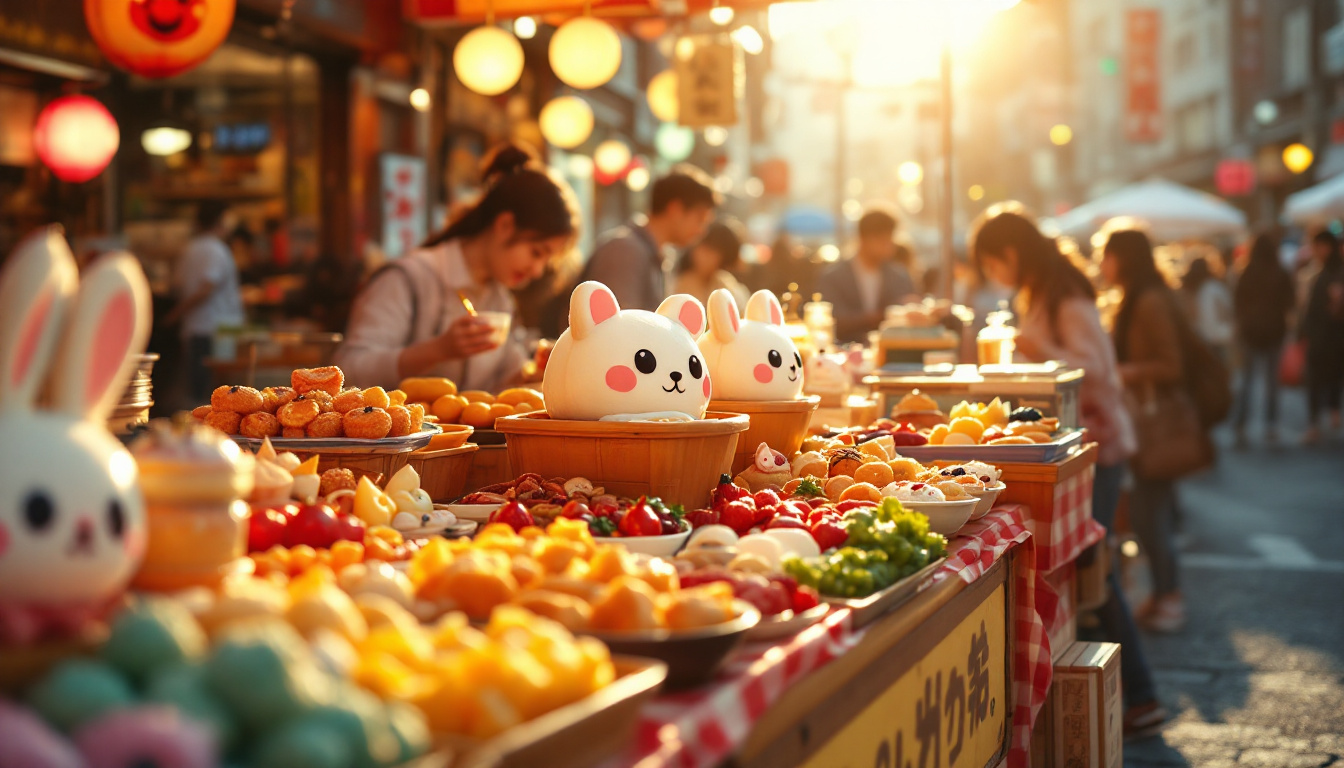
One of the most popular forms of kawaii food is character bento (or ‘kyaraben’), which are lunch boxes filled with food arranged to look like popular characters from anime, manga, or video games. These bento boxes are a testament to the creativity and skill of Japanese cooks, and they’re a hit with both children and adults alike.
Kawaii Cafes
In addition to kawaii food, Japan is also home to a number of ‘kawaii cafes’. These are themed cafes where everything from the decor and food to the staff’s uniforms is designed to be cute and Instagram-worthy. Some of the most popular kawaii cafes in Japan include the Hello Kitty Cafe, the Gudetama Cafe, and the Pokemon Cafe.
Visiting a kawaii cafe is a unique experience that’s quintessentially Japanese. It’s a chance to immerse yourself in the world of kawaii and to enjoy some delicious, cute food. Whether you’re a fan of a particular character or just love all things cute, a visit to a kawaii cafe is a must when traveling in Japan.
Conclusion
Understanding the concept of Kawaii can provide a unique perspective on Japanese culture and enhance your travel experience in Japan. Whether you’re exploring the vibrant streets of Harajuku, dining at a kawaii cafe, or shopping for cute souvenirs, the influence of Kawaii is everywhere. It’s a testament to the power of this cultural phenomenon that it has not only shaped various aspects of Japanese life but has also captured the hearts of people around the world.
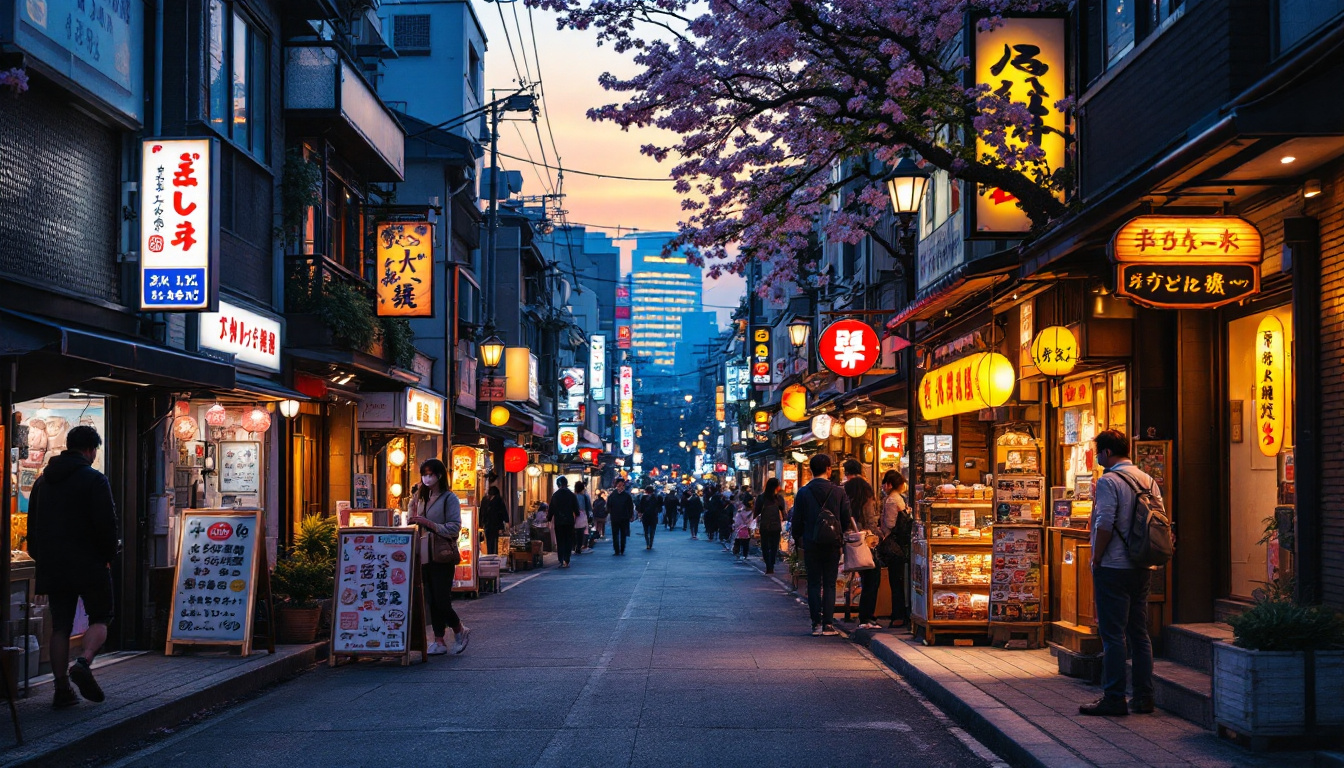
So, the next time you’re traveling in Japan, take a moment to appreciate the Kawaii elements around you. You’ll find that they add a touch of charm and whimsy to your journey, making your trip all the more memorable.
Ready to immerse yourself in the enchanting world of Kawaii on your next Japanese adventure? Let Travel2Borders craft the perfect itinerary for you, ensuring that every aspect of your journey is infused with the irresistible charm of Japan’s cutest cultural treasures. From securing the best rates on flights and hotels to handling all your bookings and reservations, we’ve got you covered. All you need to do is pack your bags and board the plane. Book your next trip with us and experience the magic of Kawaii without any hassle.