

Jet lag, also known as desynchronosis, is a temporary disorder that often occurs when a person travels across different time zones. The body’s internal clock, or circadian rhythm, is disrupted, leading to a range of symptoms such as fatigue, insomnia, and difficulty concentrating. In this comprehensive glossary article, we’ll delve deep into the concept of jet lag, its causes, symptoms, prevention strategies, and more.
Understanding jet lag is crucial for frequent travelers, as it can significantly impact their physical and mental well-being, as well as their ability to function optimally during their trip. Whether you’re a seasoned globetrotter or a first-time flyer, this glossary article will provide you with a thorough understanding of jet lag and how to manage it.
Understanding Jet Lag
Jet lag is a physiological condition that results from alterations to the body’s circadian rhythms caused by rapid long-distance trans-meridian (east-west or west-east) travel. It’s a temporary sleep disorder, but not a serious condition, although it can make you feel unwell for several days.
Jet lag can affect anyone who quickly travels across multiple time zones – from the frequent business traveler to the occasional vacationer. Your body has its own internal clock, or circadian rhythms, that signals your body when to stay awake and when to sleep. Jet lag occurs because your body’s clock is still synced to your original time zone, instead of the time zone where you’ve traveled.
The Body’s Circadian Rhythm
The circadian rhythm is essentially a 24-hour internal clock that runs in the background of your brain and cycles between sleepiness and alertness at regular intervals. It’s also known as your sleep/wake cycle. A part of your hypothalamus (a portion of your brain) controls your circadian rhythm.
However, outside factors like lightness and darkness can also impact it. When it’s dark at night, your eyes send a signal to the hypothalamus that it’s time to feel tired. Your brain, in turn, sends a signal to your body to release melatonin, which makes your body tired. That’s why your circadian rhythm tends to coincide with the cycle of daytime and nighttime (and why jet lag can be so severe when you travel across multiple time zones).
Causes of Jet Lag
Jet lag is caused by rapid travel across several time zones, which results in the desynchronization of the traveler’s internal body clock from the destination time. This desynchronization leads to a variety of symptoms, including fatigue, insomnia, and other physical and emotional disturbances.
It’s worth noting that the severity of jet lag symptoms can vary depending on the direction of travel. Generally, traveling eastward, which “shortens” the day, tends to cause more severe jet lag than traveling westward, which “lengthens” the day. This is because it’s often easier for our bodies to delay our internal clocks than to speed them up.
Common Symptoms of Jet Lag
Jet lag can cause various physical and emotional symptoms. While the number and severity of symptoms vary among individuals, they often include disturbed sleep — such as insomnia, early waking or excessive sleepiness — daytime fatigue, difficulty concentrating or functioning at your usual level, stomach problems, mood changes, and a general feeling of not being well.
It’s important to note that symptoms of jet lag can vary depending on the amount of time zone alteration, the individual’s health and age (older adults may take longer to recover from jet lag), and individual susceptibility.
Physical Symptoms
Physical symptoms of jet lag can be quite diverse and can affect various systems of the body. The most common physical symptoms include insomnia, early waking, excessive sleepiness, and various gastrointestinal problems such as constipation or diarrhea. Other possible physical symptoms include a lack of energy, a decrease in physical performance, and a reduced immune response, which can make you more susceptible to illnesses.
Moreover, the severity of these physical symptoms can be influenced by several factors, including the number of time zones crossed, the direction of travel, and individual differences in circadian rhythms and susceptibility to jet lag.
Emotional Symptoms
Jet lag can also have significant emotional effects, which can manifest in a variety of ways. Some people may experience mood swings, feelings of depression, anxiety, irritability, and a general sense of not feeling well. These emotional symptoms can be particularly challenging to deal with, as they can affect your ability to enjoy your trip or perform effectively at work.
Like physical symptoms, the severity of emotional symptoms can vary based on several factors, including the individual’s personal health, the amount of sleep they’ve been getting, and their general stress levels. It’s also worth noting that these emotional symptoms can often be exacerbated by some of the physical symptoms of jet lag, such as fatigue and sleep disturbance.
Preventing and Managing Jet Lag
While jet lag is a common occurrence for travelers crossing multiple time zones, there are several strategies that can help prevent or minimize the symptoms of this condition. These strategies involve preparing for the time change before you travel, taking care of your body during the flight, and adjusting to the new time zone as quickly as possible after you arrive.
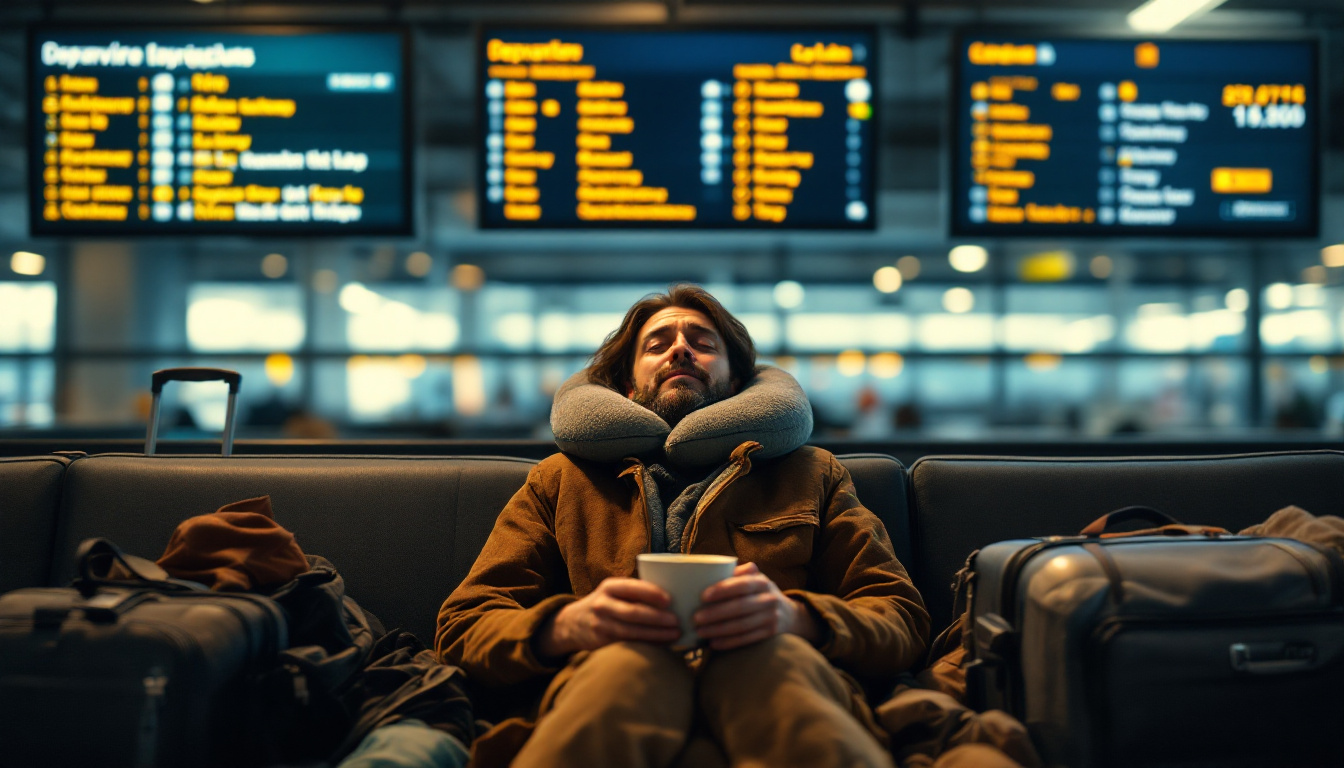
It’s important to note that while these strategies can help reduce the severity of jet lag symptoms, they may not eliminate them entirely. The effectiveness of these strategies can vary among individuals, and they may not be suitable for everyone, particularly those with certain medical conditions or those taking certain medications.
Pre-Travel Preparation
One of the most effective ways to prevent jet lag is to start adjusting to the new time zone before you even leave. This can be done by gradually shifting your sleeping and eating schedule to match the time zone of your destination. For example, if you’re traveling east, try going to bed one hour earlier each night for a few days before your departure. If you’re traveling west, do the opposite.
Another effective pre-travel strategy is to adjust your exposure to light, as this can help reset your internal body clock to align with the new time zone. If you’re traveling east, seek exposure to morning light and avoid evening light. If you’re traveling west, seek exposure to evening light and avoid morning light.
In-Flight Care
During the flight, it’s important to stay hydrated, as dehydration can exacerbate the symptoms of jet lag. Avoid alcohol and caffeine, as these can interfere with your ability to sleep and adjust to the new time zone. If possible, try to sleep on the plane if it’s nighttime at your destination.
Another useful in-flight strategy is to set your watch to the time of your destination as soon as you board the plane. This can help psychologically prepare you for the new time zone.
Post-Travel Adjustment
Once you arrive at your destination, try to adjust to the local schedule as soon as possible. This means eating and sleeping according to the local time, not the time you’re used to. Even if you’re not feeling hungry or tired, try to stick to the local schedule.
Light exposure can also be beneficial after you arrive. Spend plenty of time outside in natural light. This can help reset your internal body clock to align with the new time zone.
Medical Treatments for Jet Lag
While lifestyle adjustments are the first line of defense in preventing and managing jet lag, there are also medical treatments available that can help alleviate the symptoms. These treatments include sleep aids, melatonin supplements, and light therapy.

It’s important to note that while these treatments can be effective, they should be used under the guidance of a healthcare professional, as they can have side effects and may not be suitable for everyone.
Sleep Aids
Over-the-counter and prescription sleep aids can be used to help manage the sleep disturbances associated with jet lag. These medications can help you fall asleep when you’re having trouble adjusting to a new sleep schedule. However, they should be used sparingly and under the guidance of a healthcare professional, as they can have side effects and can be habit-forming.
Some people may find these medications helpful for short-term use to alleviate severe symptoms of jet lag. However, they’re not a long-term solution and don’t address the underlying issue of the disrupted circadian rhythm.
Melatonin Supplements
Melatonin is a hormone that your body produces naturally to signal that it’s time to sleep. Melatonin supplements can be used to help reset your body’s internal clock and adjust to a new time zone. They’re typically taken a few hours before bedtime for several days after arrival in a new time zone.
While melatonin supplements can be effective in managing jet lag, they should be used under the guidance of a healthcare professional. They can have side effects and may interact with other medications. Furthermore, the quality of melatonin supplements can vary, so it’s important to choose a reputable brand.
Light Therapy
Light therapy involves exposure to artificial light of specific wavelengths to help reset your body’s internal clock. It’s typically used in the morning to help advance your circadian rhythm if you’ve traveled eastward, or in the evening to delay your circadian rhythm if you’ve traveled westward.
While light therapy can be effective in managing jet lag, it should be used under the guidance of a healthcare professional, as it can have side effects and may not be suitable for everyone. Furthermore, the effectiveness of light therapy can depend on the timing and intensity of the light, so it’s important to use it correctly.
Conclusion
Jet lag is a common issue that can affect anyone who travels across multiple time zones. While it’s not a serious condition, it can significantly impact your ability to enjoy your trip or perform effectively at work. However, with proper understanding and management, it’s possible to prevent or minimize the symptoms of jet lag and adjust more quickly to the new time zone.

Whether you’re a frequent flyer or an occasional traveler, understanding jet lag and how to manage it can help you make the most of your travels. Remember, while jet lag can be a nuisance, it’s also a sign of the amazing adaptability of the human body to new environments and schedules. So, the next time you experience jet lag, take it as a reminder of your incredible journey across time zones!
Ready to embark on your next adventure without the stress of planning and the hassle of jet lag? Let Travel2Borders craft your perfect itinerary. Our expertise in creating custom travel experiences ensures that you can step off the plane and straight into your dream vacation. Plus, with our ability to secure better hotel and flight rates, your journey won’t just be seamless—it’ll also be more affordable. Don’t let jet lag hold you back; book your next trip with us and travel with ease and confidence.