
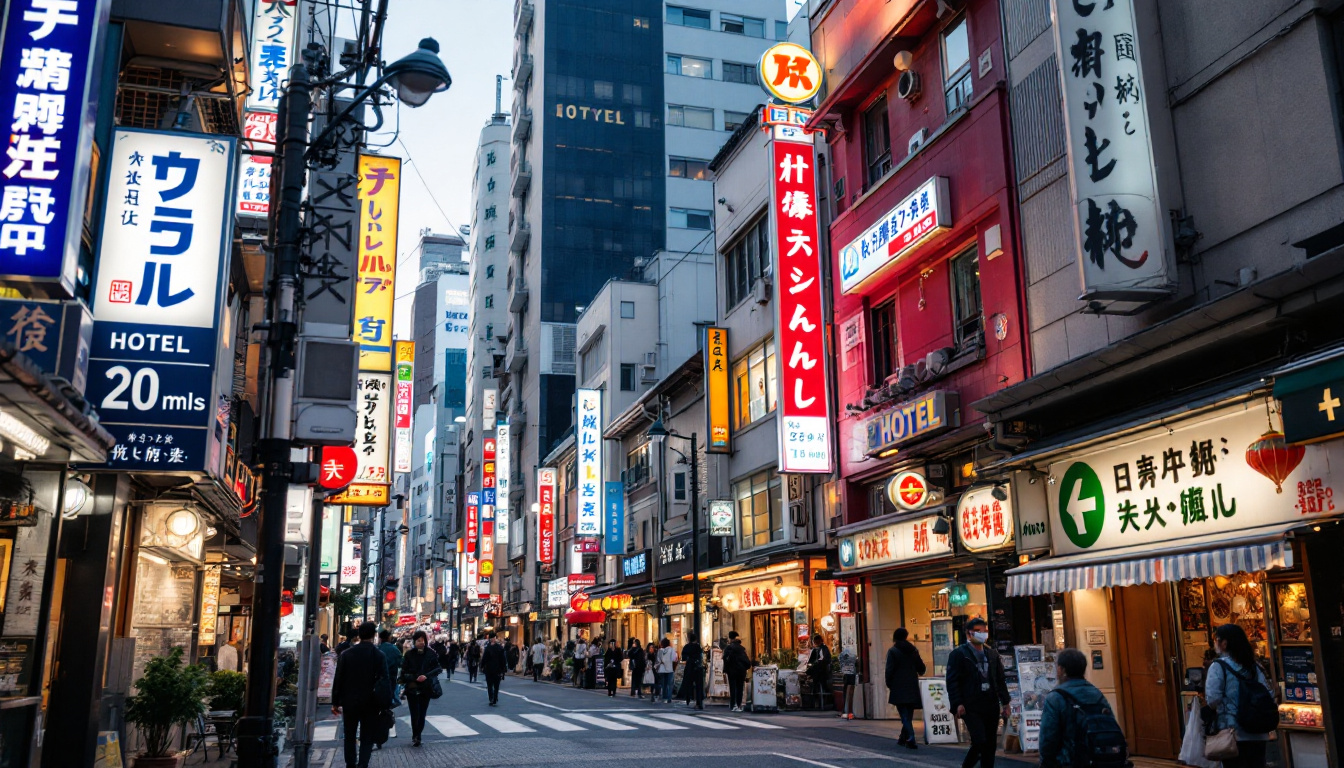
If you’re planning a trip to Tokyo, you’re likely dreaming of vibrant streets, mouth-watering ramen, and the electric buzz of this incredible city. However, when it comes to accommodations, hotel prices can soar. But don’t worry! In this guide, we’ll explore how to find cheap hotels in Tokyo without compromising on comfort or experience.
Understanding Tokyo’s Districts
Tokyo is a sprawling metropolis comprised of various districts, each with its unique charm and features. Knowing these districts can help you navigate both your travel logistics and your hotel search more effectively. The city’s blend of ultramodern skyscrapers and historic temples creates a fascinating juxtaposition that draws millions of visitors each year. Each district tells its own story, reflecting the rich tapestry of culture, history, and innovation that defines Tokyo.

Key Features of Tokyo’s Most Popular Districts
From the neon lights of Shibuya to the traditional ambiance of Asakusa, here are some key districts to consider:
- Shinjuku: Known for its nightlife, shopping centers, and plentiful hotels. It’s a hub for visitors seeking entertainment. The iconic Tokyo Metropolitan Government Building offers stunning panoramic views of the city, and the nearby Golden Gai is a maze of tiny bars, each with its own unique theme.
- Shibuya: Famous for the Shibuya Crossing, this area is trendy and packed with youth culture. Prices can vary widely. The vibrant streets are lined with fashion boutiques, cafes, and eateries, making it a perfect spot for people-watching and soaking in the local atmosphere.
- Asakusa: Home to Senso-ji temple, Asakusa offers a more traditional perspective of Tokyo. It’s great for a quieter stay. The Nakamise shopping street leading up to the temple is filled with stalls selling traditional snacks and souvenirs, providing a glimpse into the city’s past.
- Akihabara: A paradise for tech lovers and anime enthusiasts, this district is buzzing with energy and convention attractions. The area is dotted with multi-story electronics stores and themed cafes, where visitors can immerse themselves in the otaku culture that Akihabara is famous for.
Choosing the Right District for Your Stay
Choosing the right district primarily depends on your interests and activities planned during your visit. For first-time visitors, areas like Shinjuku or Shibuya offer easy access to major attractions and transport links. If you’re looking for a quieter ambiance, consider Asakusa. When selecting your hotel, also factor in proximity to train stations to make commuting easier. Additionally, think about the experiences you want to have; for example, if you’re a foodie, districts like Tsukiji and Ginza are renowned for their culinary delights, while art lovers might prefer the galleries and museums found in Roppongi.
Moreover, each district offers its own unique seasonal events and festivals that can enhance your experience. In Shinjuku, the Hanazono Shrine hosts lively festivals throughout the year, showcasing traditional performances and local delicacies. Meanwhile, Shibuya is known for its vibrant New Year’s celebrations, where locals and tourists alike gather to welcome the new year with enthusiasm. Asakusa, with its historic charm, celebrates the Sanja Matsuri festival in May, attracting thousands of visitors who come to witness the colorful parades and traditional rituals. Understanding these nuances will not only help you choose the right district but also allow you to immerse yourself in the local culture during your stay.
The Art of Finding Affordable Accommodation
Finding a budget-friendly hotel requires some savvy searching techniques. Let’s delve into some pointers that’ll save your wallet while ensuring a pleasant stay.
Utilizing Hotel Comparison Websites
Using hotel comparison websites is like shopping for deals – you get to see prices at a glance! Look for platforms like Booking.com, Agoda, or Hotels.com to compare prices and find promotions. Keep an eye out for user reviews to understand the true value and quality of a hotel before making a reservation.
It can also be beneficial to set up price alerts to get notified of sudden drops in hotel prices. This way, you’ll be informed immediately if there’s a deal that fits your budget!
Additionally, consider exploring lesser-known comparison sites that might offer exclusive deals or discounts. Some websites focus on niche markets, such as boutique hotels or eco-friendly accommodations, which can lead to unique finds that aren’t listed on larger platforms. Furthermore, don’t forget to check the hotel’s own website; sometimes they offer special rates or perks for booking directly, such as complimentary breakfast or free parking.
Off-Peak Travel: A Money-Saving Strategy
Timing can make all the difference when it comes to hotel prices. Traveling during off-peak seasons, such as late autumn or winter (excluding holiday periods), often means you can snag better rates. Not only will you find cheaper accommodations, but you’ll also encounter lighter crowds at popular attractions, giving you a more relaxed experience in one of the world’s busiest cities.
Moreover, consider mid-week travel instead of weekends, as many hotels lower their rates to attract guests during these quieter days. This strategy can be particularly effective in business-heavy cities where hotels are often booked solid during the week but have more availability and lower prices on Sundays through Thursdays. By being flexible with your travel dates, you can maximize your savings and enjoy a more peaceful getaway.
Navigating Tokyo’s Public Transportation
The efficient public transportation system in Tokyo can be incredibly beneficial when selecting your accommodation. When you know how to navigate it, you can stay in a budget-friendly area without sacrificing access to main attractions. This flexibility allows travelers to explore various neighborhoods, each with its unique charm, from the bustling streets of Shibuya to the serene gardens of Ueno.
Understanding the Metro System
Tokyo’s metro system is extensive and user-friendly. With numerous lines and options such as the JR Yamanote Line circling central Tokyo, you’ll find it easy to hop from one district to another. Familiarize yourself with the routes you’ll need to take and don’t hesitate to ask for help at stations if needed; staff are often friendly and willing to assist. Additionally, many stations have information available in English, making it even easier for international travelers to navigate the complex network of trains and subways. The metro is not just a means of transportation; it’s also a glimpse into the daily lives of Tokyoites, with commuters engrossed in their morning routines, reading, or even napping during their journeys.
Cost-Effective Transportation Options
Consider purchasing a prepaid Suica or Pasmo card for seamless travel on public transport. These cards not only save time but can also lead to discounts at certain stores or attractions. Additionally, using buses can be a more economical option for shorter distances, so don’t overlook that modality! Buses in Tokyo are known for their punctuality and cleanliness, and they often provide a scenic route through the city, allowing you to enjoy the sights at a more leisurely pace. For those who prefer a more traditional experience, consider taking a rickshaw ride in areas like Asakusa, where you can soak in the history and culture while being pulled through the streets by a knowledgeable guide.
Tips for Booking Budget Hotels in Tokyo
Booking the right hotel doesn’t have to be a stressful experience. Below are some handy tips to keep in mind while making your reservations.
Booking in Advance: Why It Matters
If you’ve got your heart set on a particular hotel, consider booking well in advance. Early reservations can secure lower rates, and you’ll have more options in terms of room selection. Many hotels also offer free cancellation policies if your plans change, ensuring flexibility while still getting the price advantage. Additionally, booking early allows you to take advantage of any promotional offers or packages that may not be available closer to your travel date. This can include complimentary breakfasts, discounted transportation, or even free upgrades, which can enhance your overall experience in the bustling city of Tokyo.
Last-Minute Deals: Worth the Risk?
For those feeling adventurous, last-minute deals can also be fantastic options if you’re willing to take the gamble. Websites like HotelTonight specialize in last-minute bookings, where you might find excellent rates for unsold rooms. Just keep your availability in mind; you might be limited in terms of choices. However, if you’re flexible with your travel plans and open to exploring different neighborhoods, you could stumble upon hidden gems that are not only budget-friendly but also offer unique local experiences. Some hotels may even provide exclusive last-minute perks, such as discounted dining options or free access to local attractions, making your spontaneous trip even more rewarding.
Utilizing Comparison Websites
Another effective strategy is to utilize comparison websites that aggregate hotel prices across various platforms. Websites like Booking.com, Trivago, and Kayak can help you quickly compare rates and find the best deals available. These platforms often include user reviews and ratings, giving you insights into the quality and service of the hotels you’re considering. Additionally, many of these sites offer filters that allow you to narrow down your search based on specific criteria, such as location, amenities, and price range, ensuring that you find a hotel that perfectly fits your needs while exploring the vibrant streets of Tokyo.
The Role of Amenities in Hotel Pricing
When booking a budget hotel, amenities can heavily influence the price. Understanding what you truly need versus what you can do without is key.

Essential Amenities vs. Luxury Extras
Make a list of what you absolutely need, whether that’s WiFi, free breakfast, or laundry facilities. Some amenities can make your stay more comfortable, but others may be unnecessary. If you’re planning to explore the city, opting for a hotel with basic necessities and affordable rates could be the way to go.
How to Prioritize Amenities for Your Budget
Once you identify what amenities are essential versus optional, it’s easier to filter through hotel choices and stay within your budget. Remember, you are in Tokyo to explore, so the more you save on your accommodation, the more you can spend on experiences and delicious local food!
By understanding Tokyo’s districts, leveraging comparison websites, and being strategic about your booking choices, you’ll be well on your way to finding a cheap hotel that fits your travel needs. Happy travels!
Ready to embark on your Tokyo adventure without the hassle of scouring the web for the best deals? Let Travel2Borders take the reins! Our expertise in crafting custom travel itineraries means you’ll get a personalized experience tailored to your interests, with all bookings and reservations handled by us. We’re confident we can secure better hotel and flight rates, leaving you with more to spend on savoring Tokyo’s delights. Book your next trip with us and step onto the plane with peace of mind, ready for an unforgettable journey.