

When it comes to traveling, one of the most important aspects to consider is currency exchange. Whether you’re jetting off to Japan or backpacking through Brazil, understanding how to exchange your money into the local currency is crucial. This article will delve into the nitty-gritty of currency exchange, providing you with all the information you need to navigate this often confusing part of travel.
From understanding exchange rates to knowing where and when to exchange your money, we’ll cover it all. So, buckle up and get ready to become a currency exchange expert. By the end of this article, you’ll be able to handle any currency exchange situation with ease and confidence.
Understanding Exchange Rates
Before we dive into the practical aspects of currency exchange, it’s important to understand what exchange rates are and how they work. Simply put, an exchange rate is the value of one currency for the purpose of conversion to another. It’s how much of your home currency you’ll need to buy a certain amount of foreign currency.
Exchange rates are determined by the foreign exchange market, where currencies are bought and sold 24/7. They fluctuate constantly due to various factors such as economic indicators, political events, and market speculation. It’s important to keep an eye on exchange rates as they can significantly impact the cost of your trip.
Fixed vs. Floating Exchange Rates
There are two main types of exchange rates: fixed and floating. A fixed exchange rate, also known as a pegged exchange rate, is set and maintained by a country’s government. It’s pegged to some other value, usually another currency like the U.S. dollar or a basket of currencies. This type of rate is less likely to fluctuate, providing some level of stability.
On the other hand, a floating exchange rate is determined by the market, based on supply and demand. It can fluctuate greatly in a short period of time. Most major world currencies, including the U.S. dollar, Euro, and Japanese yen, use a floating exchange rate.
Real vs. Nominal Exchange Rates
Another important distinction to make is between real and nominal exchange rates. The nominal exchange rate is the rate you’ll see quoted in the market or at a currency exchange service. It’s the straightforward number of units of one currency that can be exchanged for one unit of another currency.
The real exchange rate, however, takes into account the relative purchasing power of the two currencies. It’s a more accurate reflection of the value of one currency against another, as it considers the cost of goods and services in each country. Understanding the real exchange rate can help you gauge how far your money will go in a foreign country.
Where to Exchange Currency
Now that you have a basic understanding of exchange rates, let’s explore where you can exchange your currency. There are several options available, each with its own pros and cons. The best choice depends on your specific needs and circumstances.

It’s important to note that no matter where you choose to exchange your currency, you’ll likely encounter fees or commissions. These can eat into the amount of foreign currency you receive, so it’s crucial to factor them into your calculations.
Banks and Credit Unions
Many banks and credit unions offer currency exchange services to their customers. This can be a convenient option, especially if you’re already a customer. You can often order foreign currency in advance of your trip and pick it up at a local branch.
However, banks may not offer the best exchange rates. They often add a markup to the market rate, which means you’ll get less foreign currency for your money. Additionally, not all banks offer this service, and those that do may not carry all currencies, especially if you’re traveling to a less popular destination.
Currency Exchange Bureaus
Currency exchange bureaus, also known as bureaux de change, are businesses that specialize in currency exchange. They’re commonly found in airports, shopping malls, and tourist areas. They offer a wide range of currencies and are typically open longer hours than banks.
However, currency exchange bureaus often charge high fees and offer poor exchange rates. While they’re convenient, especially if you need to exchange currency quickly, they’re usually not the most cost-effective option.
ATMs
ATMs can be a convenient and cost-effective way to get foreign currency. If your bank has international partners, you may be able to withdraw foreign currency from ATMs at a reasonable exchange rate. However, be aware of potential fees, including foreign transaction fees and ATM fees.
It’s also important to notify your bank of your travel plans to avoid having your card blocked for suspicious activity. Also, keep in mind that not all ATMs will have English language options, so it can be helpful to learn some basic banking vocabulary in the local language.
When to Exchange Currency
Deciding when to exchange your currency can be just as important as deciding where to do it. Timing can have a significant impact on the exchange rate you receive and, consequently, on how much foreign currency you get for your money.
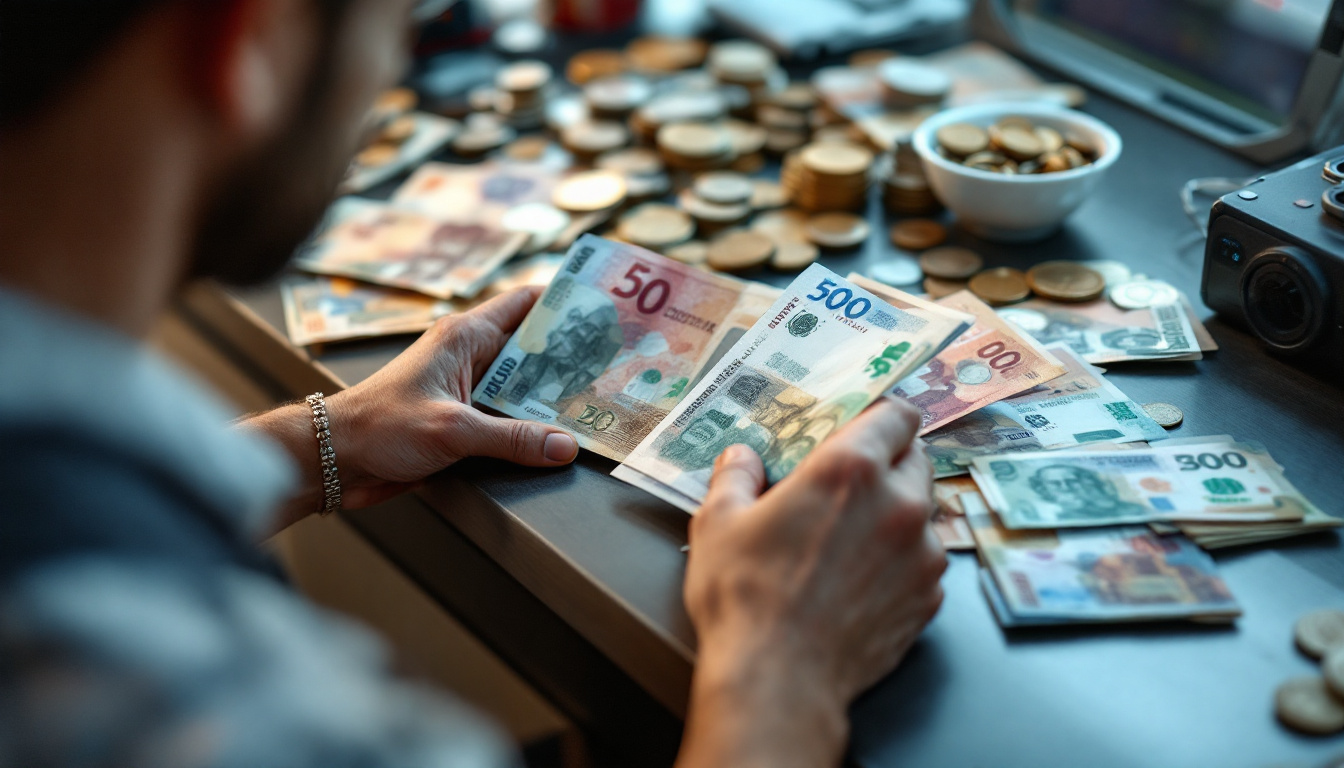
As a general rule, it’s best to exchange some currency before you leave for your trip. This ensures that you have some local currency on hand for immediate expenses like transportation from the airport or a meal upon arrival.
Monitoring Exchange Rates
Monitoring exchange rates can help you choose the best time to exchange your currency. As mentioned earlier, exchange rates fluctuate constantly. By keeping an eye on these fluctuations, you can exchange your currency when the rate is in your favor.
There are many tools and apps available that allow you to track exchange rates in real time. You can set up alerts to notify you when the exchange rate reaches a certain level. However, keep in mind that predicting exchange rate movements can be difficult, even for experts.
Considering Your Travel Schedule
Your travel schedule can also influence when you should exchange your currency. If you’re traveling during a busy tourist season, you may find that exchange rates are less favorable. This is because demand for foreign currency is higher, driving up the price.
On the other hand, if you’re traveling during a less busy time, you may be able to get a better exchange rate. However, keep in mind that other factors, such as economic conditions and political events, can also impact exchange rates.
Using Credit and Debit Cards Abroad
Using your credit or debit card abroad can be a convenient way to pay for expenses and avoid carrying large amounts of cash. However, it’s important to understand the potential costs and risks associated with this option.

Before you travel, check with your bank or credit card company to find out about any foreign transaction fees. These fees, typically a percentage of the transaction amount, can add up quickly. Also, make sure your card will be accepted in the country you’re visiting.
Dynamic Currency Conversion
When using your card abroad, you may be offered the option to pay in your home currency instead of the local currency. This is known as dynamic currency conversion (DCC). While it may seem convenient to know exactly how much you’re spending in your home currency, DCC often comes with a high exchange rate and additional fees.
It’s generally best to decline DCC and choose to pay in the local currency. This allows your bank or credit card company to handle the currency conversion, which typically results in a better exchange rate.
Card Security
Security is another important consideration when using your card abroad. Be cautious when using ATMs or card readers, as they may be tampered with to steal your card information. Always shield your PIN and check your account regularly for any unauthorized transactions.
It’s also a good idea to have a backup payment option in case your card is lost, stolen, or blocked by your bank. This could be cash, a prepaid travel card, or another credit or debit card.
Conclusion
Understanding currency exchange is a crucial part of travel preparation. By familiarizing yourself with exchange rates, knowing where and when to exchange your currency, and understanding how to use your cards abroad, you can make your travel budget go further and avoid unnecessary fees.
Remember, the best approach to currency exchange will depend on your individual needs and circumstances. So, take the time to do your research and choose the options that work best for you. Safe travels!
Ready to embark on your next adventure without the hassle of planning every detail? Let Travel2Borders take the reins! Our expertise in crafting personalized travel itineraries means you can focus on the excitement of travel, not the stress of preparation. We handle all your bookings and reservations, ensuring you get the best rates on hotels and flights. With Travel2Borders, your only task is to pack your bags and head to the airport. Book your next trip with us and experience the ease of seamless travel planning combined with the joy of exploring new borders.