
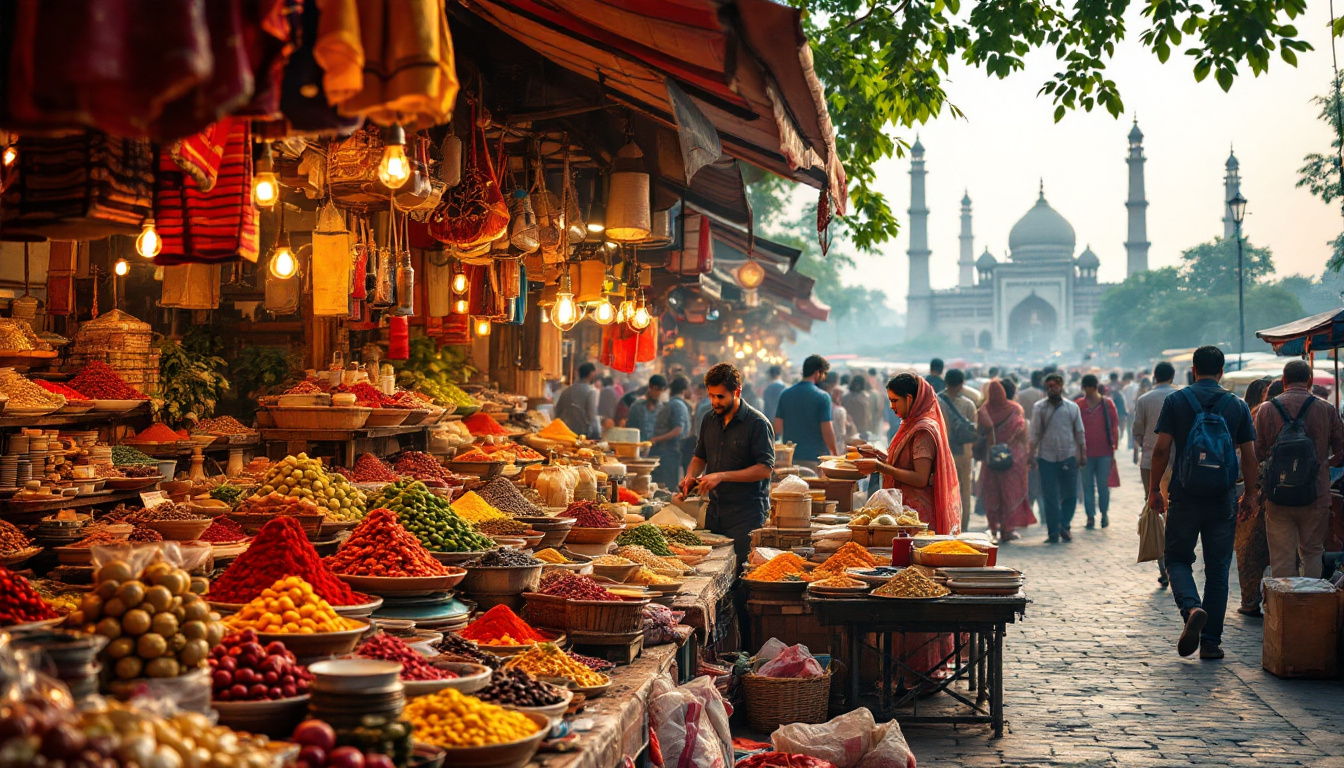
Traveling to India can be an unforgettable experience, but navigating the various seasons and budget options can be tricky. In this guide, we’ll explore the best times to visit India without breaking the bank, taking into account regional variations and seasonal festivals that can affect your travel plans and expenses. Let’s dive right in!
Understanding India’s Seasonal Variations
India is a country of immense diversity, not just in culture but also in climate. The seasons can greatly influence your travel experience, so understanding these variations is crucial for budget travelers.
The Impact of Monsoon Season on Travel
The monsoon season, typically from June to September, is known for heavy rainfall across much of the country. While it might seem counterintuitive, this could actually be a great time to visit India if you want to save on costs.
During this period, many tourist sites see a drop in visitor numbers, which often translates to reduced hotel rates and fewer crowded attractions. Additionally, landscapes flourish with vivid greens, offering stunning scenic views that are unique to this season. The monsoon also brings with it a unique cultural experience; many festivals, such as Teej and Raksha Bandhan, are celebrated during this time, allowing travelers to immerse themselves in local traditions and festivities.
The Cool Comfort of Winter in India
Winter, spanning from December to February, is arguably one of the best times to visit India. The weather is pleasant and cool, making it perfect for sightseeing. However, it is also the peak season for many popular tourist destinations.
Budget-conscious travelers should book accommodations well in advance, as prices tend to be higher. To save some cash, consider traveling to less well-known destinations during winter months, like visiting the southern coast or the northeast where tourism is less saturated. Furthermore, winter is an excellent time for wildlife enthusiasts to visit national parks like Ranthambore or Kaziranga, where the cooler temperatures make wildlife spotting more favorable and enjoyable.
The Heat of Summer: What to Expect
Summer can be intense in India, particularly from April to June, with temperatures often soaring above 100°F (38°C). While this heat might make outdoor activities less appealing, summer can be an ideal time for budget travelers.
This is the off-peak season in many areas, meaning lower prices for flights and accommodations. Additionally, you can take advantage of the cooler evenings to explore local markets and enjoy street food without breaking the bank. Many regions, especially in the northern hills like Manali and Shimla, offer a refreshing escape from the heat, with pleasant temperatures and breathtaking views. Moreover, summer is the season for various local fairs and cultural events, providing travelers with a unique glimpse into the vibrant traditions and lifestyles of different Indian communities.
Budget-Friendly Travel in Different Seasons
Now that we have a grasp of the seasonal variations, let’s take a closer look at how each season can affect your wallet. Here are some tips to travel smartly by season!
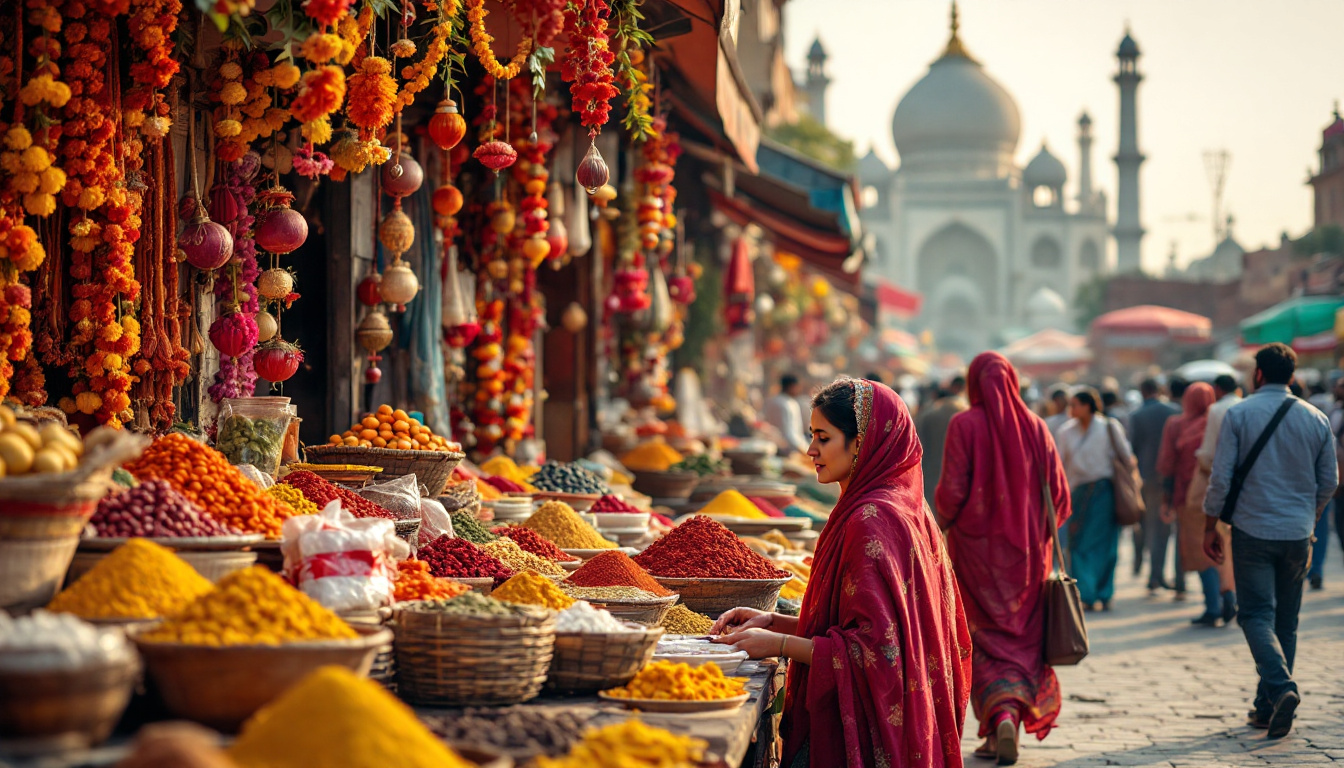
Saving Money in the Monsoon Season
Traveling during the monsoon season can be economical. Here are some practical tips:
- Look for last-minute deals: Many hotels offer attractive discounts during this time to lure tourists.
- Opt for public transport: Buses and trains are often less crowded and cheaper.
- Explore local cuisine: The rain creates a cozy atmosphere for enjoying affordable local eateries.
Just ensure to keep a travel umbrella handy and embrace the rain as part of the adventure! The monsoon season also brings a lushness to the landscape that is simply breathtaking. Imagine the vibrant greens of the fields and the rejuvenation of rivers and waterfalls, which become spectacular sights during this time. Additionally, popular tourist spots tend to be less crowded, allowing for a more intimate experience with the local culture and environment. Don’t forget to pack some waterproof footwear to navigate the wet streets comfortably!
Winter Travel: Budget Tips and Tricks
Winter attracts tourists from around the globe, causing prices to spike. However, with these tips, you can still stick to a budget:
- Book accommodations early to secure the best rates.
- Plan your itinerary to include free or low-cost attractions, such as parks and temples.
- Consider taking group tours, which can sometimes save you money on transportation and guided experiences.
With a bit of planning, winter in India can be both enjoyable and budget-friendly! The crisp winter air not only makes for comfortable sightseeing but also opens up a plethora of winter festivals and events that are often free to attend. From the vibrant celebrations of Lohri in Punjab to the serene beauty of the Pushkar Camel Fair, winter showcases a cultural richness that is hard to resist. Moreover, many regions offer seasonal specialties in food, making it a great time to indulge in local delicacies without breaking the bank.
Summer in India: Affordable Options
Although the heat can be extreme, summer offers unique opportunities for budget travelers:
- Seek out hill stations like Manali or Dhramshala, where temperatures are cooler and travel costs are lower.
- Participate in local festivals, which can provide insight into Indian culture without cost.
- Take advantage of seasonal discounts on accommodations and activities.
So gear up and don’t shy away from soaking in India’s richness even in the sweltering summer! In addition to the cooler climates found in the hill stations, summer is also a time for vibrant festivals such as the colorful Teej festival in Rajasthan, where you can witness traditional dances and local crafts. Furthermore, many tourist attractions offer reduced entry fees during the off-peak summer months, allowing you to explore historical sites and natural wonders without the usual crowds. Just remember to stay hydrated and take breaks in the shade, as you embark on your summer adventures!
Regional Differences in Travel Costs
It’s essential to recognize that travel costs in India can vary not just seasonally, but also regionally. Here’s how various regions stack up, budget-wise.
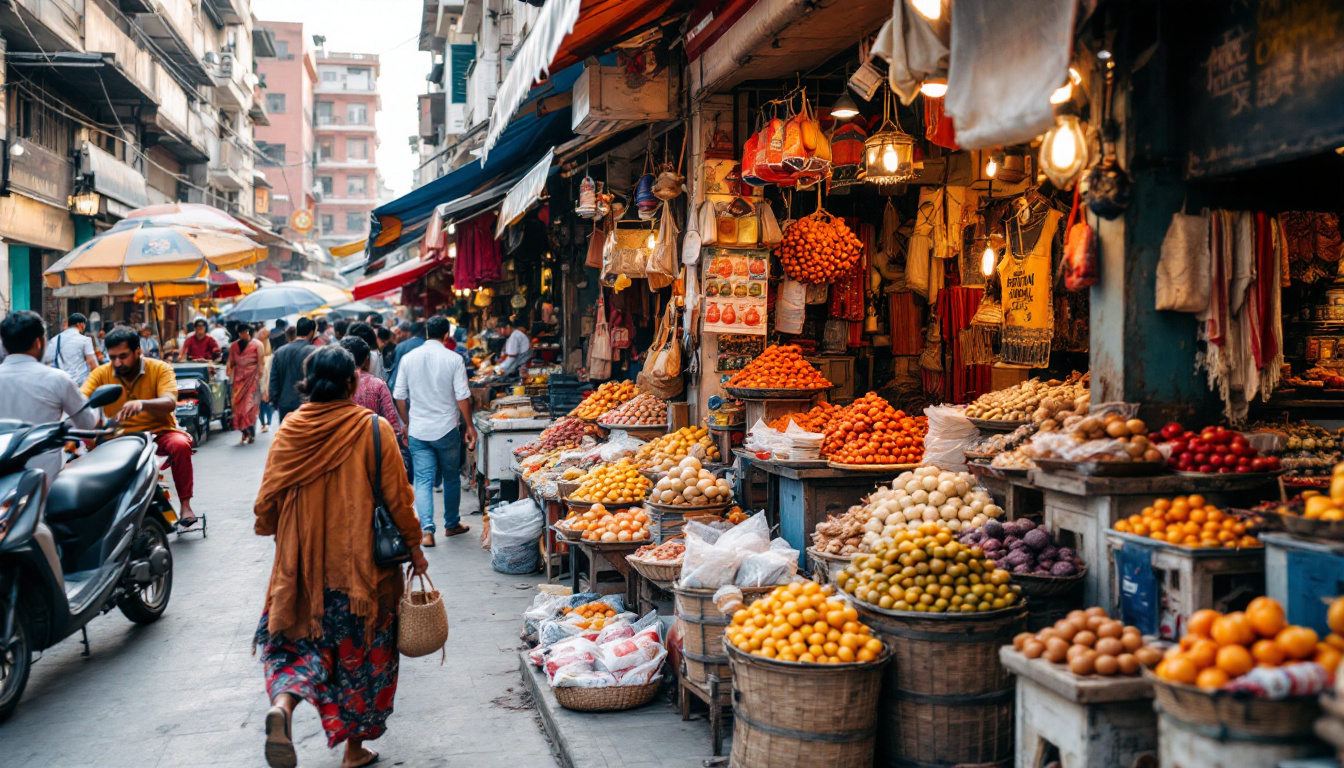
Northern India: Seasonal Cost Differences
Northern India is a popular destination with a wide range of travel costs. Cities like Delhi and Agra, while having peak seasons in winter, can also offer deals during the summer and monsoon months. Booking in advance helps a lot!
Famous sites like the Taj Mahal can be visited during the off-peak months when rates for accommodations drop significantly. Additionally, exploring the lesser-known gems in the region, such as the historical city of Jaipur or the serene landscapes of Rishikesh, can provide travelers with unique experiences without breaking the bank. Many local guesthouses and boutique hotels offer competitive rates, especially if you book directly through their websites, which can often lead to additional discounts or perks.
Southern India: Budget Travel by Season
The southern states of India boast stunning beaches and rich cultural experiences. The cost of traveling in states like Kerala and Tamil Nadu is generally lower compared to the north, especially during the monsoon season when fewer tourists visit.
Look into homestays that can offer personalized experiences at affordable prices, making your trip even more budget-friendly! In addition, many regions in Southern India, like the backwaters of Alleppey or the hill stations of Ooty, provide opportunities for eco-tourism and adventure activities at reasonable rates. Engaging in local cooking classes or guided nature walks not only enriches your travel experience but also supports the local economy, allowing you to immerse yourself in the vibrant culture without overspending.
East and West India: Comparing Costs
In the east, states like West Bengal offer diverse culinary experiences and historical sites that rarely cost a fortune. Meanwhile, the western states such as Gujarat or Maharashtra can fluctuate in pricing during festivals like Ganesh Chaturthi.
Make sure to research regional celebrations, as these can often boost accommodation fees. Consider timing your visit around lesser-known festivals to enjoy full-fledged cultural immersion at a lower cost. For example, visiting Gujarat during the Kite Festival can provide a colorful and lively experience, while also allowing you to find budget-friendly lodging options in smaller towns. Furthermore, exploring the local markets and street food scenes in cities like Kolkata or Mumbai can offer delicious culinary adventures that are easy on the wallet, making your journey through these diverse regions both memorable and economical.
Seasonal Festivals and Their Impact on Budget
India is known for its vibrant festivals, but they can also affect travel budgets significantly. Planning around them is essential.
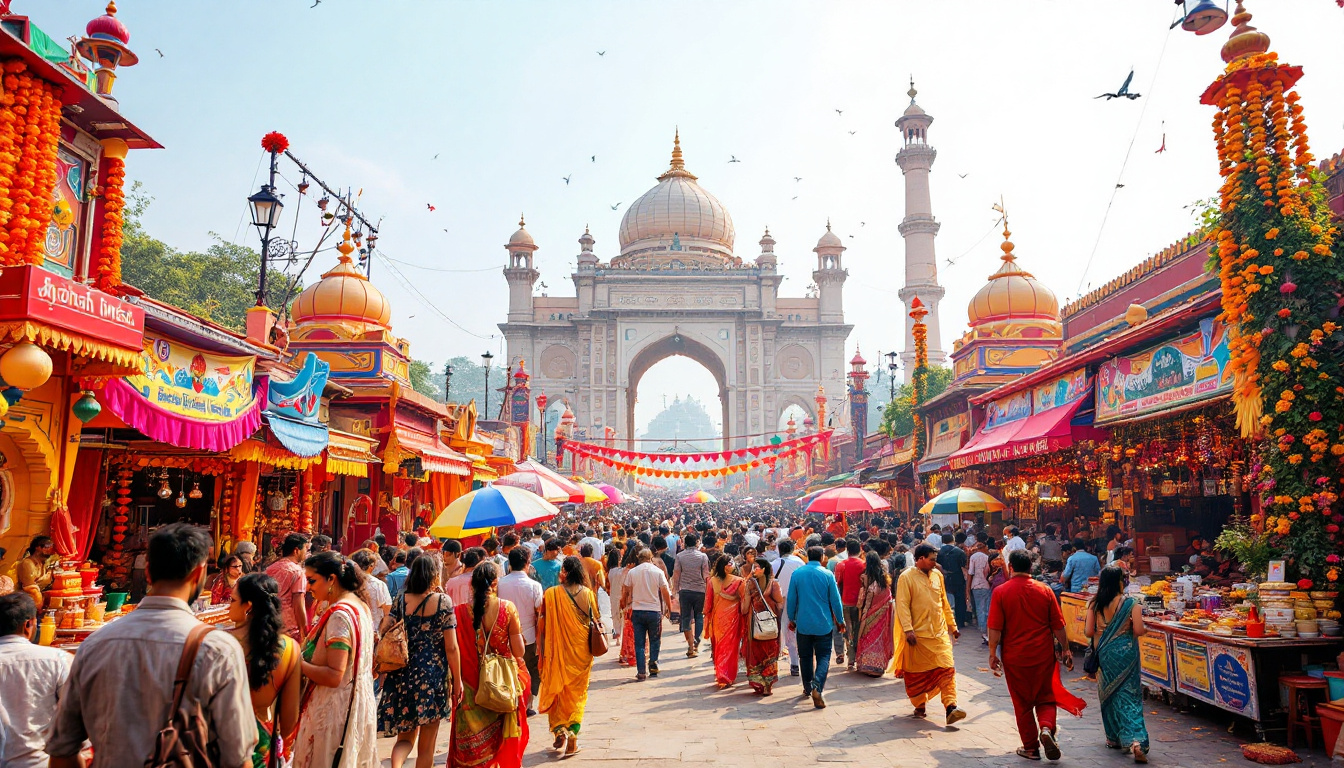
Diwali: Budgeting for the Festival of Lights
Diwali, the festival of lights, usually falls between October and November. Although it creates a magical atmosphere, traveling during this time can be expensive due to high demand for accommodations and transportation.
To mitigate costs, consider celebrating Diwali in less touristy areas where locals celebrate authentically. You might also find more affordable lodging options.
Holi: The Cost of the Festival of Colors
Holi, which usually occurs in March, is another significant festival that can raise travel costs. Prices often inflate for hotel bookings, and many areas become highly crowded.
Traveling during Holi can still be budget-friendly if you book in advance and seek accommodations further outside of major tourist locations.
Navaratri: Planning for Nine Nights of Celebration
Navaratri, a festival spanning nine nights, offers unique cultural experiences but can impact your travel budget. The best way to handle this is to plan your visit around less populous areas where you can experience festivities without incurring high costs.
Participating in local celebrations can also often be free or cost-effective, giving you enriching experiences without hurting your wallet.
In conclusion, while India has its peak and off-peak travel seasons, with some savvy planning, you can navigate your visit on a budget throughout the year. Each season brings its advantages and charm, making India a fascinating destination no matter when you choose to visit!
Ready to embark on an unforgettable Indian adventure without the stress of planning and booking? Look no further than Travel2Borders! Our expert team is dedicated to crafting custom itineraries that align perfectly with your budget and travel desires. From securing the best rates on hotels and flights to ensuring a seamless travel experience, we handle it all. All you need to do is pack your bags and board the plane. Don’t let the daunting task of travel planning hold you back; book your next trip with us and discover the vibrant seasons of India with ease and affordability.