
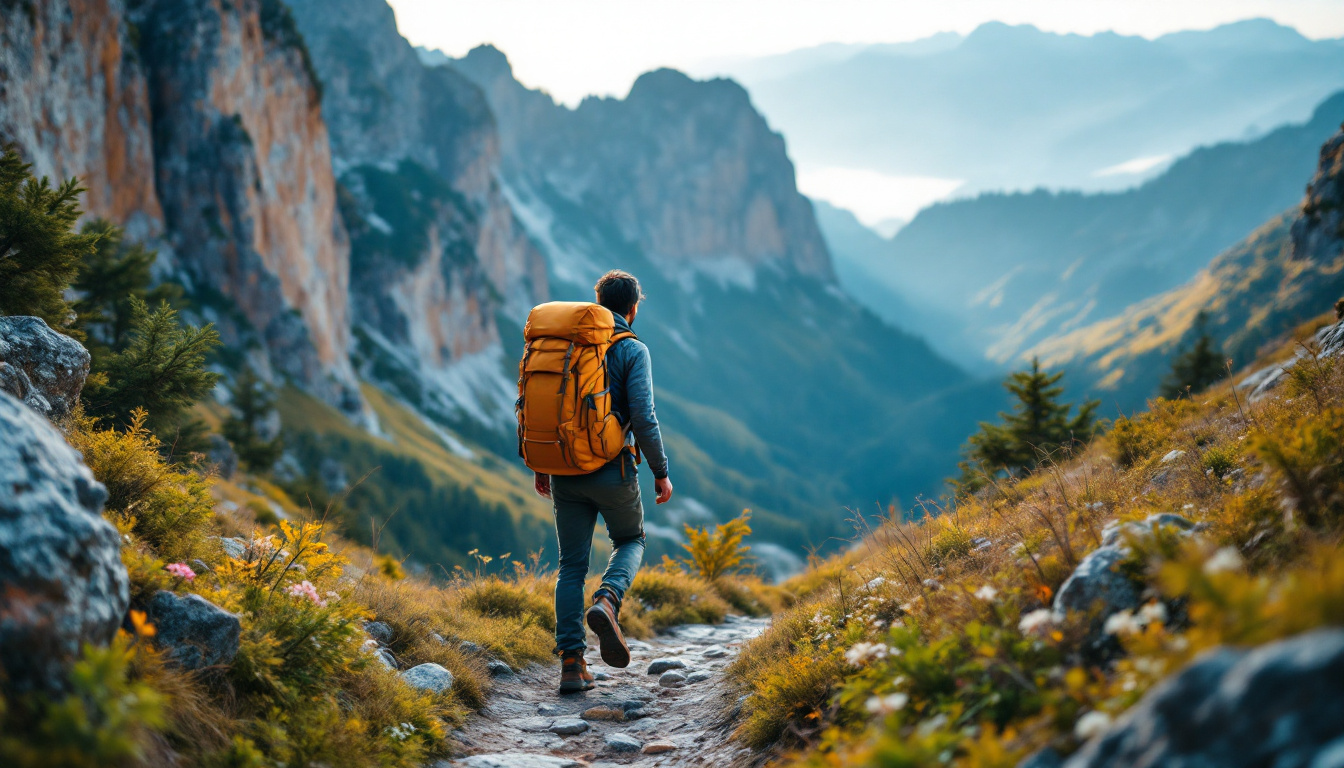
Backpacking is a form of low-cost, independent travel that allows individuals to explore the world on a budget. It’s a popular choice for those who crave adventure and enjoy immersing themselves in different cultures. This glossary article will delve into the ins and outs of backpacking, providing a comprehensive understanding of this unique form of travel.
Whether you’re a seasoned traveler or a novice looking to embark on your first backpacking journey, this glossary will serve as a handy guide. We’ll cover everything from the basics of backpacking to the intricacies of planning a trip, ensuring you’re well-prepared for your next adventure.
What is Backpacking?
Backpacking is a type of travel that involves carrying all your belongings in a backpack and traveling to various destinations, typically on a tight budget. It’s a form of travel that emphasizes personal growth, adventure, and the exploration of different cultures and landscapes.
Backpacking can take many forms, from urban backpacking through bustling cities to wilderness backpacking in remote locations. Regardless of the setting, the core principles of backpacking remain the same: to travel light, to travel cheaply, and to immerse oneself in the local culture.
History of Backpacking
The concept of backpacking as a form of travel has its roots in the counterculture movement of the 1960s and 1970s. During this time, young people from Western countries began traveling to Asia and other parts of the world, seeking spiritual enlightenment and an escape from the consumerist culture of the West.
Over time, backpacking has evolved and become more mainstream, with millions of people around the world choosing to travel this way each year. Despite these changes, the spirit of backpacking remains the same: it’s about experiencing the world on your own terms, without the constraints of traditional tourism.
Types of Backpacking
There are several different types of backpacking, each offering a unique travel experience. Urban backpacking involves traveling through cities and towns, staying in hostels, and exploring local attractions. Wilderness backpacking, on the other hand, involves hiking and camping in remote locations, often for several days or weeks at a time.
Gap year backpacking is another popular form of this travel style, where individuals take a year off (usually after high school or university) to travel the world. Lastly, flashpacking is a more luxurious form of backpacking, where travelers maintain a low-cost approach but splurge on certain aspects like accommodation or dining.
Planning a Backpacking Trip
Planning a backpacking trip involves several key steps, from deciding on a destination to packing your backpack. It’s crucial to do thorough research beforehand to ensure you’re prepared for the journey ahead.
One of the first steps in planning a backpacking trip is deciding where you want to go. This will depend on your interests, budget, and the amount of time you have available. Once you’ve chosen a destination, you’ll need to research visa requirements, vaccinations, and local customs and laws.
Creating a Budget
Creating a budget is an essential part of planning a backpacking trip. This will help you determine how much you can afford to spend on accommodation, food, transportation, and activities. Remember to factor in unexpected expenses and always have a contingency fund for emergencies.
When creating your budget, consider the cost of living in your chosen destination. Some countries are much cheaper to travel in than others, so this will significantly impact your daily budget. Additionally, consider the costs of travel insurance, flights, and any necessary gear or equipment.
Packing for a Backpacking Trip
Packing for a backpacking trip can be a challenge, as you’ll need to fit everything you need into a single backpack. The key is to pack light and only bring essentials. This typically includes clothing, toiletries, a first aid kit, and any necessary travel documents.
When packing your backpack, consider the climate and culture of your destination. You’ll need to pack appropriate clothing for the weather, and in some countries, you may need to dress modestly. Additionally, remember to pack a good-quality travel backpack that fits comfortably and can withstand the rigors of travel.
Backpacking Gear
Having the right gear can make or break your backpacking trip. From a durable backpack to a reliable pair of shoes, the gear you choose can greatly impact your comfort and safety while traveling.
When choosing a backpack, look for one that is comfortable to wear, has plenty of storage space, and is made from durable materials. Other essential gear includes a good pair of walking shoes, a lightweight sleeping bag, and a water purification system for wilderness backpacking.
Choosing a Backpack
Choosing the right backpack is crucial for a successful backpacking trip. The backpack should be comfortable to wear, even when fully loaded, and should have enough space for all your belongings. Look for a backpack with a good support system and adjustable straps to ensure a good fit.
When choosing a backpack, also consider its durability and weather resistance. A good backpack should be able to withstand the rigors of travel and protect your belongings from the elements. Additionally, look for a backpack with multiple compartments to help keep your belongings organized.
Essential Gear for Wilderness Backpacking
If you’re planning a wilderness backpacking trip, there are several pieces of gear that are essential. These include a tent or hammock, a sleeping bag and pad, a stove and cookware, and a water purification system. You’ll also need a map and compass or a GPS device for navigation.
When choosing gear for wilderness backpacking, consider the weight and packability of each item. You’ll be carrying everything on your back, so it’s important to choose lightweight, compact gear. Additionally, ensure that all your gear is durable and can withstand the conditions you’ll be facing.
Staying Safe While Backpacking
While backpacking can be an exciting and rewarding experience, it’s important to prioritize safety. This includes everything from securing your belongings to maintaining good health and safety practices while on the road.
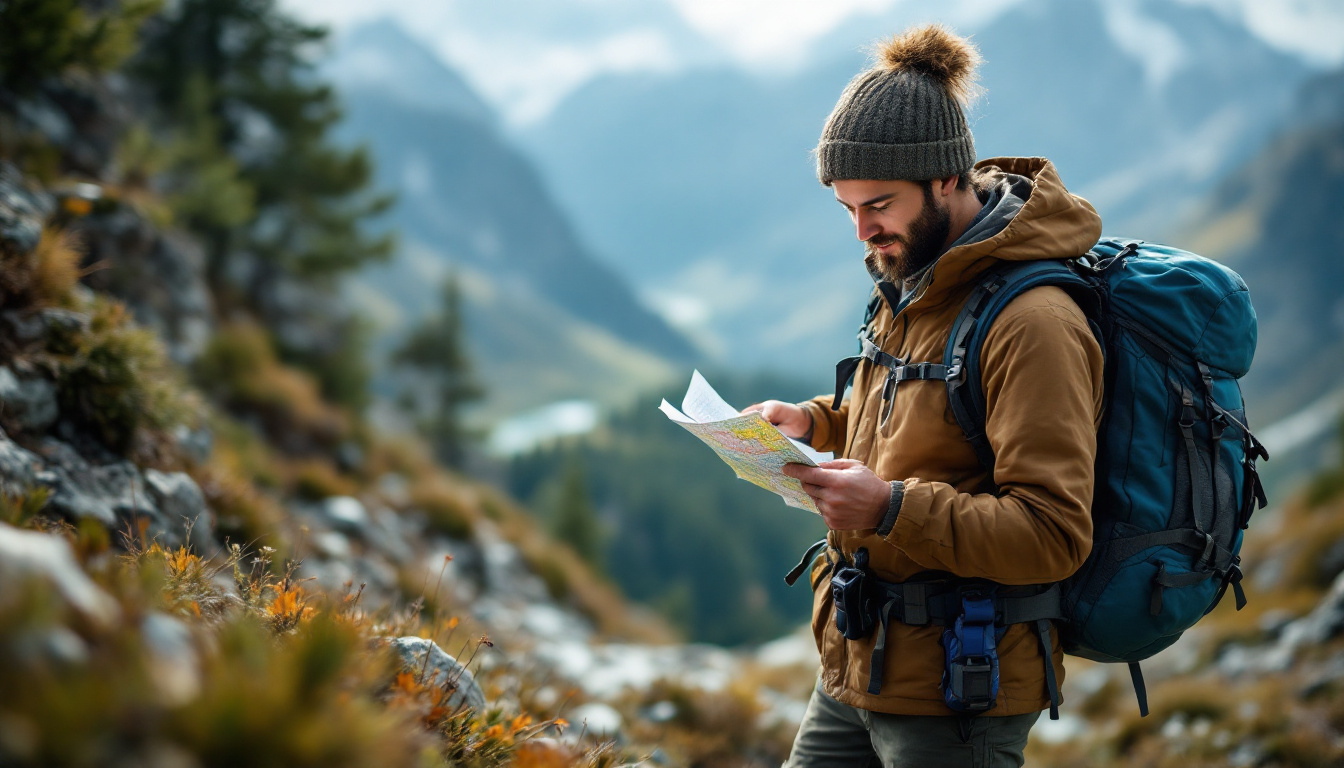
Before embarking on your trip, ensure you have adequate travel insurance that covers any potential medical expenses or trip cancellations. It’s also important to keep your belongings secure while traveling, especially in crowded areas where pickpocketing can be a problem.
Health and Safety Tips
Staying healthy while backpacking involves eating a balanced diet, staying hydrated, and getting enough rest. It’s also important to take precautions against common travel-related illnesses, such as traveler’s diarrhea and malaria, depending on your destination.
When it comes to safety, always be aware of your surroundings and trust your instincts. Avoid walking alone at night in unfamiliar areas and always let someone know your plans. Additionally, it’s important to respect local customs and laws to avoid any potential issues.
Dealing with Emergencies
Despite careful planning, emergencies can happen while backpacking. It’s important to be prepared and know how to handle these situations. This includes knowing basic first aid, having emergency contact numbers on hand, and knowing how to ask for help in the local language.
If you find yourself in an emergency situation, stay calm and seek help immediately. Contact your embassy or consulate if necessary, and always have a backup plan in case your original plans fall through.
Responsible Backpacking
Responsible backpacking involves respecting the environment and the local communities you visit. This includes following Leave No Trace principles, supporting local businesses, and being respectful of local customs and traditions.
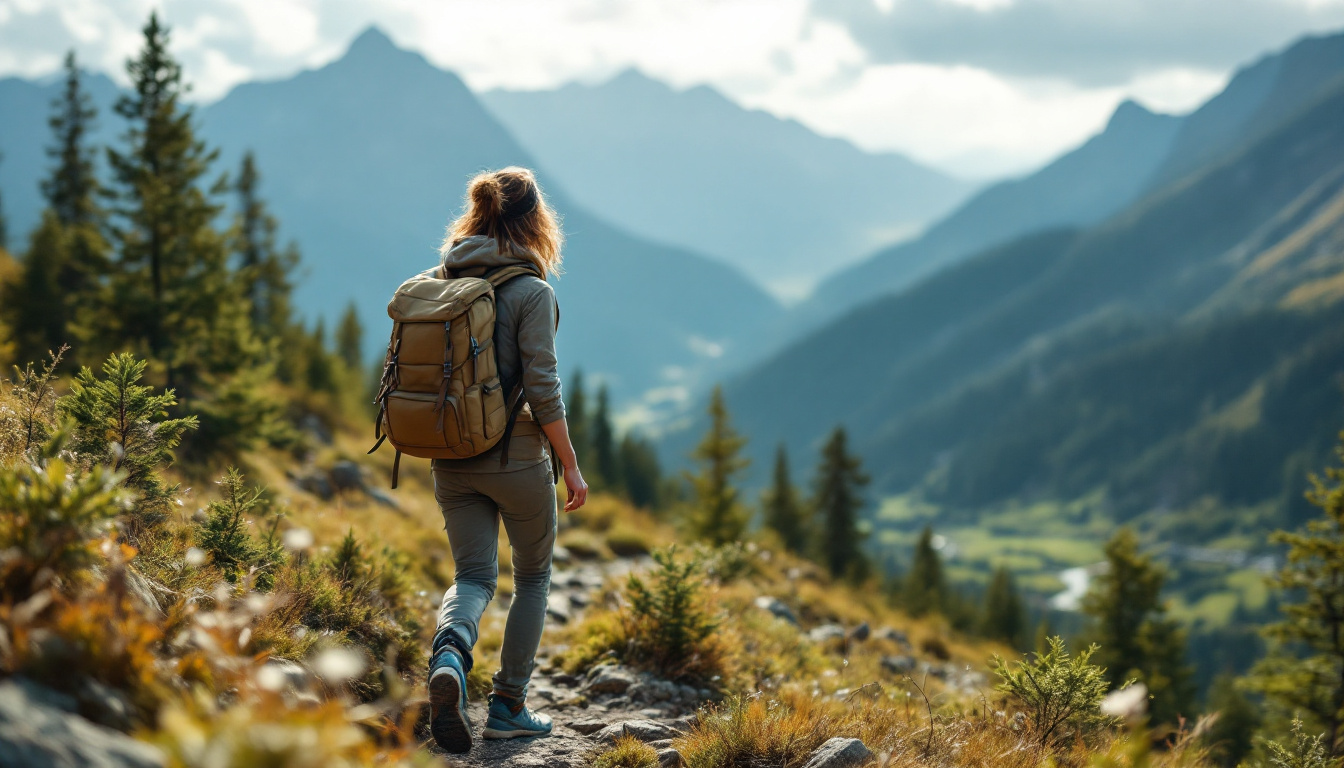
When backpacking, always remember that you are a guest in someone else’s home. Be respectful, keep an open mind, and always strive to leave a place better than you found it.
Leave No Trace Principles
The Leave No Trace principles are a set of guidelines that encourage outdoor enthusiasts to minimize their impact on the environment. These principles include planning ahead and preparing, traveling and camping on durable surfaces, disposing of waste properly, leaving what you find, minimizing campfire impact, respecting wildlife, and being considerate of other visitors.
By following these principles, you can ensure that you’re doing your part to preserve the natural beauty of the places you visit for future generations.
Supporting Local Communities
Supporting local communities is a key aspect of responsible backpacking. This can be done by staying in locally-owned accommodations, eating at local restaurants, and buying goods and services from local businesses. By doing so, you’re contributing to the local economy and helping to support the communities you visit.
Additionally, always be respectful of local customs and traditions. This includes dressing appropriately, following local etiquette, and asking for permission before taking photos of people or sacred sites.
Conclusion
Backpacking is a unique form of travel that offers countless opportunities for adventure and personal growth. Whether you’re exploring bustling cities or remote wilderness areas, backpacking allows you to experience the world in a way that traditional tourism can’t match.
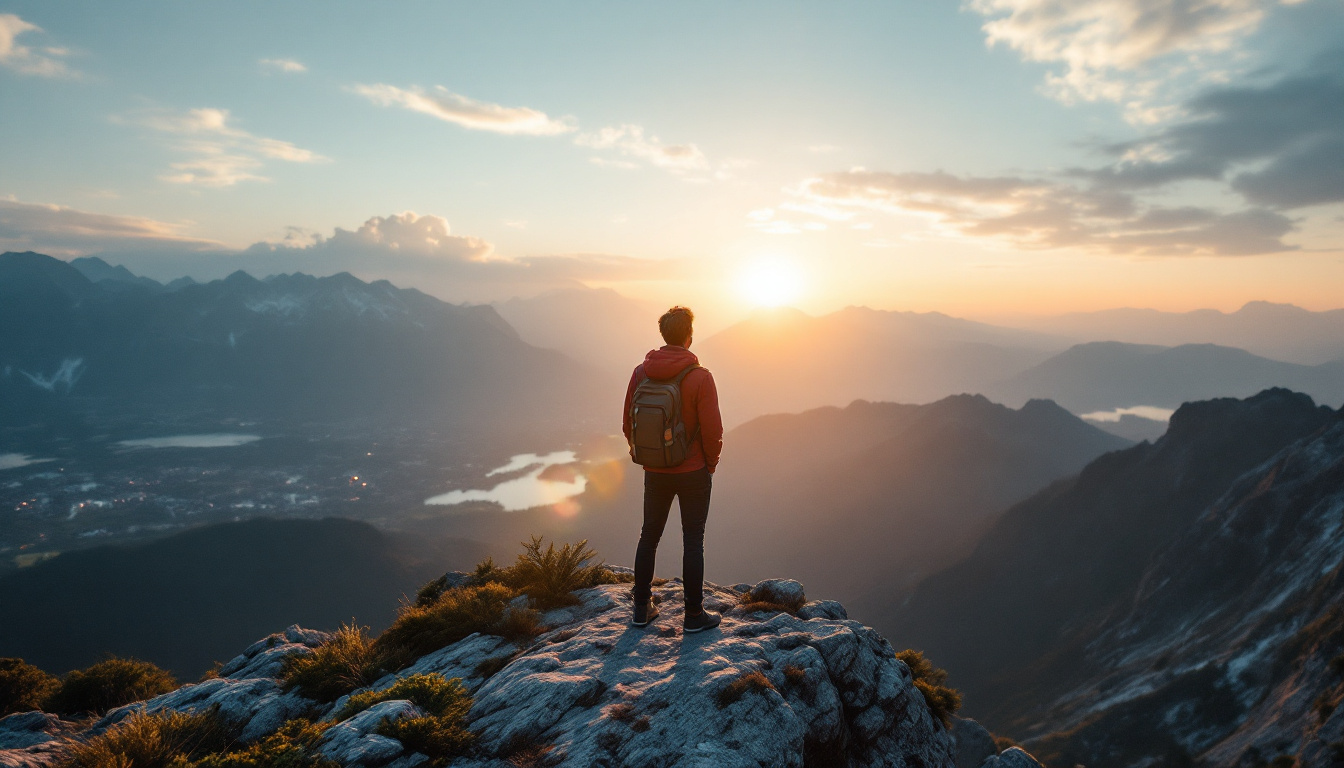
With careful planning, the right gear, and a commitment to responsible travel, you can embark on a backpacking journey that will create memories to last a lifetime. Happy travels!
Ready to turn your backpacking dreams into reality? Let Travel2Borders craft the perfect itinerary for your next adventure. Our expertise in securing better hotel and flight rates means you save money without sacrificing the thrill of discovery. With us, all you need to do is pack your bags and head to the airport. Book your next trip with Travel2Borders and embark on a seamless journey tailored just for you. Adventure awaits!