
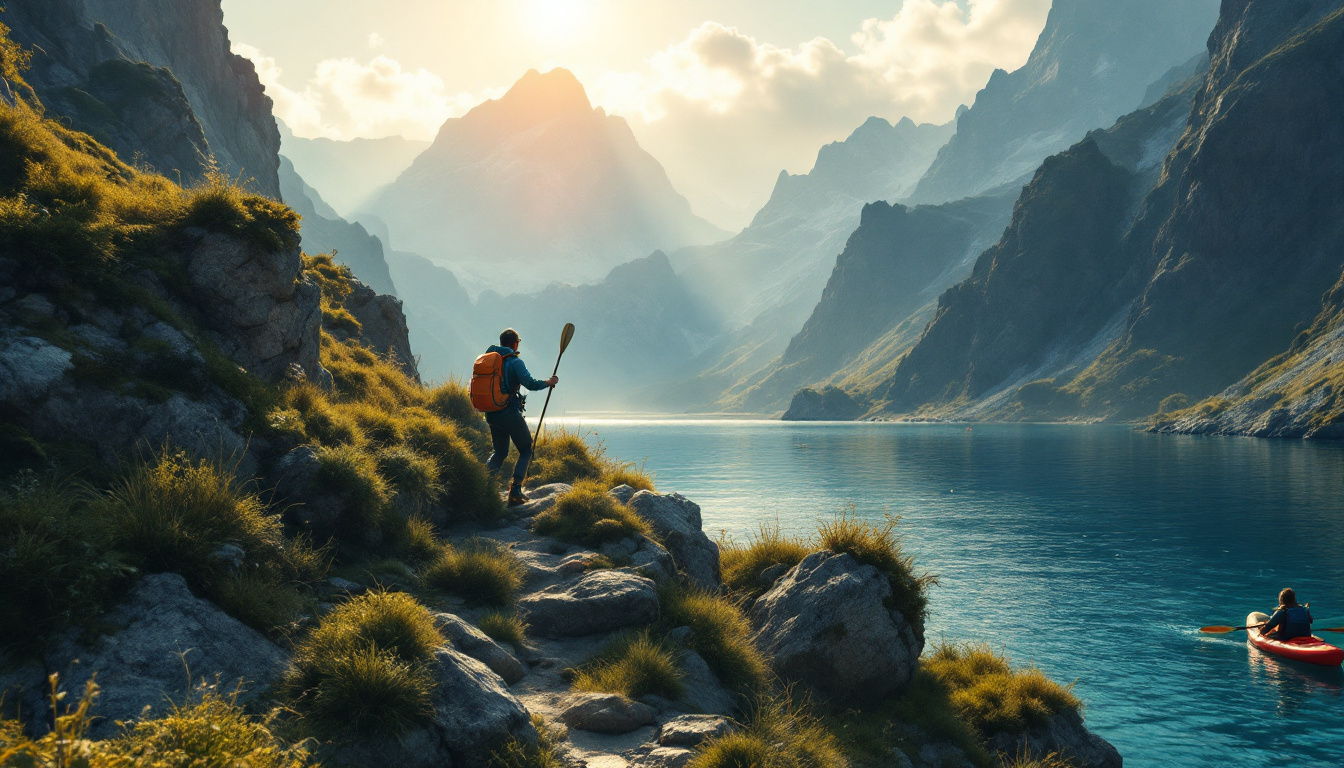
Adventure travel is a unique form of travel that encourages individuals to step out of their comfort zones and experience the world in a new, exciting way. It’s all about immersing oneself in nature, culture, and adventure, often involving physical activities, cultural exchange, or interaction with nature.
Adventure travel can take many forms, from hiking and camping in the wilderness to exploring ancient ruins and cultures. It’s about seeking out experiences that challenge you, teach you something new, and provide a sense of accomplishment. It’s not just about the destination, but also about the journey and the experiences along the way.
Types of Adventure Travel
There are many different types of adventure travel, each offering a unique experience. Some people might prefer a physically challenging adventure, such as mountaineering or white-water rafting, while others might be more interested in cultural exploration, such as visiting ancient ruins or participating in local traditions.
Regardless of the type of adventure travel, the common thread is the desire to experience something new and exciting, to push one’s limits, and to learn more about the world and oneself. Let’s delve into some of the most popular types of adventure travel.
Outdoor Adventures
Outdoor adventures are perhaps the most common type of adventure travel. These can include activities like hiking, camping, mountain biking, rock climbing, and more. The goal is to get out into nature and experience the beauty and challenge of the natural world.
Outdoor adventures can take place in a variety of settings, from the mountains to the desert to the ocean. They can be as simple as a day hike in a local park or as complex as a multi-day backpacking trip in a remote wilderness area. Regardless of the specific activity or location, the key is to be active and engaged with the natural world.
Cultural Adventures
Cultural adventures are another popular type of adventure travel. These involve immersing oneself in a different culture, learning about its history, traditions, and way of life. This can include activities like visiting historical sites, participating in local festivals, or even living with a local family.
Cultural adventures provide a unique opportunity to learn about a different way of life and to see the world from a different perspective. They can be a powerful way to broaden one’s horizons and develop a deeper understanding of the world.
Benefits of Adventure Travel
Adventure travel offers a wide range of benefits, both physical and mental. It’s a great way to stay active and healthy, to challenge oneself, and to experience new things. But the benefits of adventure travel go beyond just the physical and the immediate.
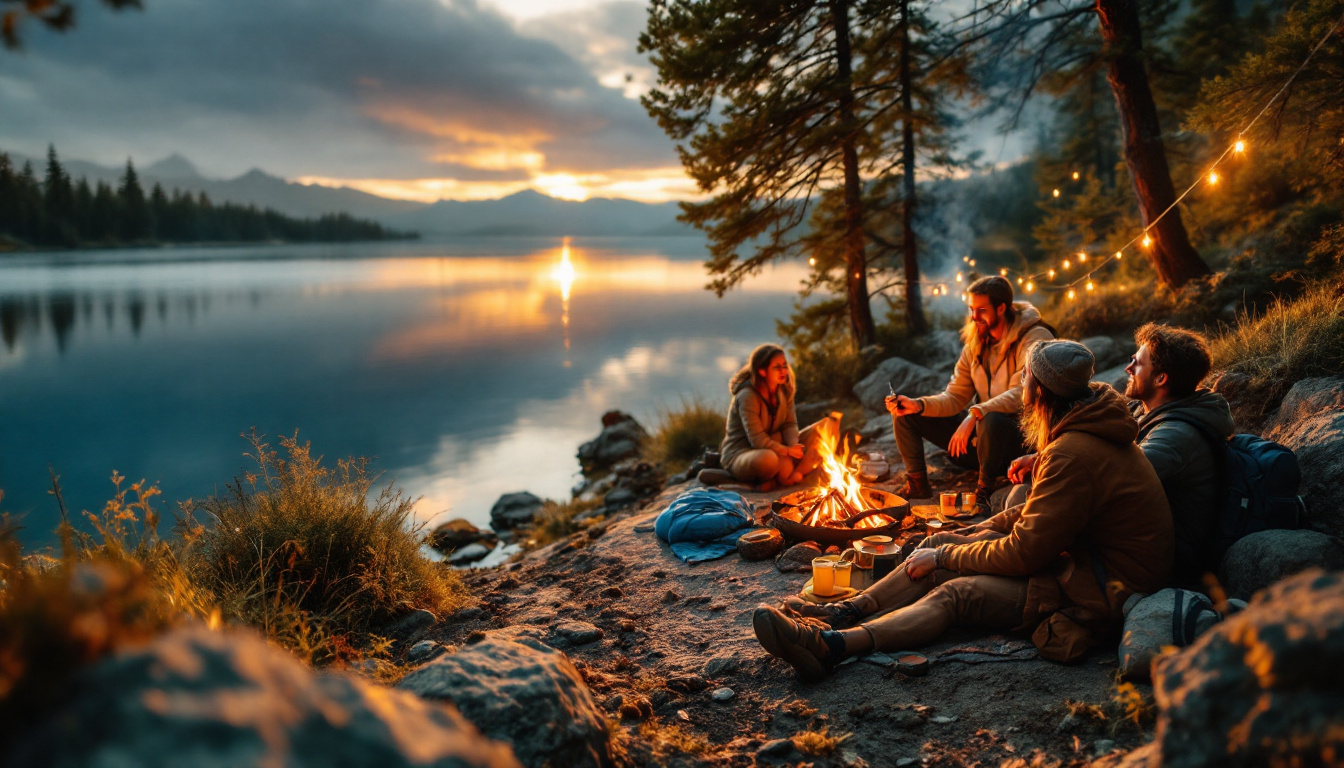
Adventure travel can also have profound effects on one’s mental and emotional well-being. It can help to reduce stress, boost self-esteem, and promote a sense of accomplishment. It can also foster personal growth and development, helping individuals to become more resilient, adaptable, and confident.
Physical Benefits
One of the most obvious benefits of adventure travel is the physical activity involved. Whether it’s hiking, biking, rafting, or any other outdoor activity, adventure travel often involves a good deal of physical exertion. This can help to improve cardiovascular health, build strength and endurance, and promote overall fitness.
But the physical benefits of adventure travel go beyond just fitness. Being active in the outdoors can also help to improve balance and coordination, boost energy levels, and promote better sleep. Plus, spending time in nature has been shown to have a range of health benefits, from reducing blood pressure to boosting immune function.
Mental Benefits
Adventure travel can also have significant mental and emotional benefits. The challenges and experiences encountered during adventure travel can help to boost self-esteem, promote a sense of accomplishment, and foster resilience. Overcoming obstacles and achieving goals can provide a powerful boost to one’s confidence and self-belief.
Furthermore, adventure travel can also help to reduce stress and promote mental well-being. Being in nature, away from the stresses and distractions of everyday life, can have a calming and restorative effect. Plus, the sense of adventure and excitement can help to boost mood and promote a positive outlook.
Planning for Adventure Travel
Planning for adventure travel can be a complex process, but it’s also an exciting part of the adventure. It involves researching destinations, choosing activities, arranging logistics, and preparing for potential challenges. The goal is to create a travel plan that is both exciting and realistic, and that will provide the best possible experience.
When planning for adventure travel, it’s important to consider a range of factors, including one’s physical abilities and interests, the local climate and conditions, and any potential risks or challenges. It’s also important to plan for contingencies and to be prepared for unexpected situations.
Choosing a Destination
Choosing a destination for adventure travel can be a fun and exciting process. It involves researching different locations, considering what activities and experiences they offer, and deciding which ones are most appealing. This can involve a good deal of research, but it’s also a chance to dream and to get excited about the upcoming adventure.
When choosing a destination, it’s important to consider a range of factors. These can include the local climate and conditions, the availability of activities and experiences, the local culture and customs, and any potential risks or challenges. It’s also important to consider one’s own interests and abilities, and to choose a destination that is a good fit.
Preparing for the Trip
Once a destination has been chosen, the next step is to prepare for the trip. This involves arranging logistics, packing appropriate gear, and preparing for potential challenges. The goal is to be as prepared as possible, to ensure a smooth and enjoyable adventure.
Preparation can include a range of tasks, from booking flights and accommodation, to researching local customs and regulations, to packing appropriate clothing and equipment. It’s also important to prepare for potential challenges, such as changes in weather or unexpected events. This can involve researching potential risks, developing contingency plans, and ensuring that one has the necessary skills and knowledge to handle any challenges that may arise.
Adventure Travel Safety
While adventure travel can be exciting and rewarding, it’s also important to consider safety. Adventure activities often involve a certain level of risk, and it’s important to be prepared and to take appropriate precautions. This includes understanding the risks, having the necessary skills and knowledge, and using appropriate safety equipment.
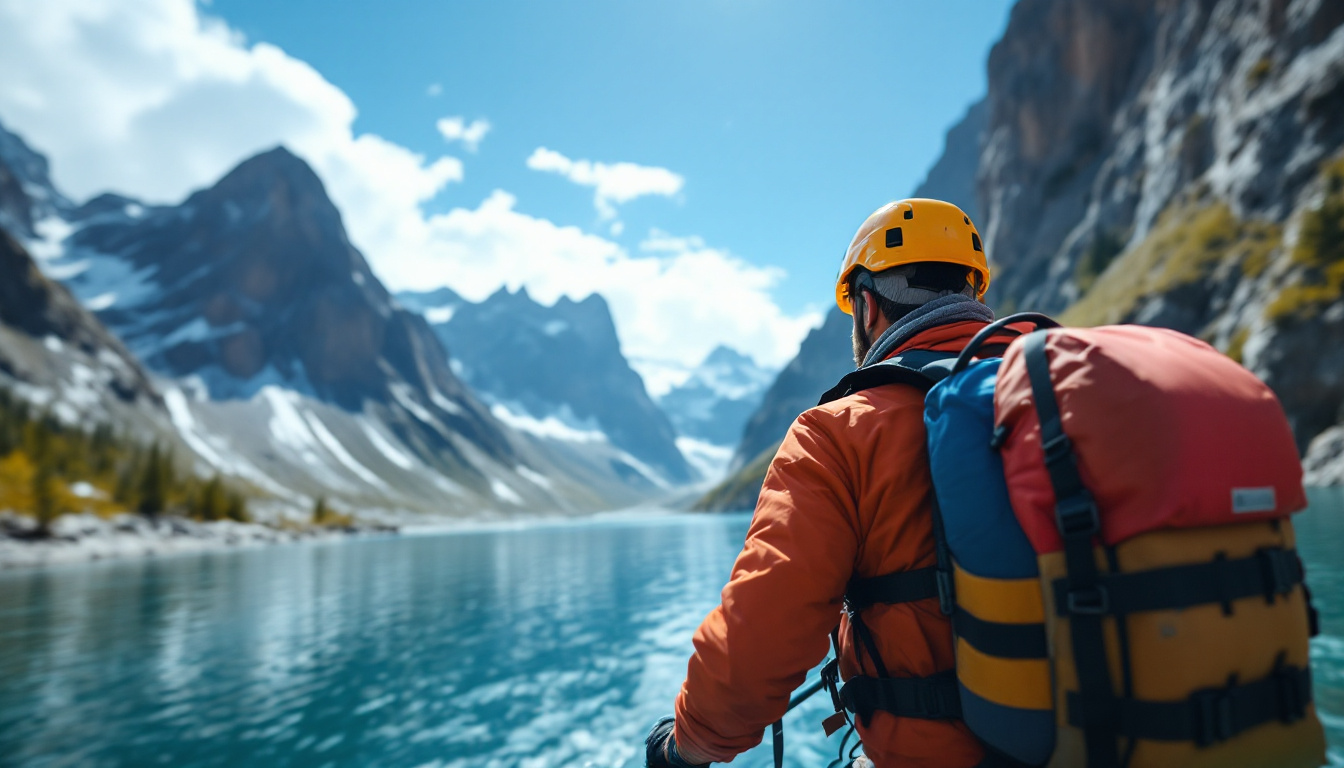
Safety should always be a top priority when planning and undertaking adventure travel. It’s important to respect the environment and the local culture, to be aware of one’s own abilities and limitations, and to make responsible decisions. With the right preparation and precautions, adventure travel can be a safe and rewarding experience.
Understanding the Risks
One of the first steps in ensuring safety during adventure travel is understanding the risks. This involves researching the activities and destinations, understanding the potential hazards, and assessing one’s own abilities and limitations. It’s important to be realistic about what one can and cannot do, and to make decisions based on this understanding.
Understanding the risks also involves being aware of the local conditions and customs. This can include understanding the local weather patterns, knowing the local wildlife and plants, and being aware of any local laws or regulations. It’s also important to respect the local culture and to behave in a way that is respectful and responsible.
Using Safety Equipment
Another key aspect of safety during adventure travel is the use of appropriate safety equipment. This can include things like helmets, harnesses, life jackets, and other protective gear. The specific equipment will depend on the activity and the conditions, but the key is to always use the appropriate gear and to use it correctly.
Using safety equipment can greatly reduce the risk of injury during adventure activities. It’s important to always use the equipment as directed, to ensure that it is in good condition, and to replace it if it becomes worn or damaged. It’s also important to have the necessary skills and knowledge to use the equipment correctly, and to seek training or guidance if needed.
Adventure Travel Etiquette
Adventure travel is not just about having fun and pushing one’s limits, it’s also about respecting the environment and the local culture. This involves behaving in a way that is responsible and respectful, and that minimizes impact on the environment and the local community. Adventure travel etiquette is an important part of ensuring a positive and sustainable travel experience.
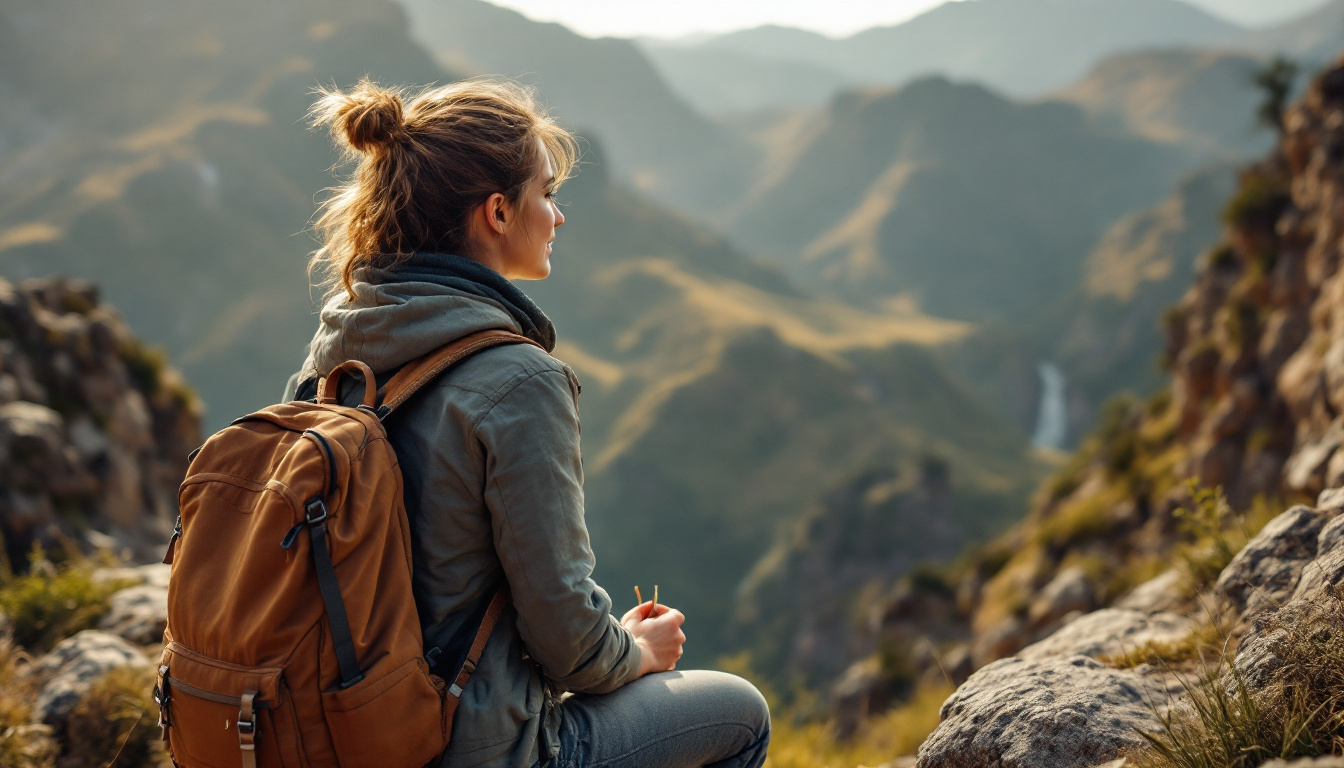
Adventure travel etiquette involves a range of behaviors, from respecting local customs and traditions, to minimizing waste and impact on the environment, to treating others with respect and kindness. The goal is to leave a positive impact on the places visited and the people encountered, and to ensure that the adventure travel experience is positive for everyone involved.
Respecting Local Culture
One of the key aspects of adventure travel etiquette is respecting the local culture. This involves understanding and respecting local customs and traditions, behaving in a way that is respectful and appropriate, and being mindful of one’s impact on the local community.
Respecting local culture can involve a range of behaviors, from dressing appropriately, to observing local customs, to learning a few words of the local language. It’s also important to be respectful of local beliefs and traditions, and to behave in a way that is respectful and considerate. This can help to foster a positive relationship with the local community, and to ensure a positive and respectful travel experience.
Minimizing Environmental Impact
Another key aspect of adventure travel etiquette is minimizing impact on the environment. This involves behaving in a way that is environmentally responsible, and that minimizes waste and impact on the natural environment. This can include things like practicing leave no trace principles, minimizing waste, and using sustainable travel practices.
Minimizing environmental impact is not just about protecting the environment, it’s also about ensuring a sustainable future for adventure travel. By behaving in a way that is environmentally responsible, adventure travelers can help to preserve the natural beauty and integrity of the places they visit, and to ensure that these places can be enjoyed by future generations.
Conclusion
Adventure travel is a unique and exciting form of travel that offers a wide range of benefits and experiences. Whether it’s hiking in the mountains, exploring ancient ruins, or immersing oneself in a different culture, adventure travel is all about experiencing the world in a new and exciting way.
With the right preparation, precautions, and respect for the environment and local culture, adventure travel can be a safe, rewarding, and unforgettable experience. So whether you’re a seasoned adventurer or a first-time explorer, consider adding some adventure to your next travel experience. You might just find that it’s the journey, not just the destination, that makes travel truly rewarding.
Ready to embark on an unforgettable adventure without the hassle of planning every detail? Travel2Borders is your gateway to a seamless journey. We specialize in crafting custom itineraries that align with your thirst for exploration and discovery. From securing the best rates on hotels and flights to taking care of all bookings and reservations, we ensure that all you need to do is pack your bags and set off on your adventure. Book your next trip with us and transform your travel dreams into reality. Adventure awaits, and with Travel2Borders, it’s just a plane ride away.